When to Call an Exterminator for Mice: Clear Signs and Costs

Call an exterminator when mice keep returning, appear in several rooms or hide in walls. Early help is usually cheaper than a long DIY cycle.
- Clear signs it is time
- Cases that need a pro quickly
- What a visit includes
- Costs and timing
- How to prepare
- After the visit
- A simple decision test
- Special situations that need faster action
- What to look for in a provider
- How to compare quotes
- How to prepare for the first visit
- What to expect after treatment
- Common mistakes that delay results
- Costs of acting late
Clear signs it is time
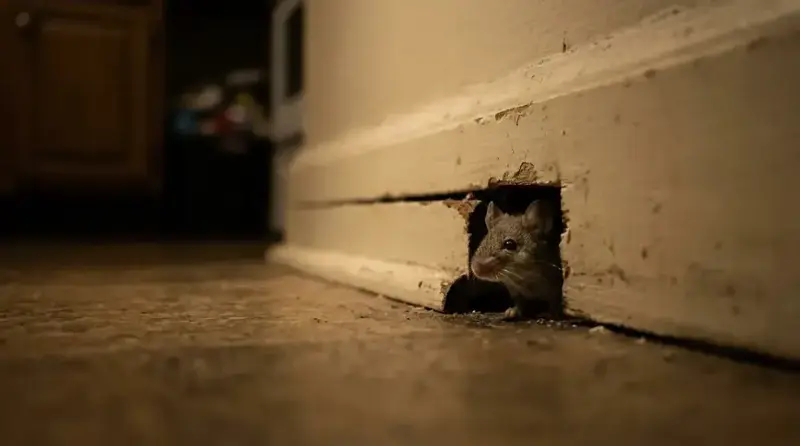
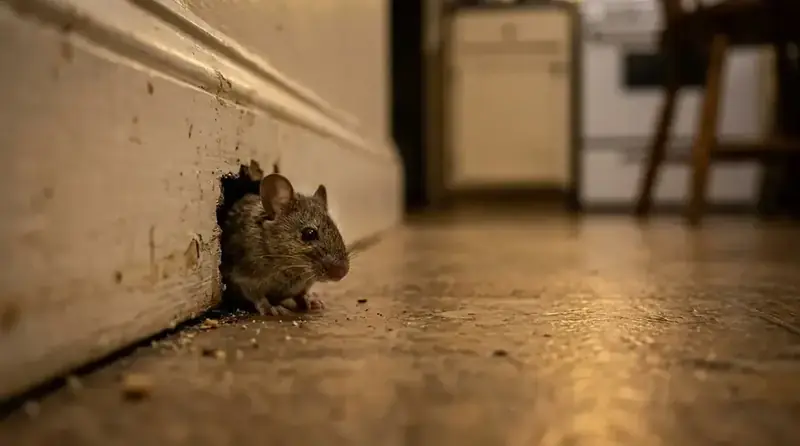
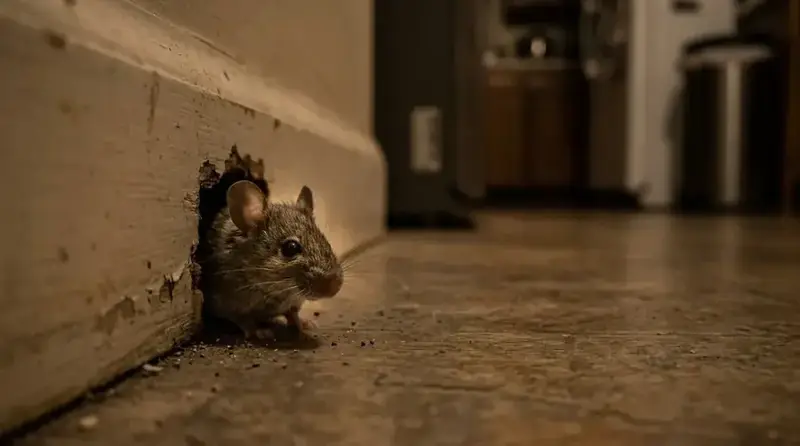
Mice in daylight, droppings in several rooms, nests, noises in walls on multiple nights, gnawed wires, and traps that keep catching new mice after two weeks. Also call if someone in the home has asthma, allergies or a weak immune system.
Cases that need a pro quickly
Restaurants and food businesses, rentals with inspection concerns, homes with infants or pregnant residents, and properties with shared walls where mice move between units.

What a visit includes
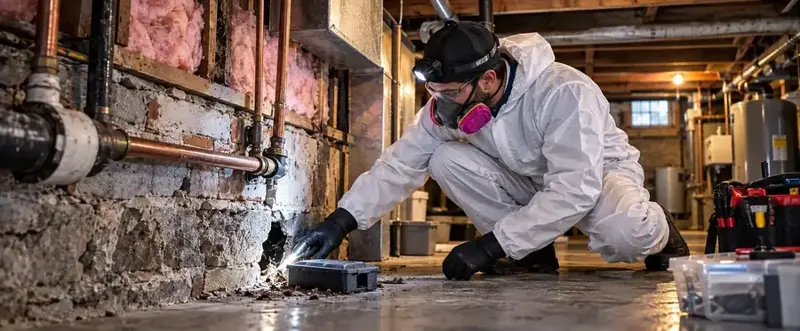
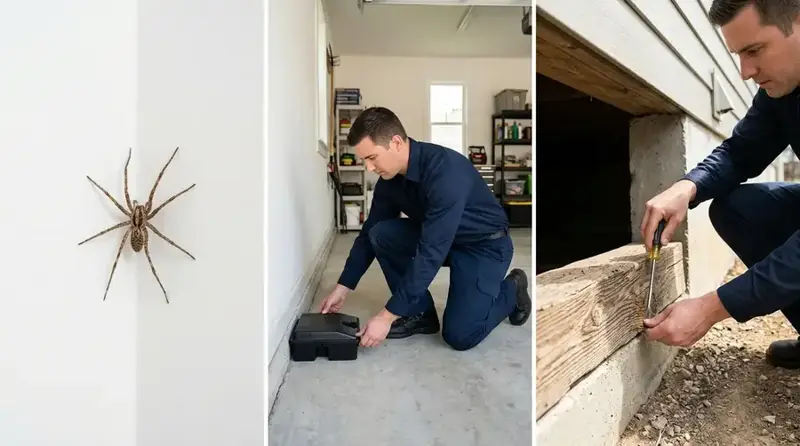
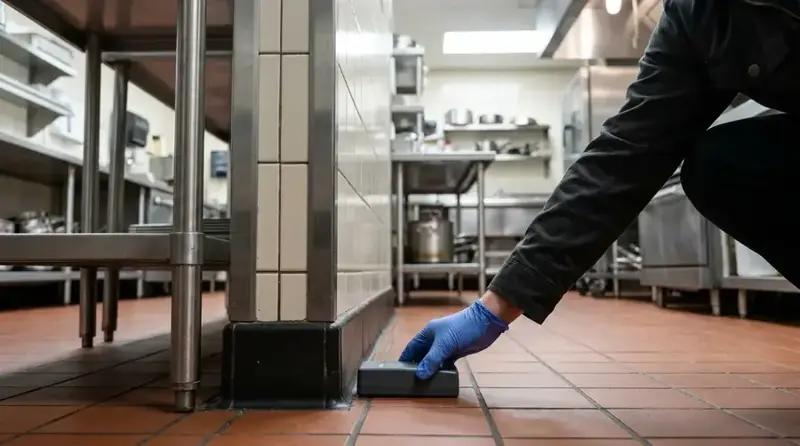
Inspection, a written quote, trapping, sealing, cleanup advice and a follow up. Ask how many visits are included and what is guaranteed.
Costs and timing
Costs depend on the property, the number of entry points and the number of visits. Many mouse jobs need two to three visits over several weeks. You receive a written quote after inspection.
How to prepare
Clear access to kitchens, basements and attics. Store food in containers. Note where you see activity. Take photos of droppings. Tell the technician about pets and children.
After the visit
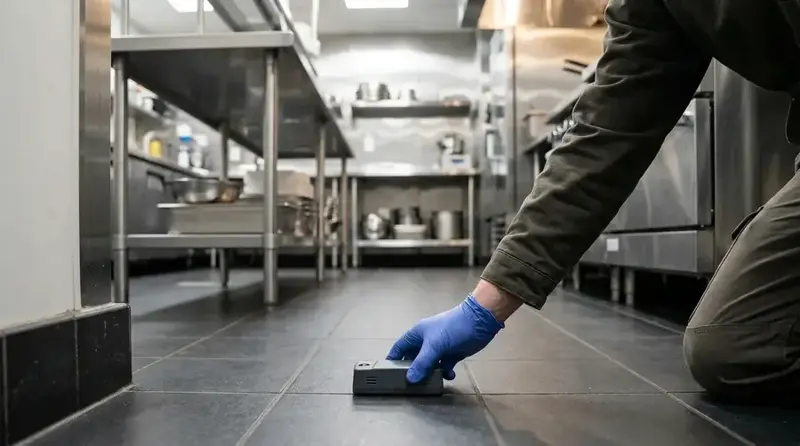
Keep traps in place until the technician says to remove them, store food well, and report new activity.
A simple decision test
Ask three questions. Have I seen or heard mice in more than one room or on more than one night? Have traps caught more than one mouse over two weeks? Have I found a nest, chewed wires or mice in daylight? If you answer yes to any, a professional visit is the efficient next step. If you answer no to all and you have seen one mouse once, try traps and sealing for two weeks. If new signs appear, call. This test avoids both overreacting to a single sighting and waiting too long on a growing problem.
Special situations that need faster action
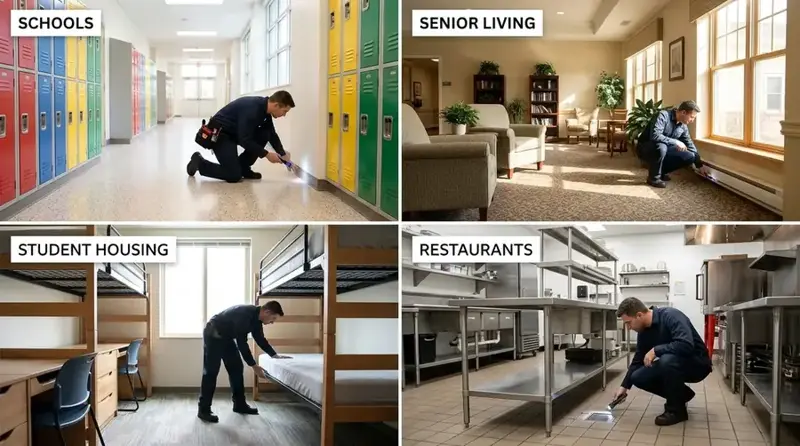
Some settings leave no room for delay. Restaurants, daycare centers, schools and healthcare facilities face health code issues and need documented service. Homes with infants, elderly residents or people with asthma and immune problems face greater health risks. Rentals face landlord and tenant obligations that require proof of treatment. Properties on the market need clean inspection results. In these cases, a documented professional program is the best choice.
What to look for in a provider
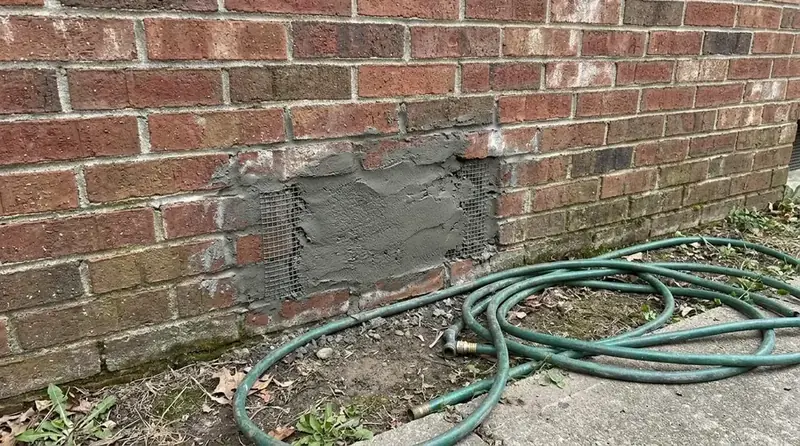
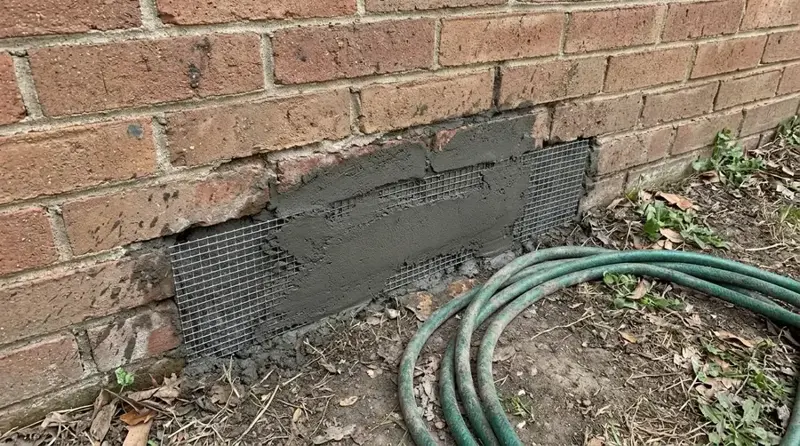
Look for a licensed and insured company, a clear inspection process and a written scope of work. Ask whether the provider seals entry points or only sets traps. Ask what materials they use, how many follow up visits are included and what is guaranteed. Be cautious about companies that offer only poison placement without exclusion. A good provider explains what they found, shows you the evidence and gives you a plan for prevention.
How to compare quotes
Compare what is included in each quote: inspection, trap placement, sealing, follow ups and a warranty period. A low quote for a single visit can cost more if the problem returns. Ask whether sealing is done by the technician or is an extra. Ask how many entry points they expect to seal. Ask about guarantee terms, such as whether they return at no charge if mice come back within a set period.
How to prepare for the first visit
Clear access to under sink cabinets, closets, basement and attic. Move stored boxes away from walls if possible. Put away open food and pet dishes. Make a short list of where you have seen droppings and heard noises. Note any gaps you know about. Tell the technician about pets, children and allergies. This preparation shortens the visit and improves the result.
What to expect after treatment
Within the first few days, you may see more activity as mice react to disturbance. Over one to three weeks, catches drop. Technicians return to check traps and verify that sealing holds. If activity continues after this period, they look for missed entry points. Keep food stored well and report any new signs. A well run program typically ends with a clear inspection and a prevention plan.
Common mistakes that delay results
Several habits slow down mouse control. Placing a single trap and waiting for a week leaves a family of mice in place. Setting traps in the open instead of against walls misses their natural path. Using too much bait lets mice eat it without triggering the trap. Leaving pet food out overnight gives mice a reason to stay. Sealing gaps before trapping can trap mice inside walls. Ignoring neighbors in shared buildings lets new mice move in. Correcting these habits often solves small problems, and a professional can correct them for larger ones.
Costs of acting late
Waiting leads to more mice, more damage and a longer program. Early inspection usually means fewer visits and lower cost overall.
Frequently Asked Questions
How many mice mean I need a pro?
If you catch more than two or three or see signs in several rooms.
Is DIY enough for one mouse?
Sometimes. If it keeps happening, call.
How long does professional control take?
Often two to four weeks.
What should I ask?
How they find entry points, what they seal with and how follow up works.