How to Get Rid of Roaches: Baits, Cleaning and Pros
Roaches are hard to remove without a plan. Sanitation, baits and sealing work together.
- Identify
- Sanitation
- Baits
- Moisture
- Sealing
- Professional help
- Why sprays make it worse
- Multi unit buildings
- Follow up
- Where roaches hide
- Allergies and health
- Cleaning routine that helps
- Monitoring
- Know your roach before you treat
- Sanitation that actually works
- Using gel baits correctly
- Sealing and moisture control
- When to hire a professional
- Identifying the roach species
- Bait, sanitation and moisture
- Follow up and prevention
- Apartment and shared wall roaches
- Cleaning that matters most
- Keeping notes that help
Identify
German roaches are small and tan, found in kitchens and baths. American roaches are large and found in basements and drains.
Sanitation
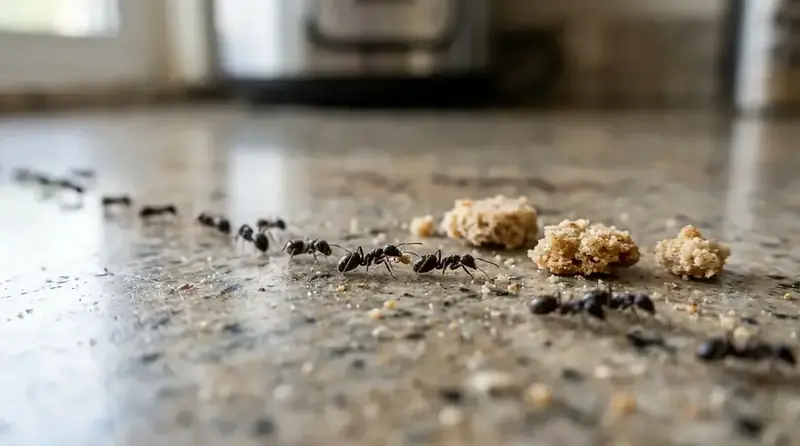
Clean grease, crumbs and spills. Store food in sealed containers.

Baits
Gel baits placed in cracks work well for German roaches. Avoid spraying over baits.
Moisture
Fix leaks and dry sinks at night.
Sealing
Close gaps around pipes and cabinets.
Professional help
Heavy cases need professional baits and monitoring.
Why sprays make it worse
Sprays can scatter roaches into new areas and make them avoid baits. Use baits and targeted products instead, and avoid spraying near them.
Multi unit buildings
Roaches travel through shared walls and pipes. A building wide approach works best. Coordinate with neighbors and your landlord.
Follow up
German roaches reproduce quickly. Inspect weekly and replace bait as needed for a few weeks to break the cycle.
Where roaches hide
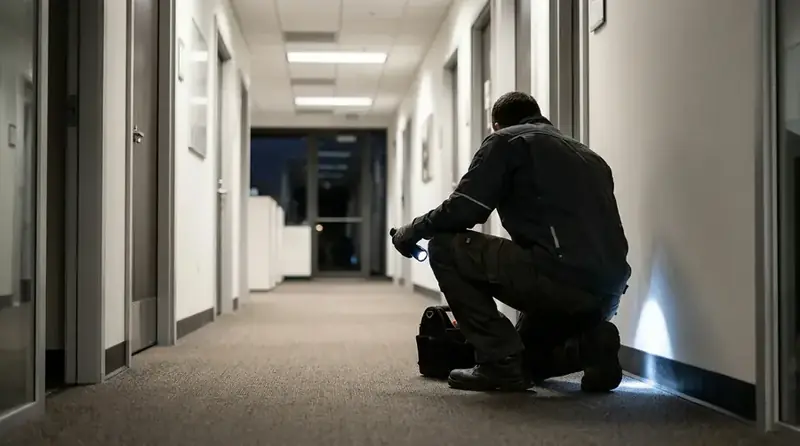
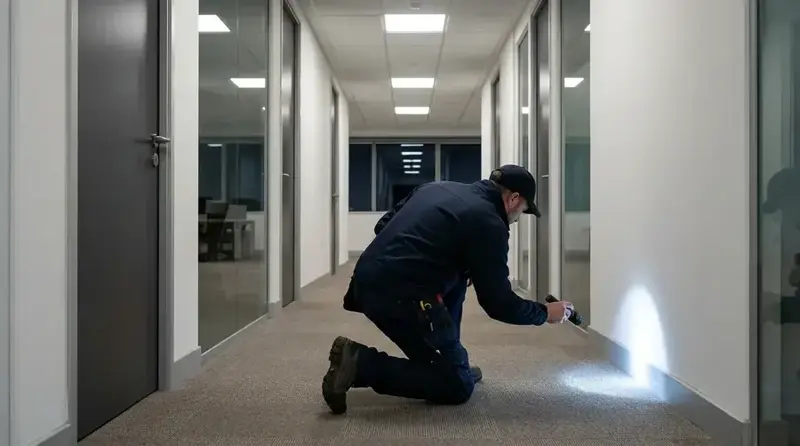
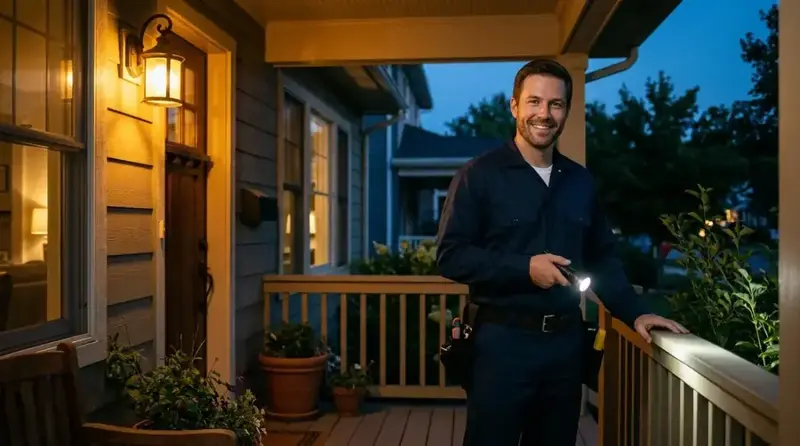
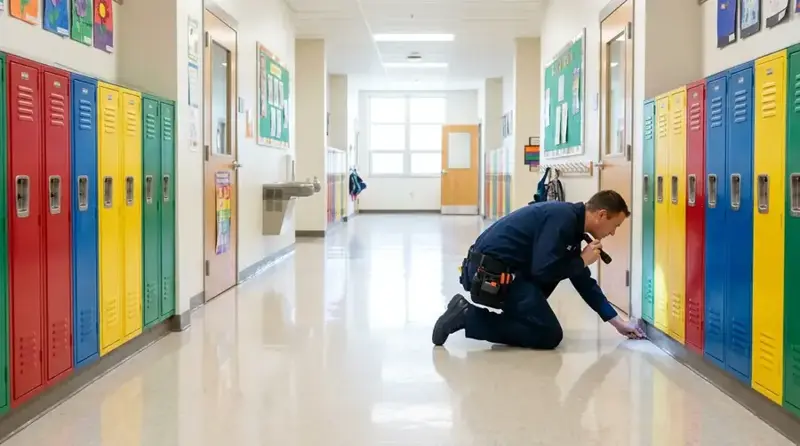
Behind refrigerators and stoves, inside cabinet hinges, under sinks, in appliance motors and along plumbing. Use a flashlight at night to check.
Allergies and health
Roach droppings and skin can trigger asthma, especially in children. Cleaning and removal reduce symptoms.
Cleaning routine that helps
Wipe counters nightly, take out trash, wash dishes before bed, clean grease behind the stove and keep pet food in sealed containers.
Monitoring
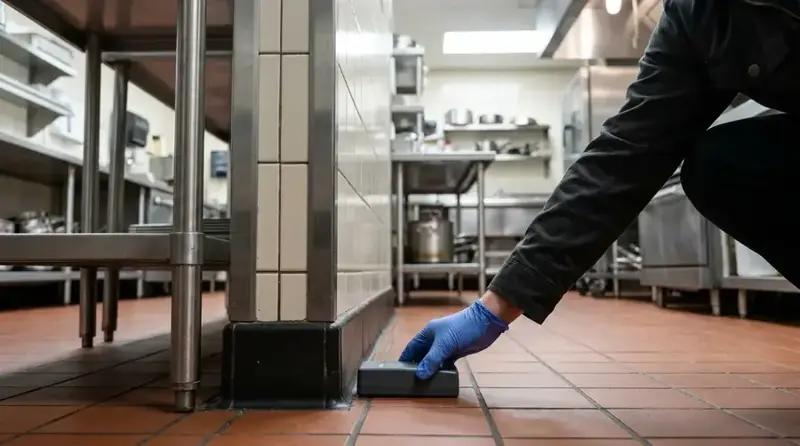
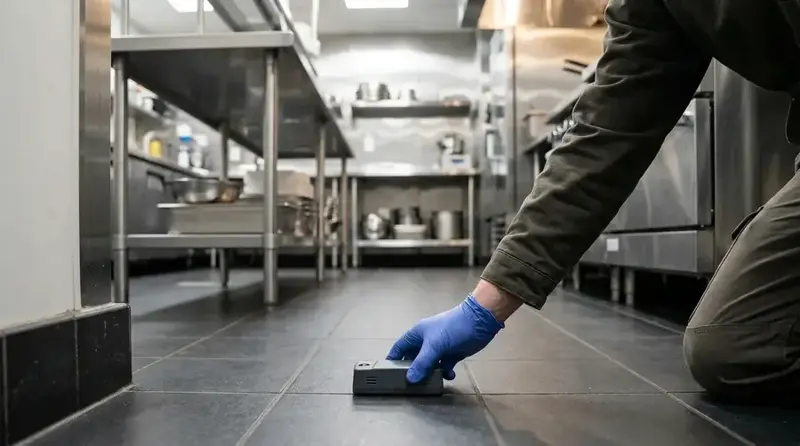
Sticky monitors show where roaches travel and help judge progress. Check them weekly.
Know your roach before you treat
German roaches are small, tan, and carry two dark stripes behind the head. They live indoors in kitchens and bathrooms, reproduce fast and are the most common cause of household infestations. American roaches are large, reddish brown, often found in basements, drains and boiler rooms, and enter from outside. Smokybrown and Oriental roaches occur in some regions. The species changes the plan: German roaches need baits and sanitation inside, American roaches need sealing and treatment of entry areas.
Sanitation that actually works
Roaches need food, water and shelter. Wipe grease from stovetops and backsplashes, clean crumbs from toasters and under appliances, take trash out nightly, rinse recyclables, and store pet food in sealed containers. Dry sinks and wipe counters before bed because water is often the limiting factor. A clean kitchen alone will not clear a large infestation, but baits work far better when there is less competing food.
Using gel baits correctly
Place small dabs of gel bait where roaches travel and hide: hinges, cabinet corners, behind the refrigerator, under the sink and along plumbing. Several tiny placements work better than a few big ones. Do not spray repellent insecticides around the bait because roaches will avoid treated areas. Replace bait that dries out. Roaches that eat bait carry it back to the harborage, which is why results often show within a week or two.
Sealing and moisture control
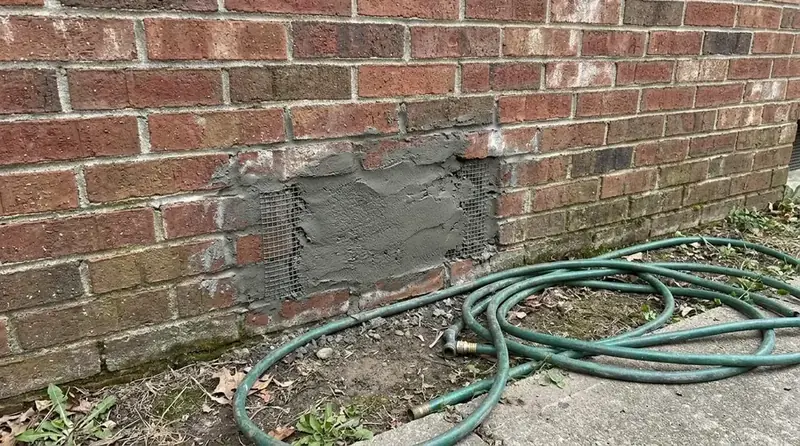
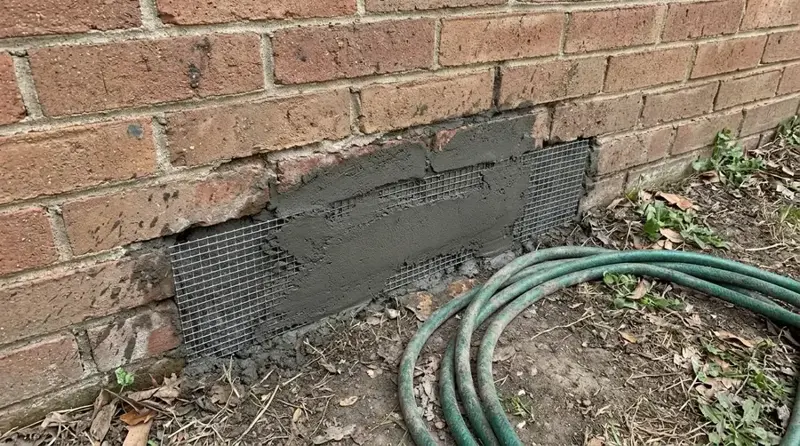
Caulk around pipes, baseboards, cabinet backs and wall outlets. Repair leaking faucets and drain lines. Use a dehumidifier in damp rooms. Seal gaps in door frames and add door sweeps to keep outdoor roaches from entering. In multi unit buildings, shared walls and pipe chases let roaches move between apartments, so coordinate with neighbors and management.
When to hire a professional
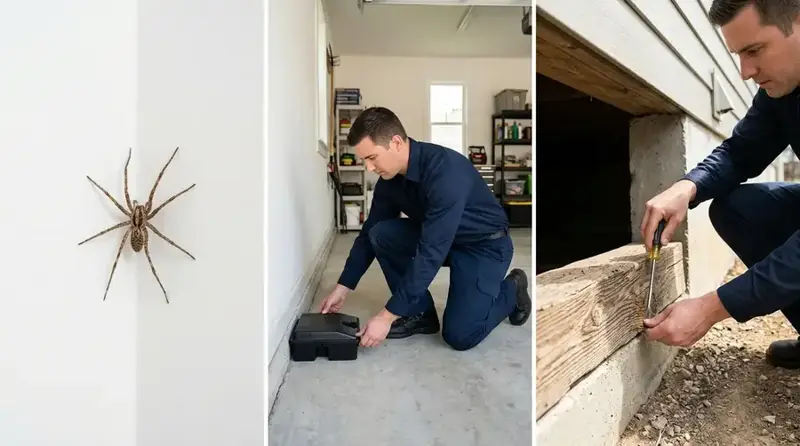
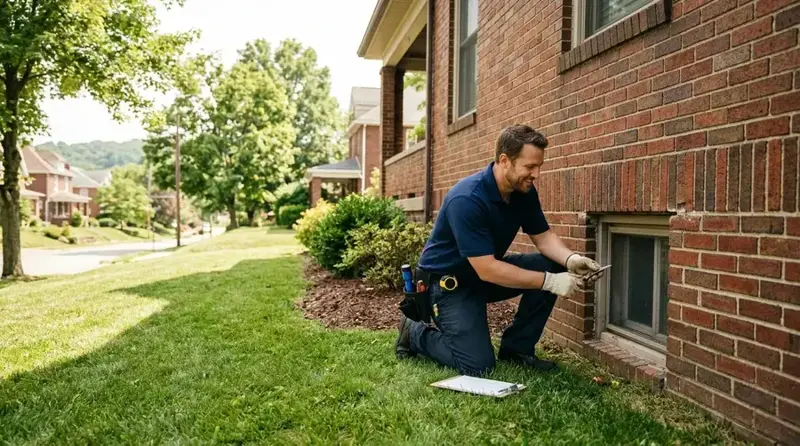
Call if you see roaches in daylight, if they are in several rooms, if baits fail after two weeks, or if you live in a multi family building. A technician identifies the species, locates harborage, uses professional baits and growth regulators, and schedules follow up visits. Cockroach droppings and body parts can trigger asthma, especially in children, so persistent infestations deserve prompt care.
Identifying the roach species
German roaches are small and light brown with two stripes, living in kitchens and bathrooms. American roaches are large and reddish and prefer basements and sewers. Species decides treatment.
Bait, sanitation and moisture
Use gel baits in cracks, clean grease, fix leaks and seal gaps. Avoid spraying repellents near baits.
Follow up and prevention
Check monitors weekly. Expect results in one to three weeks. Persistent cases need professional service, especially in apartments.
Apartment and shared wall roaches
In apartments, roaches walk along pipes and wall voids between units. Treating only your kitchen can leave populations next door. Ask the manager for building wide service, tell neighbors about the problem, seal gaps around pipes under sinks and behind stoves, and keep your food in sealed containers. Gel baits placed in many small spots do better than a few large ones. Repeat visits every two weeks until monitors show no catches.
Cleaning that matters most
Focus on grease behind the stove, crumbs under toasters, water in sink traps and cardboard stacks. Roaches need little, and removing these sources makes baits far more effective.
Keeping notes that help
Count roaches on monitor traps once a week and write the numbers down. A falling count means the baits are working. A flat or rising count after three weeks means you should change the bait, find the hidden source or ask a professional to inspect.
Frequently Asked Questions
Why do roaches keep coming back?
Food, water and hidden harborage.
Are roaches harmful?
They trigger allergies and spread germs.
Do bombs work?
Foggers often fail to reach hiding places.