Pest Control Sprays and Insect Control Products: What Works and Safety

Sprays and store bought products can help with some pests but make others worse. Choosing the right tool and following the label matters.
- Types of products
- When sprays help
- When sprays backfire
- Safety
- Rodents are different
- When to call a professional
- How to read a label
- Baits, gels and dusts
- Perimeter treatment
- Foggers and bug bombs
- Pests that spray will not solve
- Safe storage and disposal
- Common sense checklist
- Pets and aquariums
- Keeping notes that help
Types of products
Aerosol and pump sprays, baits and gels, dusts, granules, foggers and traps are all sold for household pests. Sprays kill on contact or leave a residual. Baits work slowly, which is useful for colony insects such as ants and roaches. Dusts reach cracks and voids.
When sprays help
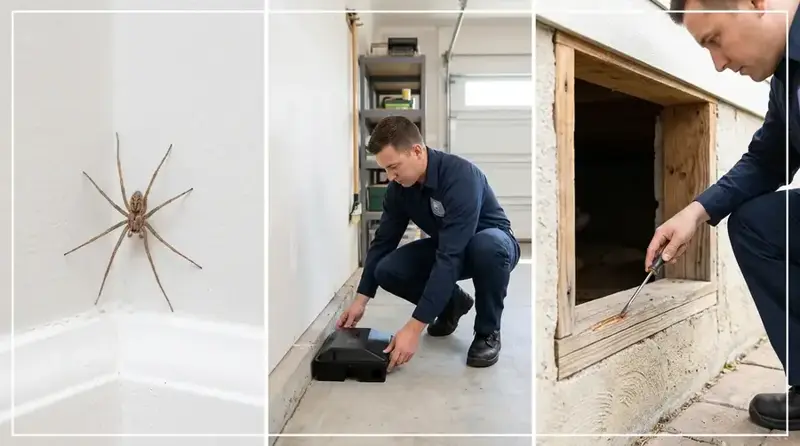
Sprays can work on visible spiders, wasps and flies, or as perimeter treatments on the outside of a home. Residual sprays outdoors can reduce ants and spiders entering. Always use the product for the pest and the site on the label.
When sprays backfire
Repellent sprays can scatter ant and roach colonies and make baits less effective. Foggers rarely reach hiding places, can contaminate surfaces and may be a fire risk. Overuse can speed resistance in some pests.
Safety
Read the label and follow it. Keep children and pets away from treated areas until dry. Do not apply to food surfaces. Store products in original containers out of reach. Ventilate rooms. Do not mix products. Call Poison Control at 1-800-222-1222 after exposure.
Rodents are different
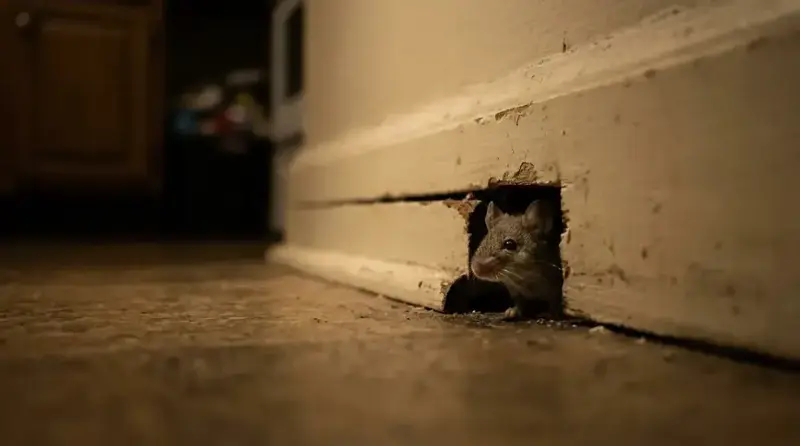
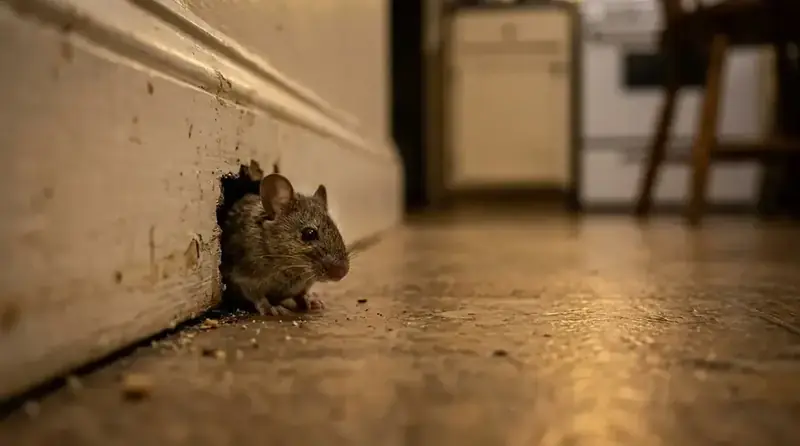
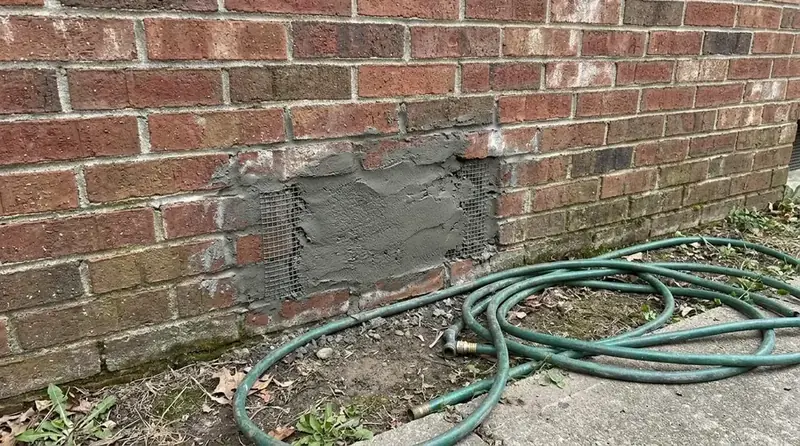
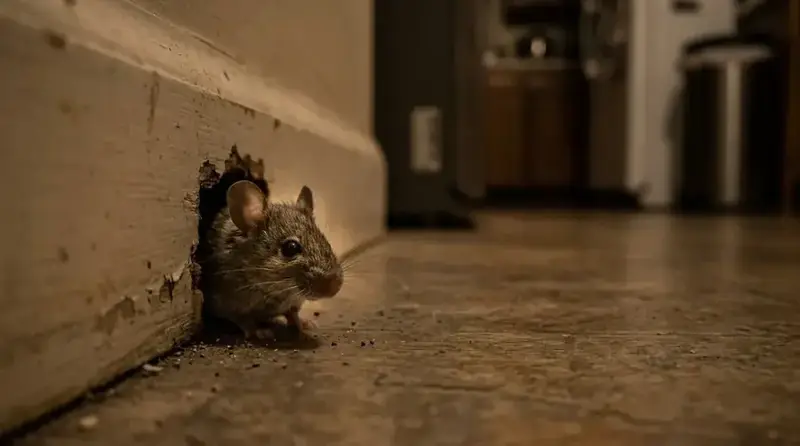
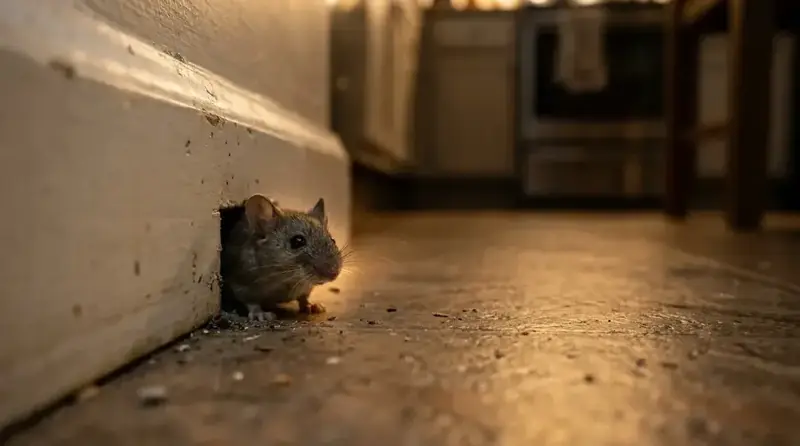
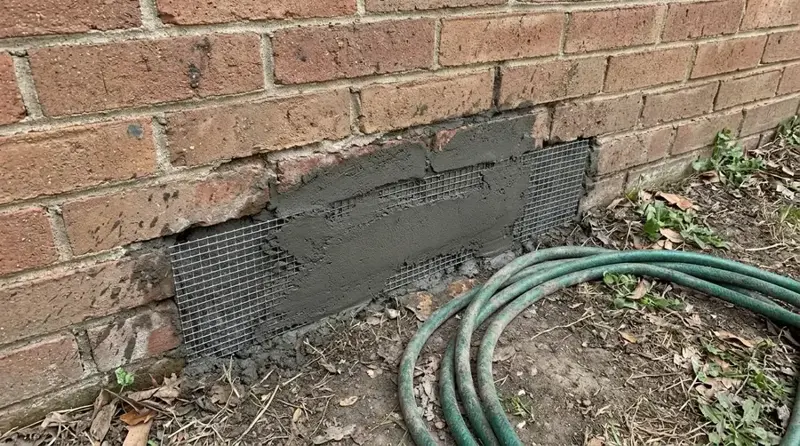
Sprays do not control rats or mice. Repellent sprays have little effect, and rodenticides carry risks. Trapping and sealing are the reliable approach.
When to call a professional
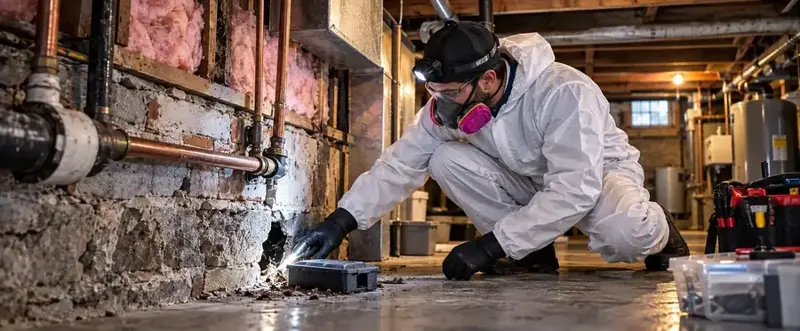
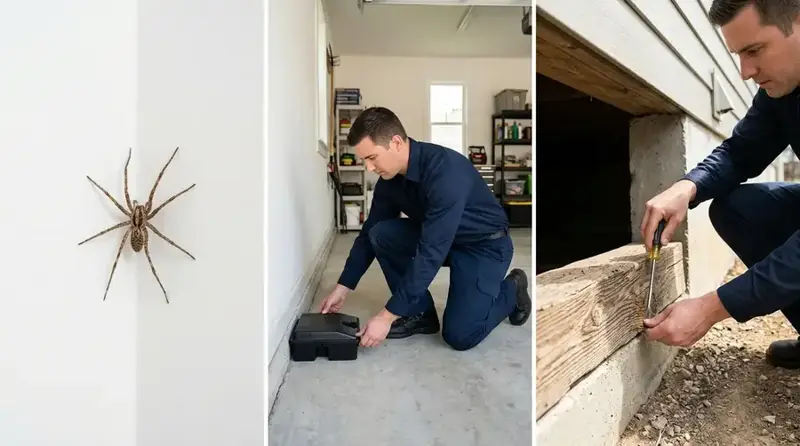
Persistent roaches, bed bugs, fleas, carpenter ants and yellow jackets need professional tools and follow up. A technician identifies the pest and chooses methods that fit your home.
How to read a label
The label is the law for pesticide use. Look for the pest list, which says which pests the product is approved for, and the site list, which says where you can apply it. Check the signal word, such as caution, warning or danger, which indicates toxicity. Read the directions for rates, re entry times and precautions for pets and children. Look at the active ingredient, such as pyrethroids, boric acid or fipronil, and learn what each does. A product that says it is for outdoor use only should never be used indoors. A product that does not list your pest is not a good choice.
Baits, gels and dusts
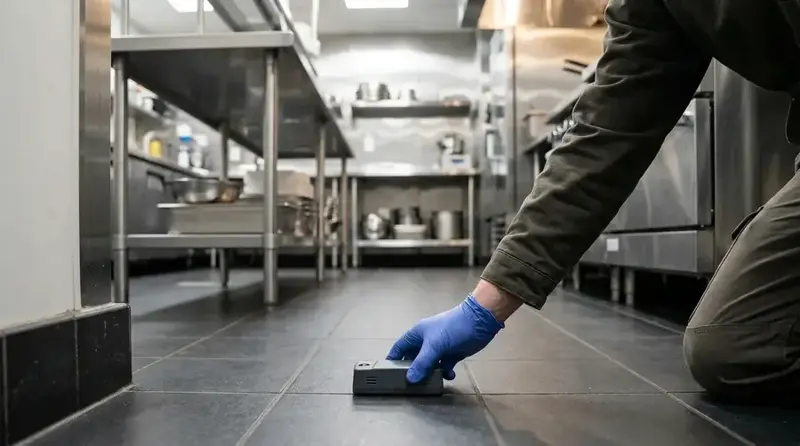
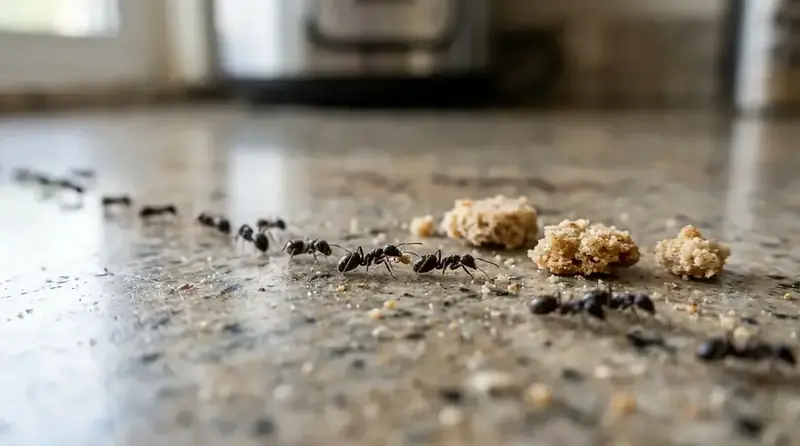
Baits and gels are placed in small amounts where insects travel. Worker insects carry the bait back to the colony, which is why baits work best for ants and roaches. Place them near activity but away from food and out of reach of children and pets. Dusts such as boric acid or diatomaceous earth are applied in thin layers inside voids and behind appliances. They work slowly, and thick piles are avoided by insects. Replace baits as they dry and rotate active ingredients if one seems less effective.
Perimeter treatment
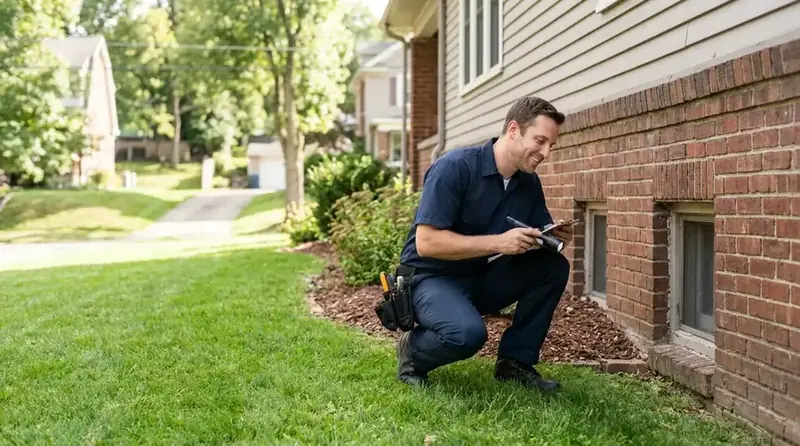
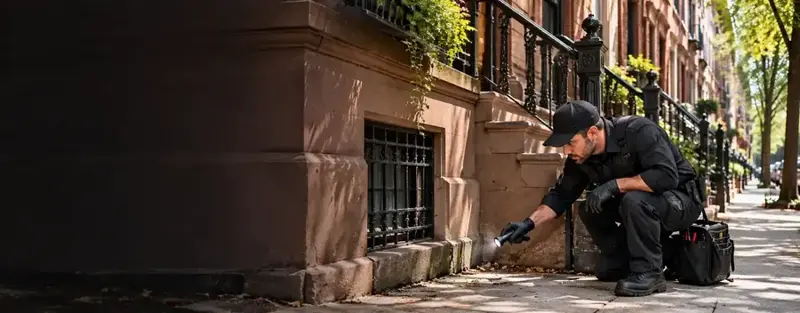
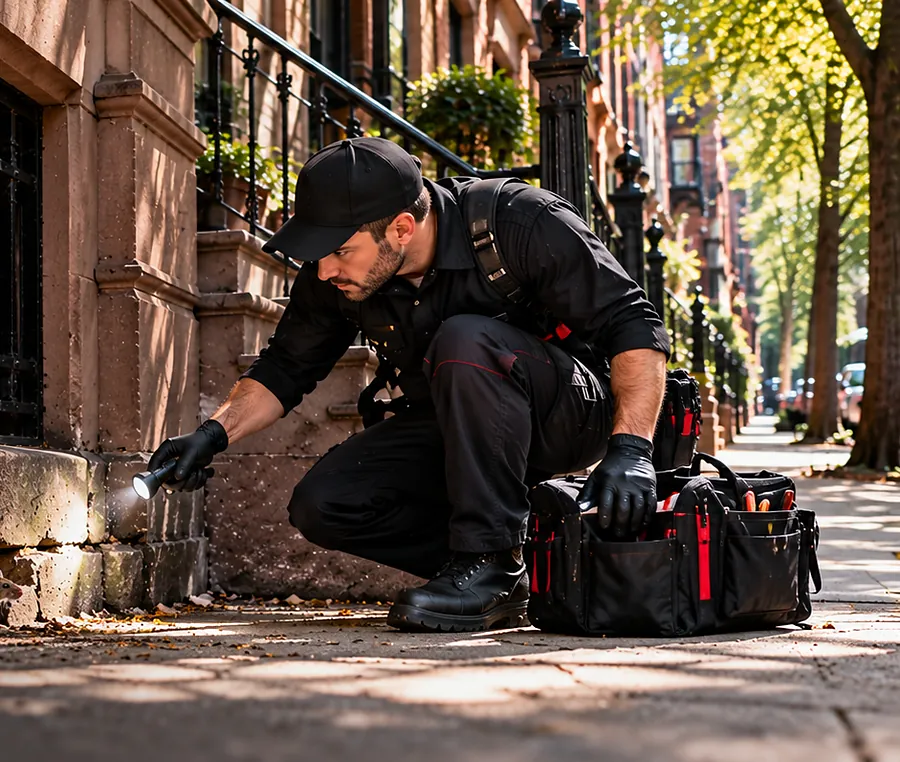
A perimeter spray outdoors creates a barrier around the foundation, door frames, window frames and eaves. It can reduce ants, spiders and other pests entering. It does not replace interior sealing or sanitation. Follow the label for rates and avoid applying before rain. Keep pets and children off treated areas until dry. Professional perimeter treatments use equipment and products that are not available in stores, and they generally last longer.
Foggers and bug bombs
Total release foggers are widely sold but have drawbacks. Their mist settles on exposed surfaces and rarely penetrates cracks where roaches and bed bugs hide. Insects can be driven deeper into walls. Residue can land on food surfaces and dishes. Some fogger products have been linked to fires and injuries when used near pilot lights. For most indoor problems, targeted baits and professional treatments work better.
Pests that spray will not solve
Bed bugs have developed resistance to many consumer insecticides, and spraying often spreads them. Carpenter ants have nests in wood that sprays cannot reach. Fleas require treatment of pets, bedding and the environment together. Wasp nests inside walls should be handled by professionals. Rodents are not controlled by sprays at all. For these, correct identification and a professional approach save time and reduce risk.
Safe storage and disposal
Keep products in their original containers with labels intact. Store them in a locked cabinet away from food, medicine and children. Do not pour leftover product down drains. Take unused products to a household hazardous waste collection site. If a product is swallowed or sprayed in the eyes, call Poison Control at 1-800-222-1222 right away and have the label ready.
Common sense checklist
Identify the pest, choose one product that lists it, read the label twice, test in a small area, keep pets and children away, ventilate and record what you used. If there is no improvement after the stated time, stop and call a professional instead of mixing products.
Pets and aquariums
Cover fish tanks, remove bird cages and keep pets out of the room during application. Wash pet bowls and toys before reuse.
Keeping notes that help
Write down each product you use, the date, the room and the result. If a product does not work after the stated time, stop. The record prevents mixing products, speeds up a professional's choice of treatment and protects pets and children.
Frequently Asked Questions
Do pest sprays work?
For some pests, yes, but not for colonies hidden in walls.
Are foggers worth it?
Usually not. They often miss hiding places.
Is spray safe near pets?
Keep pets away until dry and follow the label.
Do sprays kill mice?
No. Use traps and sealing.