7:00 AM to 1:00 AM ET, Every Day 347-795-3007
Health Risks

LCMV From House Mice: What It Is and How to Lower the Risk

By the NYC Rodent Control team · Published 2026-10-29 · Updated 2026-10-08

Health Risks: LCMV From House Mice: What It Is and How to Lower the Risk

Lymphocytic choriomeningitis virus, or LCMV, is carried mainly by the common house mouse. Most infections are mild, but it matters for pregnant women and people with weak immune systems. This is general health information, not medical advice. If you feel unwell after rodent contact, talk to a doctor and mention the exposure.

What is LCMV?

LCMV is a virus that the common house mouse can carry for life without looking ill. People can be infected by breathing in dust from mouse urine, droppings or nesting material, by contaminated food, or through bites.

What are the symptoms?

Many people have no symptoms. Others get flu like illness with fever, tiredness, headache, muscle aches and nausea. In some cases the illness moves to the brain or the lining around it and causes meningitis, with a stiff neck and severe headache.
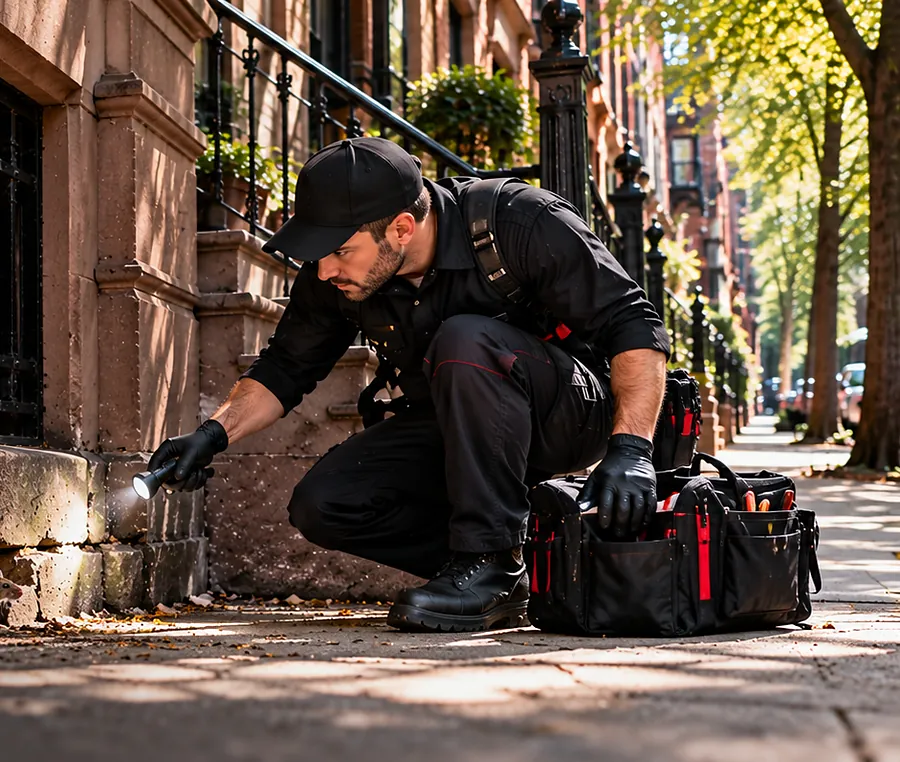
Technician performing a rodent inspection in NYC (illustrative image)

Who needs extra care?

Pregnant women should be careful because LCMV infection during pregnancy can harm the baby. People with weakened immune systems should also avoid mouse droppings and nests.

How common is it in apartments?

House mice are among the most common pests in New York apartments, so exposure is possible wherever mice live. Serious illness is uncommon, which is why the focus is on prevention and safe cleanup.

Safe cleanup steps

Ventilate the room, wear gloves and a mask, wet droppings with disinfectant and let it soak for at least five minutes. Wipe with paper towels, double bag the waste and wash your hands.

Remove the mice, not just the mess

Seal gaps around pipes, doors and vents. Use traps or locked bait stations placed by a trained technician. A building wide approach works best when neighbors also have mice.

Dealing with this right now?

Our sanitation & disinfection service handles exactly this: professional inspection, written quote.

Frequently Asked Questions

Can pet mice carry LCMV?

Yes, pet and lab rodents have been linked to cases. Wash your hands after handling them.

Is LCMV the same as hantavirus?

No. They are different viruses carried by different rodents.

Do mice always show signs of infection?

No. A mouse can carry LCMV and look healthy.
NYC
NYC Rodent Control Team

Pest management professionals serving all five boroughs from Greenpoint, Brooklyn. We publish what we learn on the job. Read more about us or browse our services.

Keep Reading

Related Guides

Rat Guides
Rat Guides

How to Get Rid of Rats in NYC: What Works in 2026

Read Article →
Mouse Guides
Mouse Guides

Mice in Apartment NYC: 7 Signs and What To Do

Read Article →
Cost Guides
Cost Guides

Rodent Control Cost NYC 2026: Rat & Mouse Exterminator Prices

Read Article →
Health Risks
Health Risks

Diseases Spread by Rats and Mice in NYC and How to Stay Safe

Read Article →
Health Risks
Health Risks

Leptospirosis in NYC: Rats, Symptoms and Prevention

Read Article →
Health Risks
Health Risks

Mice, Allergies and Asthma in NYC Apartments

Read Article →
Mouse Guides
Mouse Guides

How Mice Get Into a House: Entry Points Technicians Find First

Read Article →
Homeowner Guides
Homeowner Guides

Whole Building vs One Unit: Rodent Control Pricing in NYC

Read Article →
Health Risks
Health Risks

Dead Mice in a Wall Heater or Radiator: Removal and Cleanup

Read Article →
Mouse Guides
Mouse Guides

One Mouse in the Building: Is It an Infestation?

Read Article →
Health Risks
Health Risks

Hantavirus From Mice and Rats: Risk, Symptoms and Safety in NYC

Read Article →
Health Risks
Health Risks

Rat Bite Fever: Symptoms, Causes and What to Do After a Bite

Read Article →
Health Risks
Health Risks

Salmonella From Mice and Rats: Food Contamination and What to Throw Away

Read Article →
Health Risks
Health Risks

Plague, Fleas and Rats: Is There Any Risk in NYC Today?

Read Article →
Health Risks
Health Risks

Symptoms After Rodent Exposure: When to See a Doctor

Read Article →
Call Now: 347-795-3007