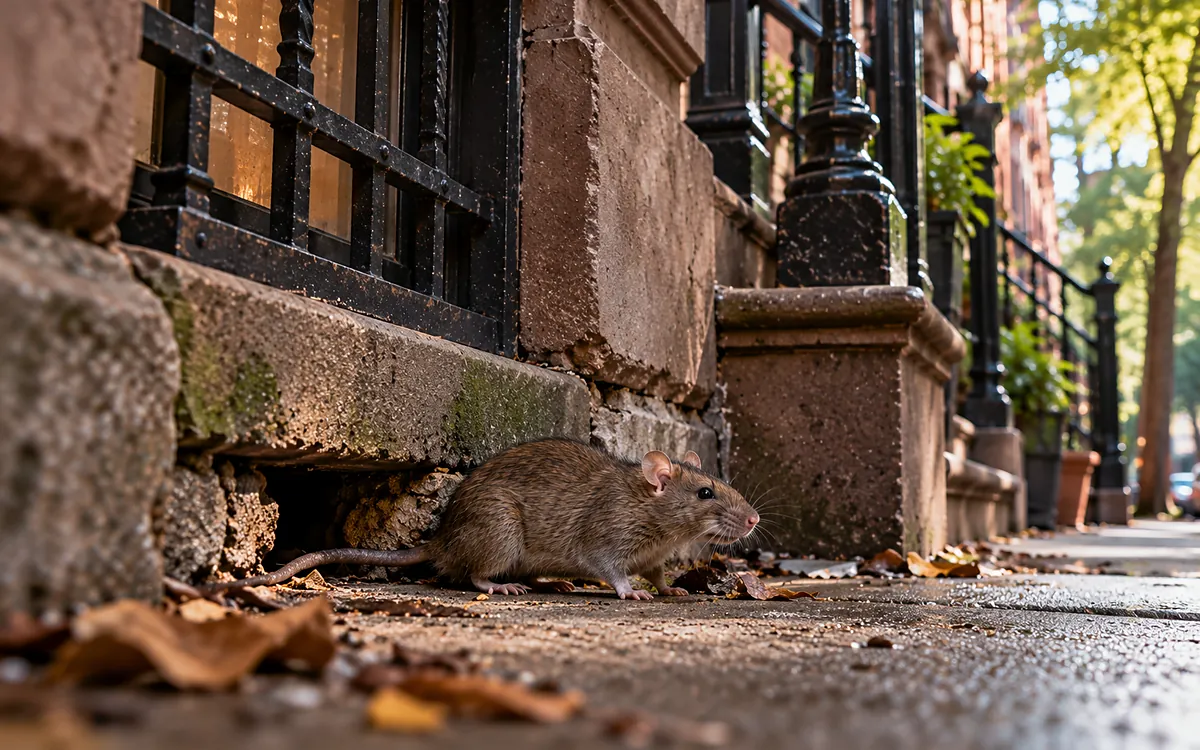
Diseases Spread by Rats and Mice in NYC and How to Stay Safe

Rats and mice are more than a nuisance. They can carry germs that make people sick, and New York's dense housing puts many people close to them. This guide explains the main diseases linked to rodents, how exposure happens and the steps that lower the risk. It is general health information, not medical advice.
Why rodents matter for health
Rodents can spread disease through bites, through contact with their urine, droppings and saliva, through contaminated food and water, and sometimes through fleas and ticks that live on them. The CDC lists several illnesses that people can catch directly from rodents, including leptospirosis, hantavirus disease, salmonellosis, rat bite fever and lymphocytic choriomeningitis. Most people who live near rodents never get sick, but the risk is real enough that health agencies advise acting early.
Leptospirosis
Leptospirosis is caused by bacteria that rats shed in urine. People can be infected when contaminated water or soil touches broken skin, eyes, nose or mouth. Symptoms can include fever, headache, muscle aches, vomiting and, in serious cases, kidney or liver problems. The NYC Health Department tracks cases in the city, and its guidance for rat exposure is to avoid contact with rat urine and to see a doctor if you become ill after exposure. Dogs can also catch it, so pet owners should keep dogs away from puddles near trash and burrows.
Hantavirus and other airborne risks
Hantaviruses spread mainly when dried droppings, urine or nesting material are stirred up and breathed in. The best known cases in the United States involve deer mice in rural areas, and the CDC warns against sweeping or vacuuming dry droppings for this reason. In New York City the risk from this route is lower, but cleaning droppings the wrong way still puts germs and dust in the air. Wet the area first and use disposable towels. Our droppings cleanup guide has the steps.
Salmonella and food contamination
Mice and rats walk across counters, pantry shelves and packaging, leaving droppings and urine behind. This can contaminate food with bacteria such as salmonella and cause stomach illness. Throw away food that rodents may have touched, store dry goods in glass or hard plastic, and clean surfaces with a disinfectant. Restaurants and food businesses face extra rules, which is why documented service matters for them.
Rat bite fever and bites
Rat bite fever can follow a bite or scratch from a rodent, and sometimes contact with a dead animal. Wash any bite with soap and water right away and see a doctor, especially if fever, rash or joint pain follows. Bites are uncommon in homes but happen more often when rats are cornered or when people handle traps and dead animals without gloves.
Allergens and asthma
Rodent urine, droppings and dander can trigger allergies and asthma, especially in children. Studies of city housing have linked mouse allergen in homes to asthma symptoms. If someone in your home has asthma and you see signs of mice, treat it as a health issue as well as a pest issue and ask a doctor about next steps.
How to lower the risk
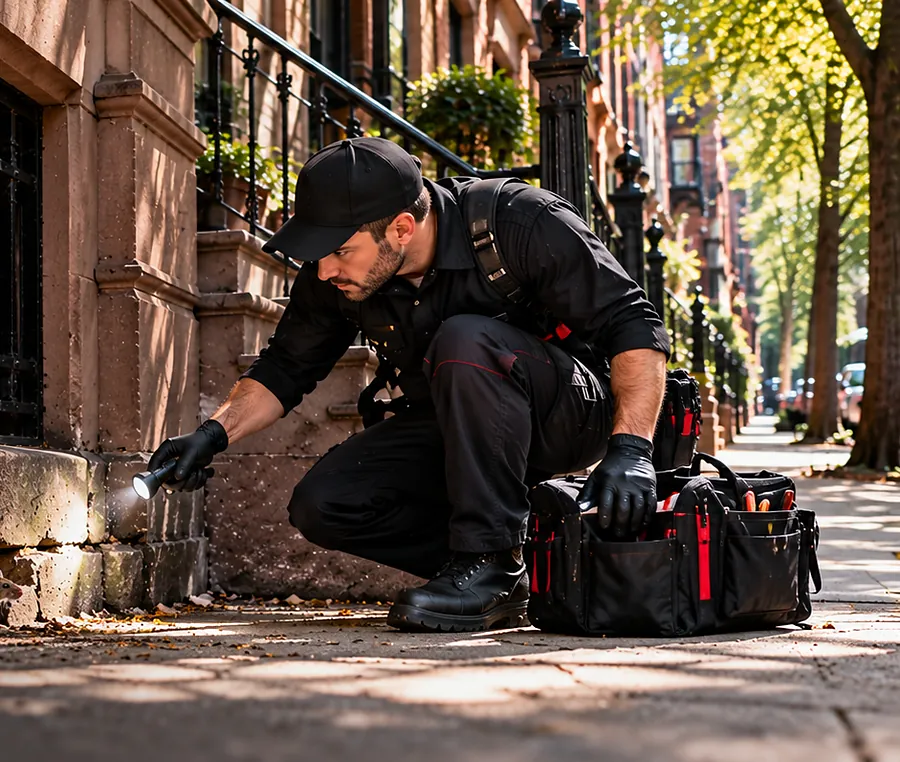
The most effective protection is to keep rodents out and keep them away from food. Seal gaps around pipes and radiators, store food in hard containers, take out trash daily, fix leaks and keep clutter away from walls. Use gloves and a wet cleaning method when removing droppings, and wash your hands afterward. If you see repeated signs, a professional inspection finds the entry points and gives you a written plan. Landlords are generally responsible for pests in rental buildings, so tell them in writing.
When to see a doctor
Seek medical advice if you develop fever, severe headache, muscle pain, vomiting, jaundice, rash or trouble breathing after exposure to rodents, droppings or contaminated water, and tell the doctor about the exposure. Do not wait for symptoms to pass on their own if they are severe.
Frequently Asked Questions
What diseases do rats carry in NYC?
The CDC lists leptospirosis, salmonellosis, rat bite fever and hantavirus disease among illnesses linked to rodents. Leptospirosis is the one most often discussed in city settings.
Can mice make you sick?
Yes. Mice can contaminate food and surfaces and carry germs such as salmonella. Their droppings and dander can also trigger allergies and asthma.
Is it safe to clean mouse droppings myself?
Small amounts can be cleaned with gloves and a wet method. Never sweep or vacuum dry droppings. Call a professional for attics, crawl spaces or large amounts.
Do dead rodents spread disease?
They can, so avoid touching them with bare hands. Use gloves, bag the animal and disinfect the area, or call a professional for dead rodent removal.