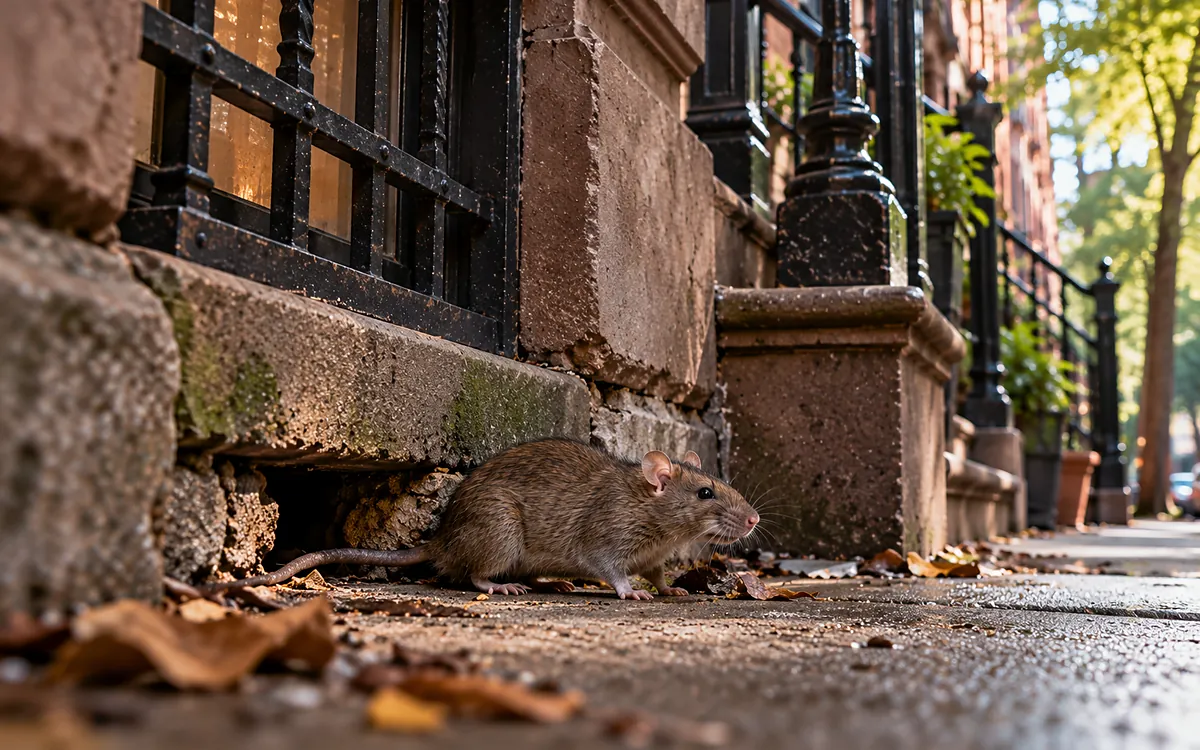
Salmonella From Mice and Rats: Food Contamination and What to Throw Away

Mice and rats can contaminate food and kitchen surfaces with droppings, urine and saliva that carry germs such as Salmonella. Knowing what to throw away protects your family. This is general health information, not medical advice. If you feel unwell after rodent contact, talk to a doctor and mention the exposure.
How do mice and rats spread Salmonella?
Rodents walk across counters, chew into packages and leave droppings in cupboards. Germs can then reach food, plates and utensils. People get sick when they eat contaminated food or touch it and then their mouth.
What are the symptoms of Salmonella?
Diarrhea, fever and stomach cramps usually start between six hours and six days after exposure. Most people recover in a week, but young children, older adults and people with weak immune systems can become seriously ill.
What food should I throw away?
Discard any open food that mice or rats have touched, chewed or left droppings on. That includes cereal, flour, rice, bread, pet food and snacks in thin packaging. Do not try to cut off the damaged part.
How to clean the kitchen after rodents
Remove everything from the affected cupboards. Wash shelves with hot soapy water, then disinfect. Wash dishes and utensils that were stored nearby. Wipe counters before preparing food.
Store food so rodents cannot reach it
Use glass, metal or thick plastic containers with tight lids. Keep pet food sealed and take trash out nightly. Fix leaks, because rodents also look for water.
Stop the cycle
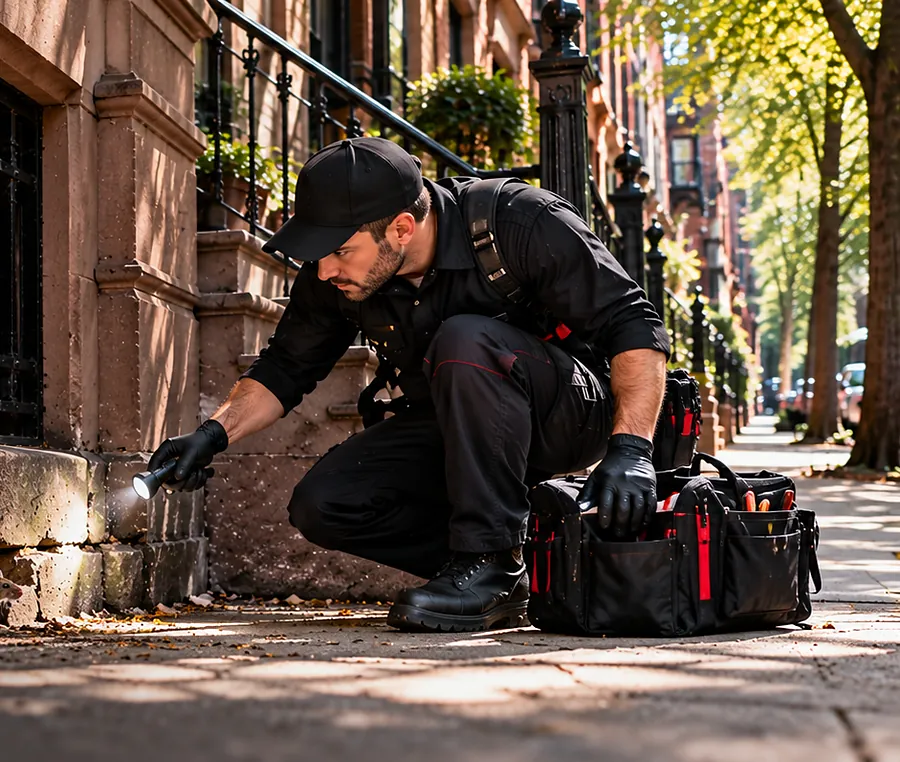
Cleaning does not end the risk if mice still have a way in. Entry point sealing and trapping stop new contamination. Restaurants and food shops should keep a regular inspection program.
Frequently Asked Questions
Can mouse droppings in a pantry make me sick?
They can carry germs, so clean carefully and throw away exposed food.
Is it safe to wash food that mice touched?
Washing is not enough for packaged dry goods. Discard them.
How often should restaurants be inspected?
Many food businesses keep monthly or quarterly visits, depending on risk.