Leptospirosis in NYC: Rats, Symptoms and Prevention

Leptospirosis is a bacterial illness linked to rat urine, and it matters in a city with as many rats as New York. This guide covers how people and dogs get exposed, the symptoms, who is most at risk and the practical steps that reduce it. It is general information, not medical advice.
What is leptospirosis
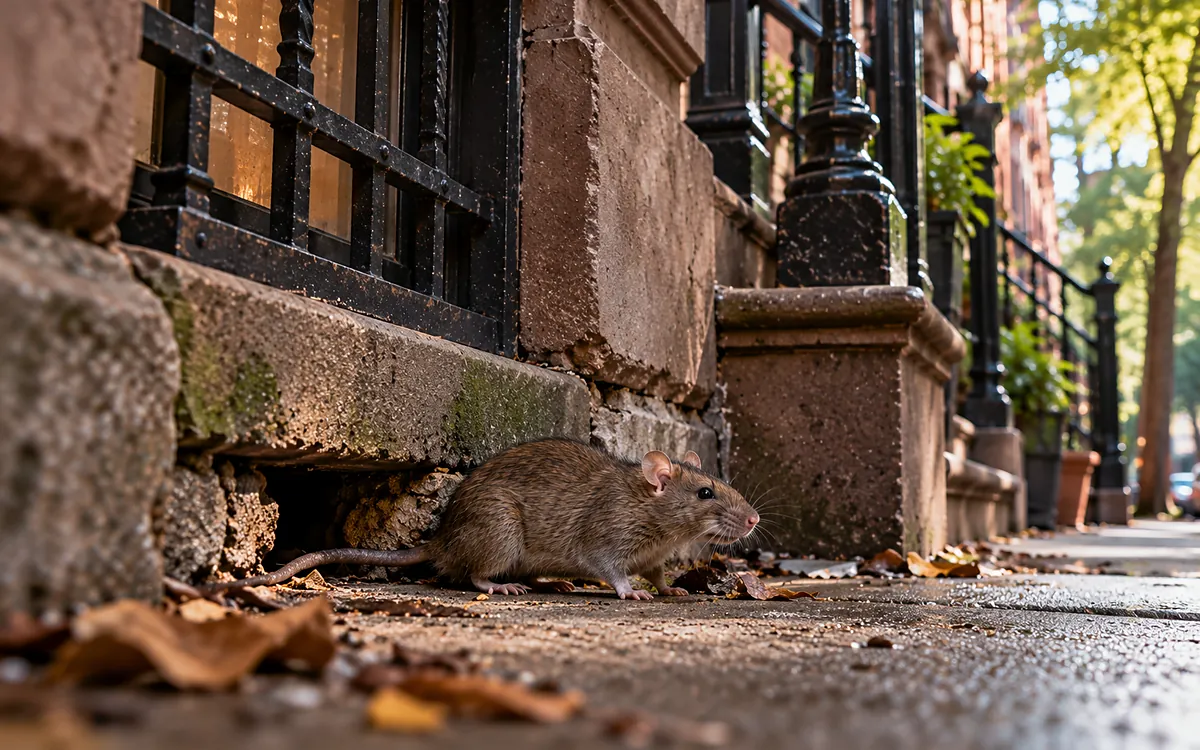
Leptospirosis is an infection caused by Leptospira bacteria. Infected animals, including rats, can carry the bacteria in their kidneys and shed it in urine. The bacteria can survive in wet soil and standing water for some time, which is why puddles near trash, burrows and building sites are a concern.
How people get infected
Infection happens when contaminated water, soil or surfaces touch broken skin, the eyes, nose or mouth, or when someone swallows contaminated water. Contact with rat urine, handling dead rats without gloves and touching contaminated surfaces are all routes. Person to person spread is rare.
Symptoms to watch for
Symptoms can appear within about a week or two and may include fever, chills, headache, muscle aches, red eyes, vomiting and diarrhea. Some people recover without treatment, but severe illness can affect the kidneys and liver. Antibiotics work best when started early, so tell a doctor if you were exposed to rats or rat urine.
Who is more at risk
People who work with trash, sewers, construction, restaurants or buildings with rat activity face more exposure. So do people in homes with rat problems and anyone who handles pets that roam outdoors. Dogs can get leptospirosis too, and a vaccine is available for dogs, so ask a veterinarian whether it fits your dog.
How to reduce the risk
Keep rats away from where you live and work. Use hard sided trash cans with tight lids, avoid leaving bags at the curb overnight, fix leaks and standing water, and seal gaps in foundations and basements. Wear gloves and boots when cleaning areas that rats used, wash hands afterward and cover cuts with waterproof bandages. Keep dogs away from puddles near trash or burrows.
What to do if you see rats
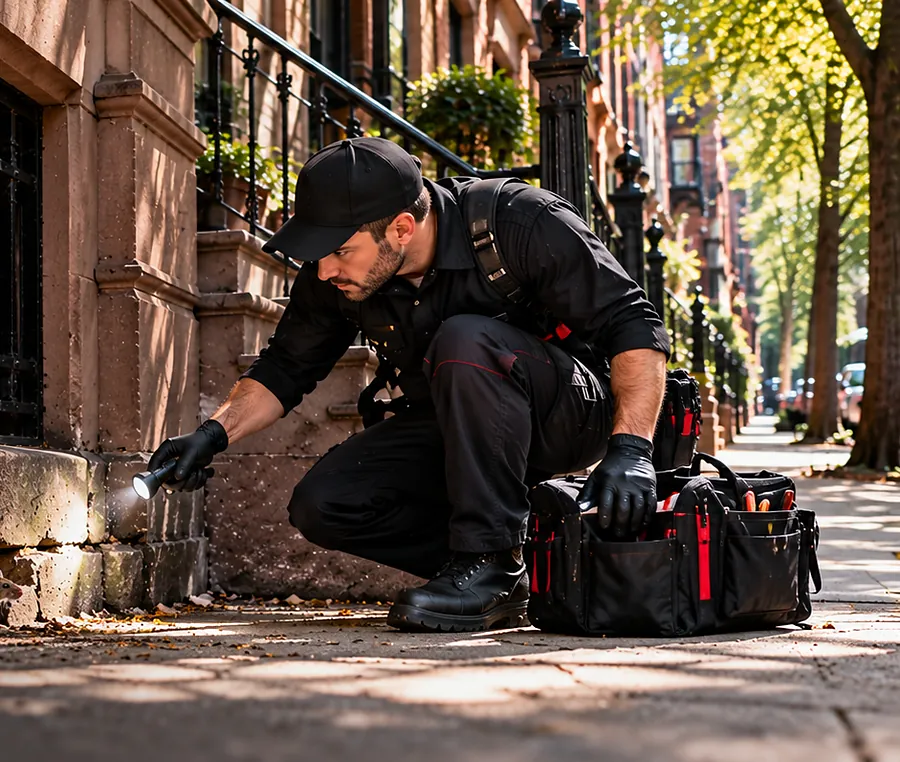
Document the activity and report it. In rental buildings, the owner is generally responsible for pest control, and you can report to 311 so the city can inspect. For your own property or business, a professional inspection finds burrows and entry points and gives you a written quote. See our guides on filing a 311 rat complaint and on the cost of rat control.
Frequently Asked Questions
How do rats spread leptospirosis?
Rats shed the bacteria in urine. People are infected when contaminated water or soil gets into cuts, the eyes, nose or mouth.
Is leptospirosis common in New York City?
The NYC Health Department tracks cases and reports them each year. It is not common, but rat activity is a known risk factor.
What are the first symptoms?
Fever, headache, muscle aches, chills and vomiting are common. See a doctor and mention any rat exposure.
Can dogs catch it from rats?
Yes. Dogs can be infected through contaminated puddles or soil. Ask a vet about vaccination.