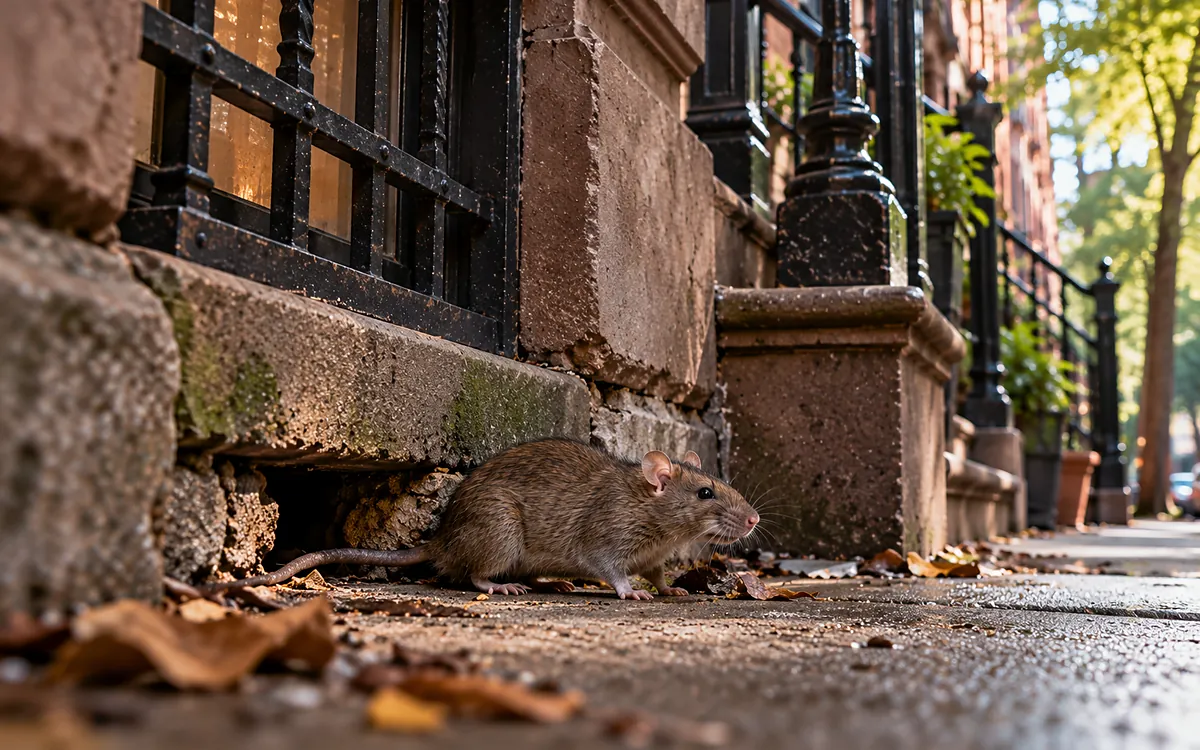
Hantavirus From Mice and Rats: Risk, Symptoms and Safety in NYC

Hantavirus is a group of viruses carried by rodents. People usually catch it by breathing in dust that contains dried urine, droppings or saliva. It is rare, but it can be serious, so safe cleanup matters. This is general health information, not medical advice. If you feel unwell after rodent contact, talk to a doctor and mention the exposure.
What is hantavirus?
Hantavirus is a group of viruses that rodents carry. In the United States the best known illness is hantavirus pulmonary syndrome, which affects the lungs. Other types, such as the Seoul virus that can be carried by Norway rats, mainly affect the kidneys. The CDC says infection comes mostly from contact with rodent urine, droppings and saliva.
How do people get hantavirus?
The usual route is breathing in tiny particles that rise into the air when dried droppings or nests are disturbed. Sweeping, vacuuming or shaking out a dusty space can release them. Bites and scratches are a less common route.
What are the early symptoms?
Early signs look like the flu: fever, chills, tiredness, headache and muscle aches, often in the thighs, hips and back. Symptoms usually start one to eight weeks after exposure. Cough and shortness of breath can follow in the severe lung form, and that needs urgent medical care.
How big is the risk in New York City?
The main US carrier of the lung form is the deer mouse, which is more common in rural and wooded areas than in dense city blocks. City cases are rare. The Norway rat and house mouse are the animals most people meet in NYC apartments, but any rodent dust deserves careful handling.
How to clean rodent droppings safely
Do not sweep or vacuum dry droppings. Open windows and leave the room for about 30 minutes. Wear rubber gloves and a mask. Spray the droppings and nests with a bleach solution or household disinfectant, let it soak for at least five minutes, then wipe with paper towels. Bag everything, seal it and wash your hands well.
Prevent the problem at the source
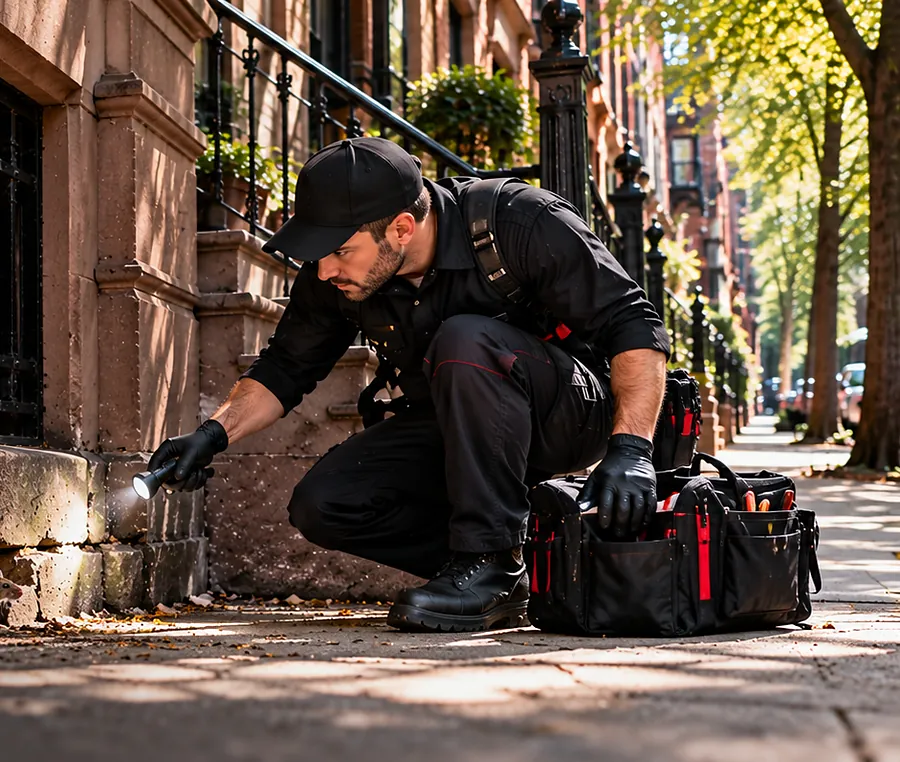
Cleanup helps, but new droppings will keep coming until the animals are gone. A rodent professional finds the entry points, seals them and uses traps or locked stations. That is the lasting way to lower the health risk.
Frequently Asked Questions
Can you get hantavirus from a house mouse?
The lung form in the US is mainly linked to deer mice. House mice can carry other germs, so safe cleanup is still advised.
Is hantavirus spread person to person?
In the US it is not normally spread between people. The Andes virus found in South America is the known exception.
Should I wear a mask when cleaning mouse droppings?
Yes. Use gloves and a mask, wet the area first and never sweep or vacuum dry droppings.