Rat and Mouse Urine Smell: How to Remove It
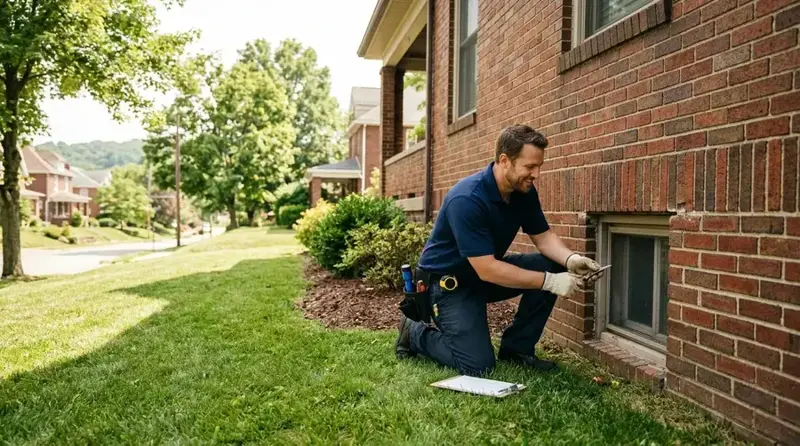
Rodent urine has a sharp ammonia smell that lingers in porous materials. Removing the animals comes first, then cleaning.
- Find the source
- Remove the animals
- Clean hard surfaces
- Porous materials
- Ventilate
- Professional help
- Using a UV light
- Why enzyme cleaners work
- Preventing re contamination
- Step by step cleaning
- Hidden sources
- Protecting yourself
- When to replace materials
- Why the smell lingers
- Pinpointing hidden stains
- Safe cleaning methods
- When to replace instead of clean
- Stopping the source
- Where rat urine odor hides
- Cleaning surfaces step by step
- Preventing the smell from returning
- Testing whether the smell is gone
- Choosing the right cleaner
- Keeping notes that help
Find the source
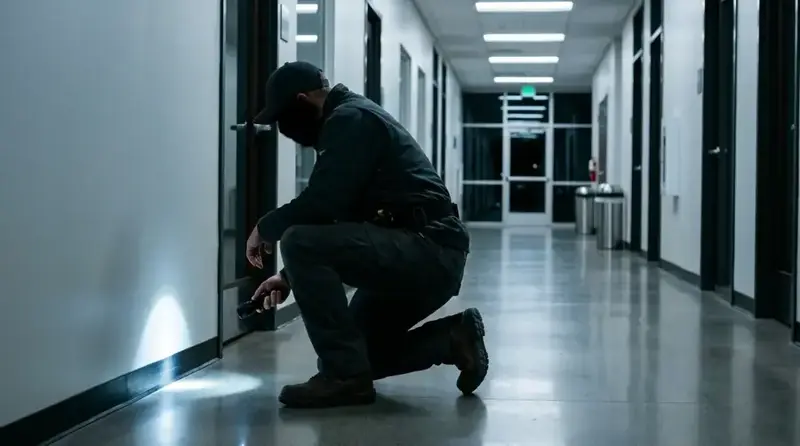
Follow the smell to nests, cabinets, attics or walls. A UV light can show urine stains.
Remove the animals
Cleaning alone will not keep the smell away if rodents keep returning.
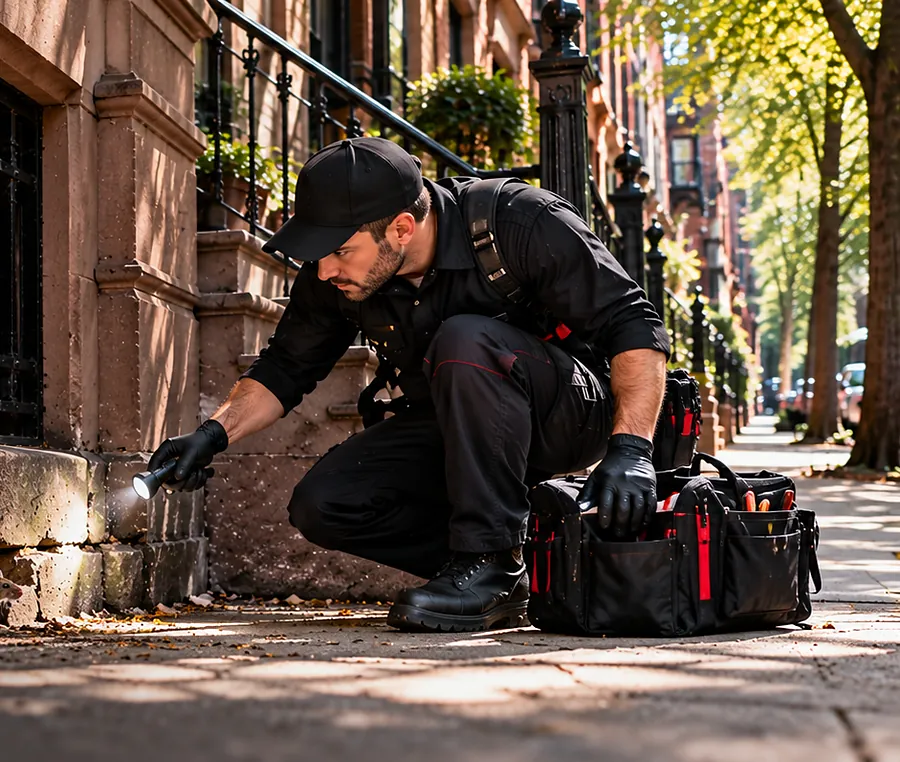
Clean hard surfaces
Wear gloves and a mask. Disinfect, then use an enzyme cleaner that breaks down urine.
Porous materials
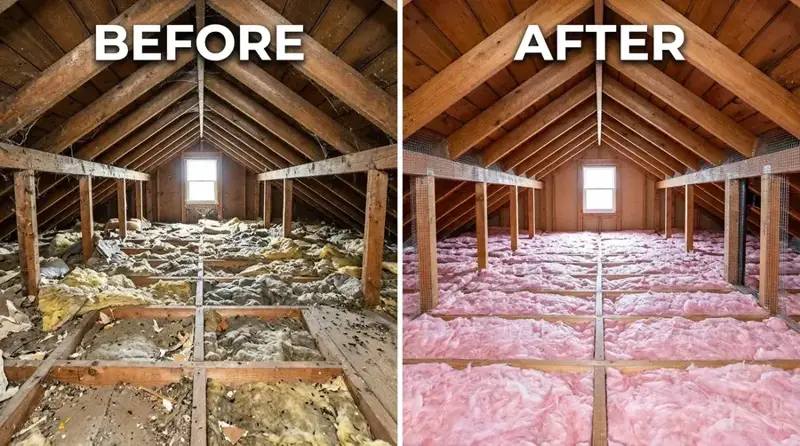
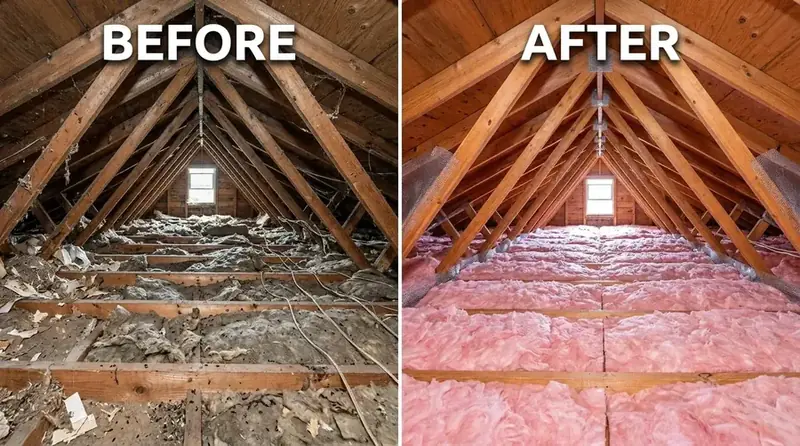
Carpet, insulation and cardboard soak up urine. Replace them if the smell stays.
Ventilate
Open windows and run fans. Do not mix bleach with ammonia products.
Professional help
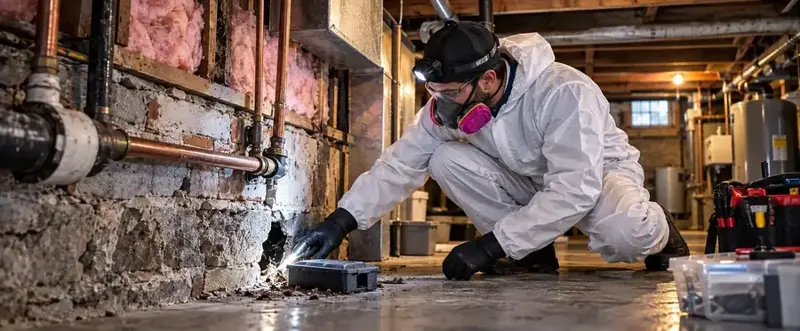
For attics, crawl spaces and large areas, a sanitation service is safer.
Using a UV light
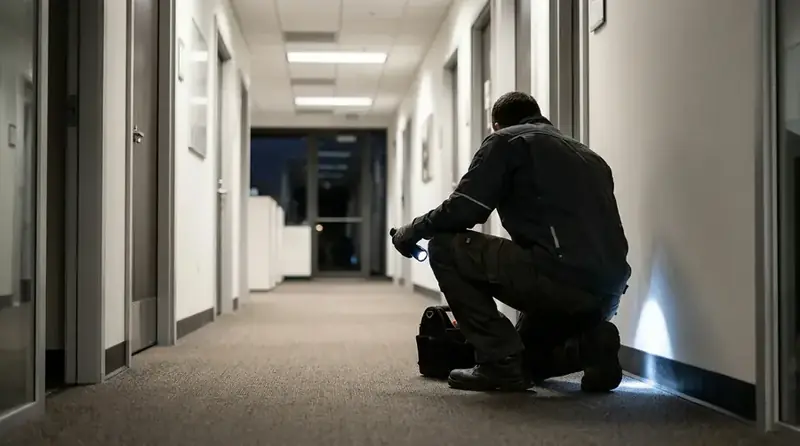
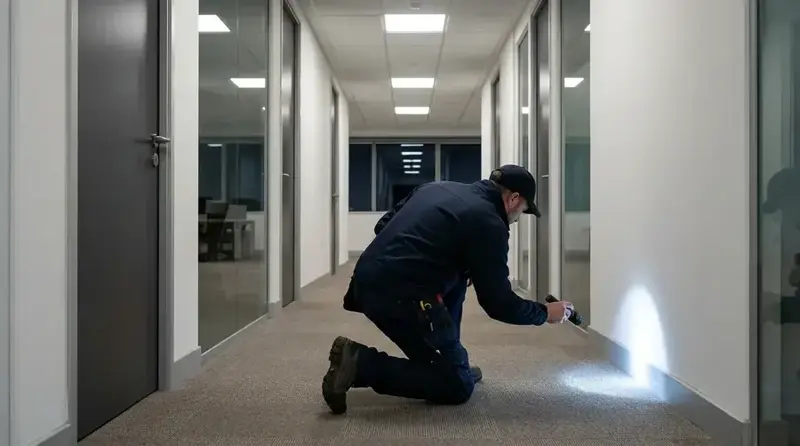
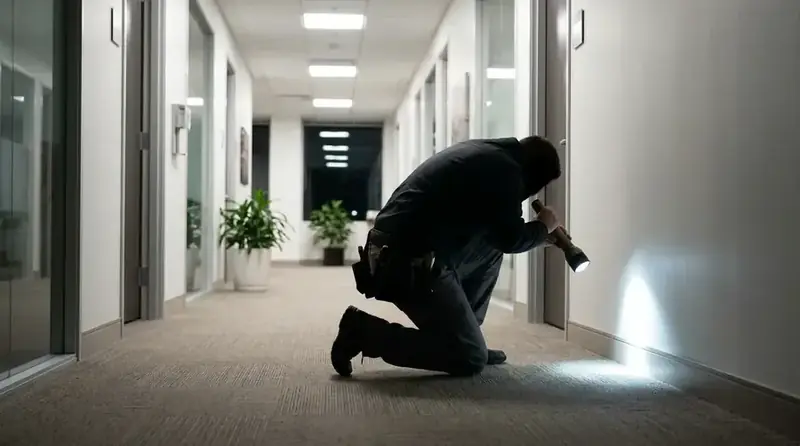
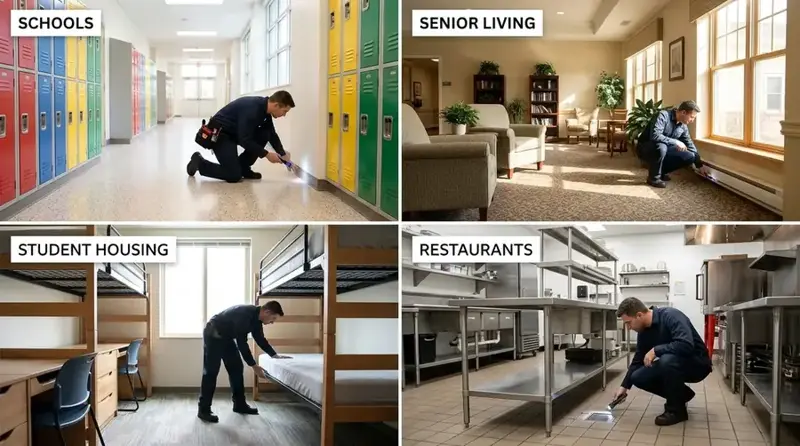
A black light shows urine stains as glowing patches. Mark them and clean them. This helps find hidden spots, such as in carpets or cabinets.
Why enzyme cleaners work
Urine contains compounds that regular cleaners do not break down. Enzyme cleaners digest them so the smell does not return. Soak the area and let it dry.
Preventing re contamination
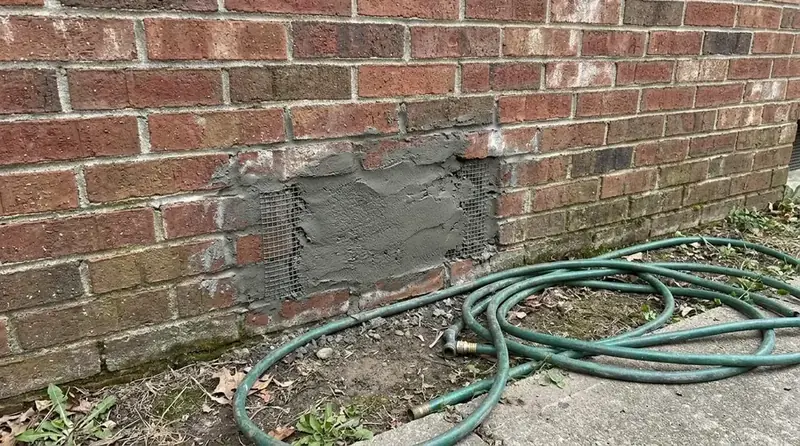
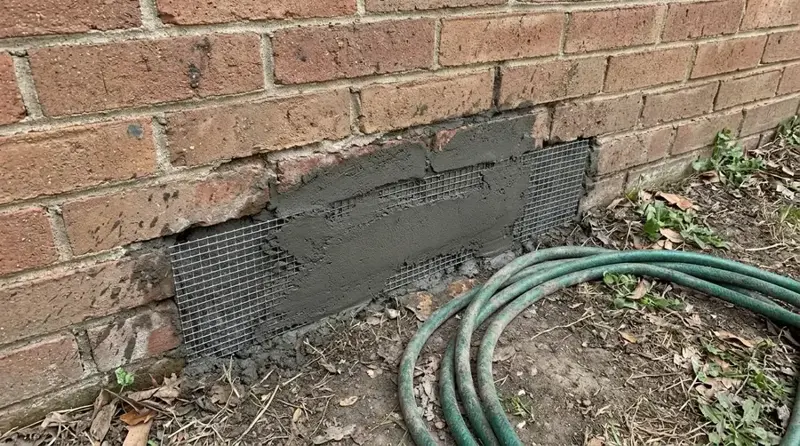
Seal entry points and remove rodents first. Otherwise animals will mark the area again and the odor returns.
Step by step cleaning
Ventilate. Wear gloves and a mask. Remove soiled items. Clean with detergent. Apply enzyme cleaner and let it dwell. Rinse and dry. Repeat if odor remains. Replace porous materials that stay smelly.
Hidden sources
Check wall voids, under flooring, behind appliances and inside insulation. A persistent smell may mean a dead animal or a nest. A professional can locate it.
Protecting yourself
Wear gloves and a mask. Do not breathe dust. Wash clothes after cleanup. Keep children away.
When to replace materials
Soaked insulation, carpet padding and cardboard rarely recover. Replace them to remove the odor for good.
Why the smell lingers
Rat and mouse urine contains urea and proteins that bacteria break down into ammonia like compounds. On hard, sealed surfaces the odor fades once cleaned. On porous materials such as drywall, wood, insulation, carpet and cardboard, urine soaks in and keeps releasing odor each time humidity rises. That is why a room can smell worse on damp days.
Pinpointing hidden stains
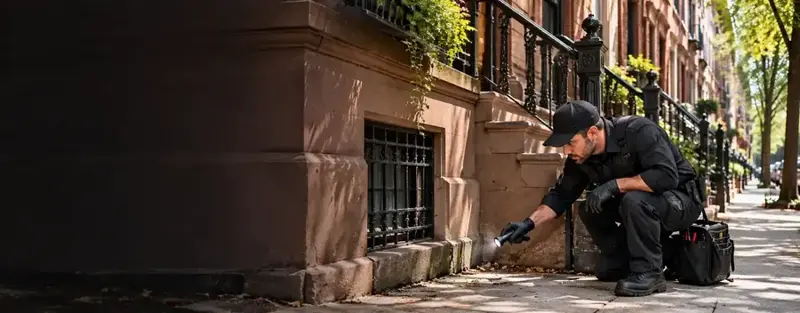
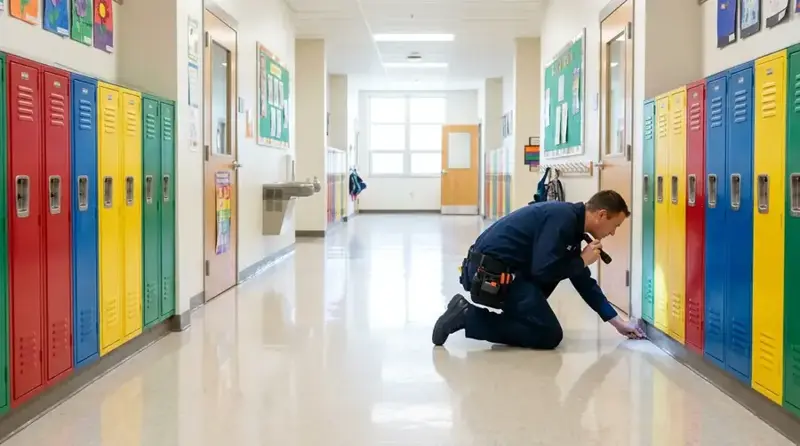
A black light in a dark room makes dried urine glow yellow green, which helps you find trails along baseboards, shelves and attic floors. Mark stains with tape. Rodents repeat urine marks along their paths, so the pattern shows you where animals have been and where traps and sealing should go.
Safe cleaning methods
Wear rubber gloves, eye protection and a mask. Ventilate the area. Remove loose debris with damp paper towels, then clean the surface with detergent and water. Apply an enzyme cleaner made for pet urine, keep the surface wet for the time the label recommends, and let it air dry. Never mix bleach with ammonia products or vinegar. Throw away cleaning materials in sealed bags.
When to replace instead of clean
Insulation, carpet padding, cardboard boxes and soft furnishings that are soaked or heavily soiled should be replaced. Sealing stained wood with a stain blocking primer after cleaning helps lock in lingering odor. In attics and crawl spaces, a sanitation service removes contaminated material safely and treats the space.
Stopping the source
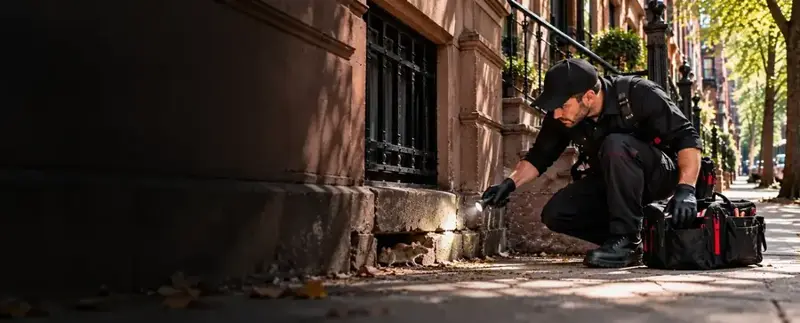
If rodents keep coming back, the smell will too. Our team finds the entry points, removes the animals and then offers cleanup, odor control and, where needed, insulation replacement as part of one plan.
Where rat urine odor hides
Urine soaks into wood, drywall, insulation, carpet and concrete. It leaves a sharp ammonia smell that grows stronger in humid weather. Black light flashlights can show dried urine stains in dark rooms.
Cleaning surfaces step by step
Remove soiled materials that cannot be cleaned. Apply an enzyme cleaner designed for pet or animal urine, let it soak per label, then wipe and ventilate. Seal bare wood with a stain blocking primer once dry.
Preventing the smell from returning
Stop the rats first. If they remain, the odor returns. Repair leaks, seal entry points and monitor for new activity.
Testing whether the smell is gone
After cleaning, ventilate for a day and sniff the area in the morning when the air is still. Use a black light to check for remaining stains. If the odor returns in humid weather, urine remains deeper in porous material, which may need removal. Replace a section of subfloor or drywall if needed. Monitor for rats after cleaning, since new rats mark the area again.
Choosing the right cleaner
Enzyme cleaners break down urine at the molecular level, while bleach only masks it on porous materials. Never mix cleaners and always ventilate the room.
Keeping notes that help
After cleaning, note the date and whether the smell returns in humid weather. If it comes back, mark the spot and plan to remove the porous material. This simple record prevents repeated cleaning of the same stain and shows when the rats are truly gone.
Frequently Asked Questions
How long does the smell last?
It can last until the source is removed.
Does vinegar help?
It helps lightly but enzyme cleaners work better.
Is the smell harmful?
It can irritate lungs and indicates contamination.