How to Get Rid of Rats in the House: Complete Guide

Rats are cautious, strong and persistent. Getting rid of them takes a plan: find the entry points, trap with care, seal with metal and remove what attracts them.
- Confirm it is rats
- Find how they get in
- Trap, do not guess
- Seal with metal
- Remove food and shelter
- Why rats come back
- Why rats are harder than mice
- Costs, timing and follow up
- Long term prevention
- A practical week by week outline
- What a professional adds
- Warning signs by room
- Legal and landlord angles
- Norway rats versus roof rats in your home
- The pre baiting step many people skip
- Sealing materials that stand up to rats
- Dead rats and odor
- When rats keep coming back
Confirm it is rats
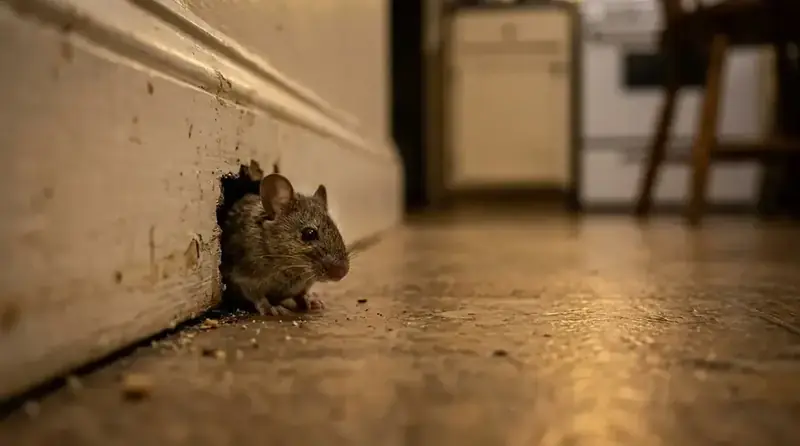
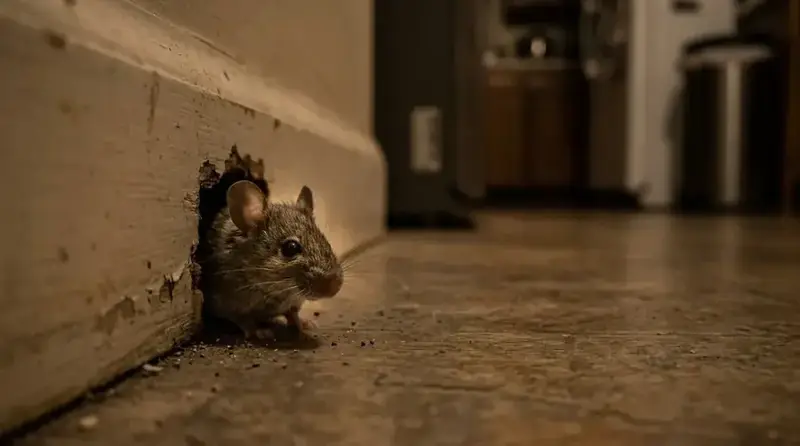
Signs include droppings 1/2 to 3/4 inch long, gnawing on wood, pipes or bins, greasy rub marks, burrows along foundations, and thumping in ceilings. Rats are bigger than mice and leave larger marks.
Find how they get in
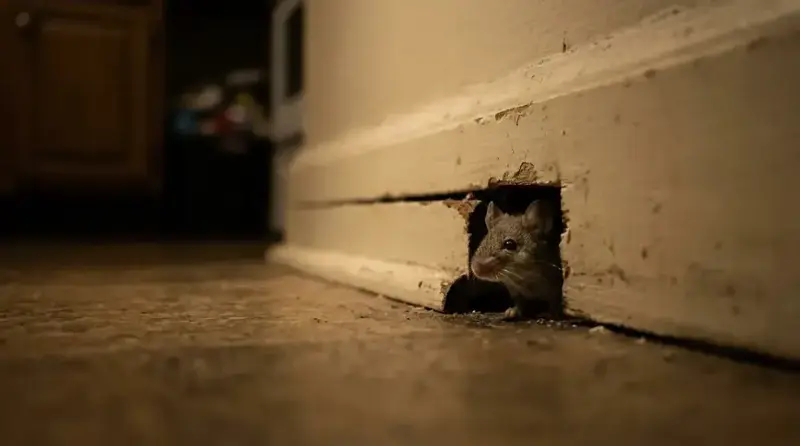
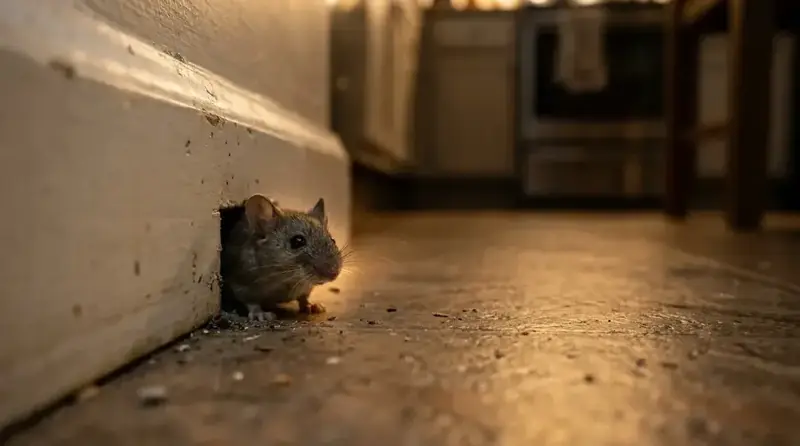
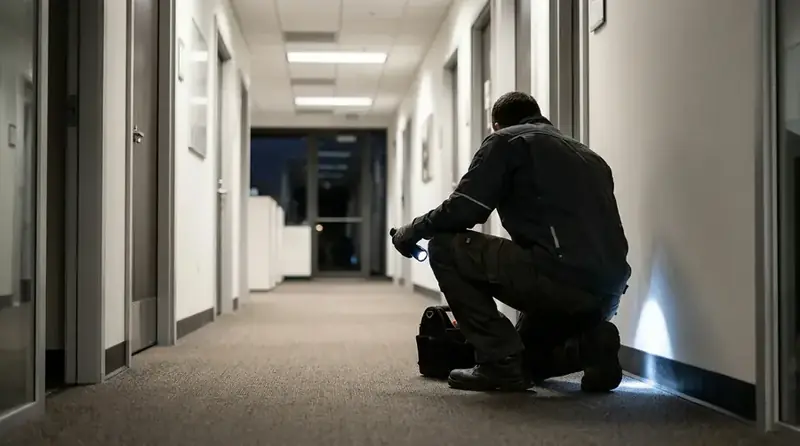
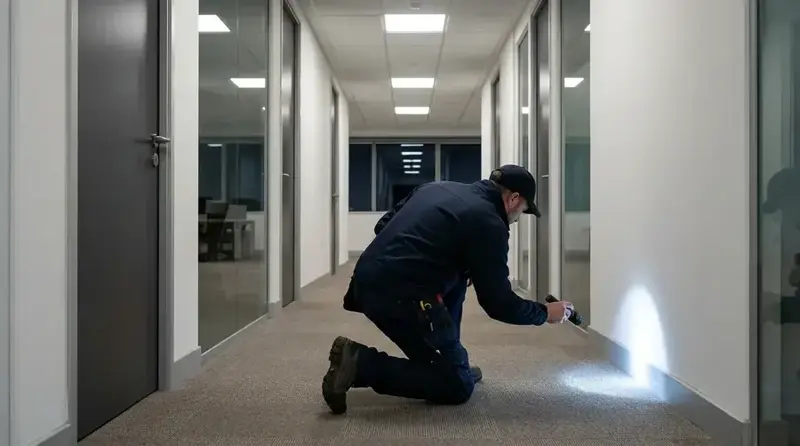
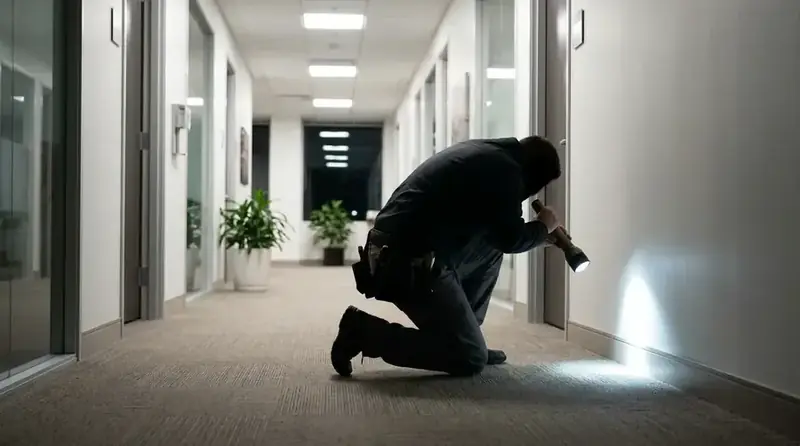
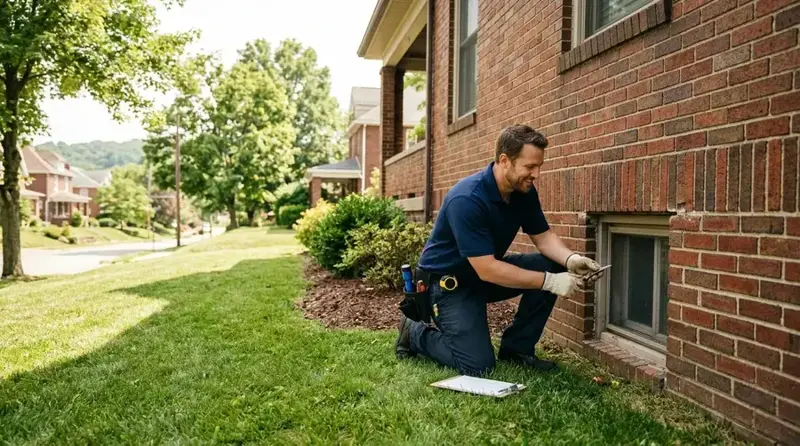
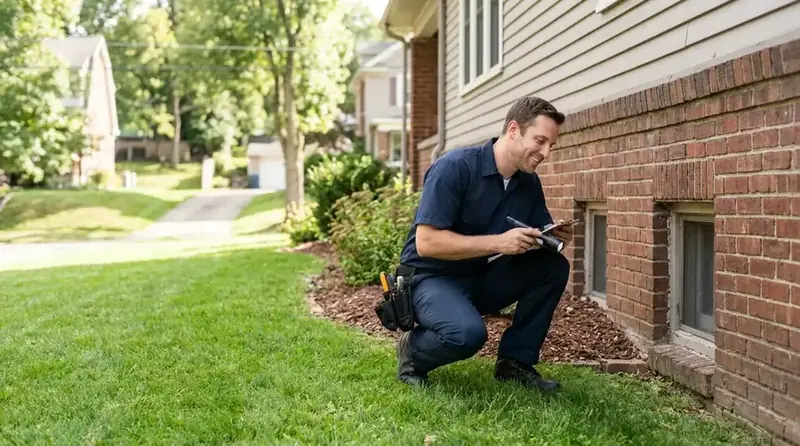
A rat can pass through a gap about the size of a quarter, roughly 1/2 inch. Check pipe openings, vents, damaged screens, garage doors and cracked foundations. Burrows in soil next to the foundation point to Norway rats.

Trap, do not guess
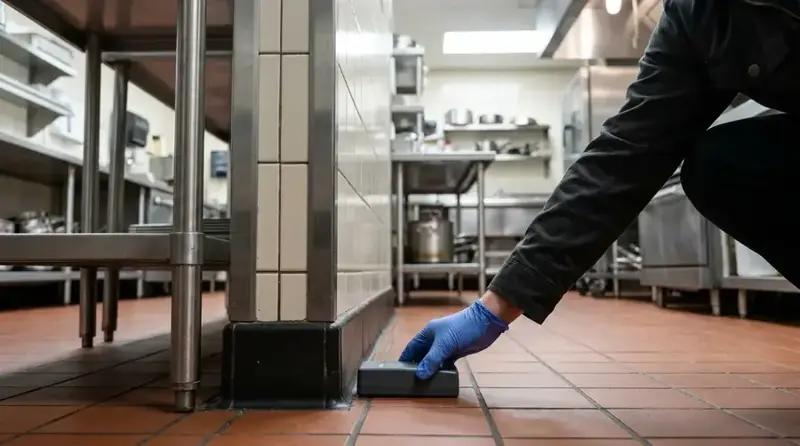
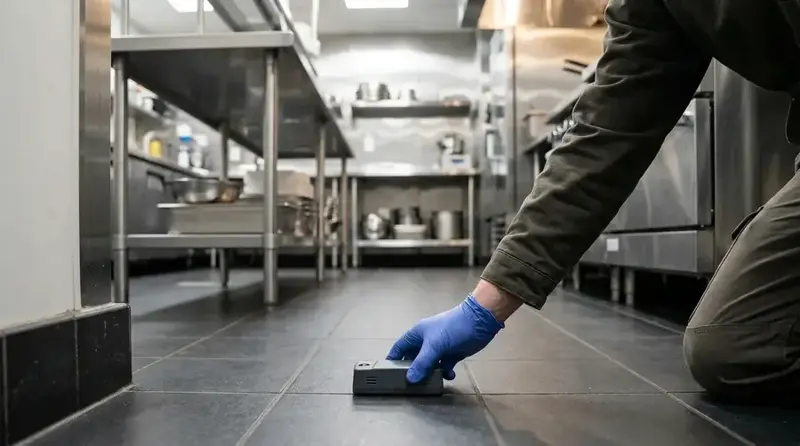
Rats avoid new objects, so leave unset traps in place for a couple of days, then set them with bait such as peanut butter or a bit of dried fruit. Place traps along walls on routes rats use. Use rat sized snap traps, not mouse traps.
Seal with metal
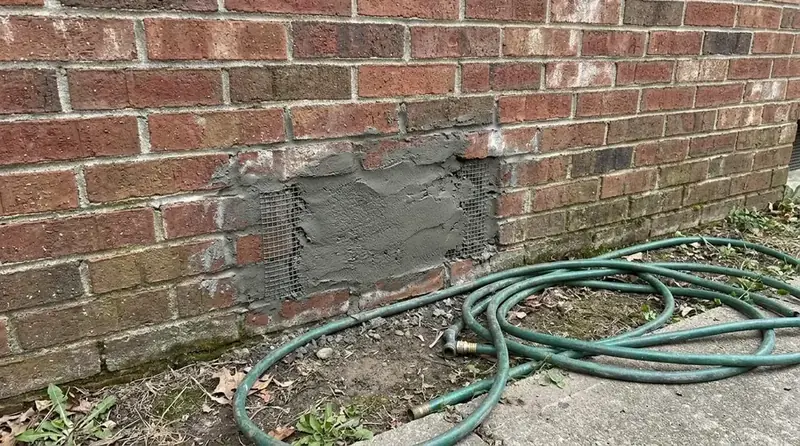
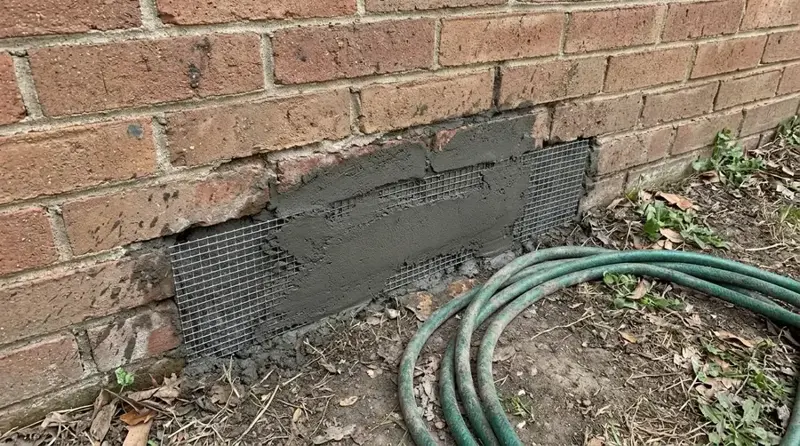
Rats chew through wood, plastic and foam. Use steel mesh, sheet metal or concrete to seal gaps. Do this after trapping so you do not lock animals inside.
Remove food and shelter
Close trash lids, pick up pet food at night, clean up fallen fruit and seed, and remove clutter near walls. Fix leaking pipes.
Why rats come back
Rats follow food and nesting sites. A single open gap or an overflowing bin invites new ones. Ongoing prevention and monitoring keep them away.
Why rats are harder than mice
Rats are larger, stronger and more cautious. They avoid new objects, chew through soft materials and live in family groups. They also range further, so the nest may be outside in a burrow or in a neighbor's wall. This is why many rat jobs need exterior work as well as indoor trapping.
Costs, timing and follow up
A professional rat program usually includes inspection, trapping, sealing and one or more follow up visits. Timing depends on the size of the population, often two to four weeks. Costs vary with the number of entry points and the size of the property, so ask for a written quote.
Long term prevention
Keep trash bins closed, secure compost, trim vegetation off the walls, store pet food indoors and repair broken drains. Walk the exterior in spring and fall to find new burrows or gaps, and act early.
A practical week by week outline
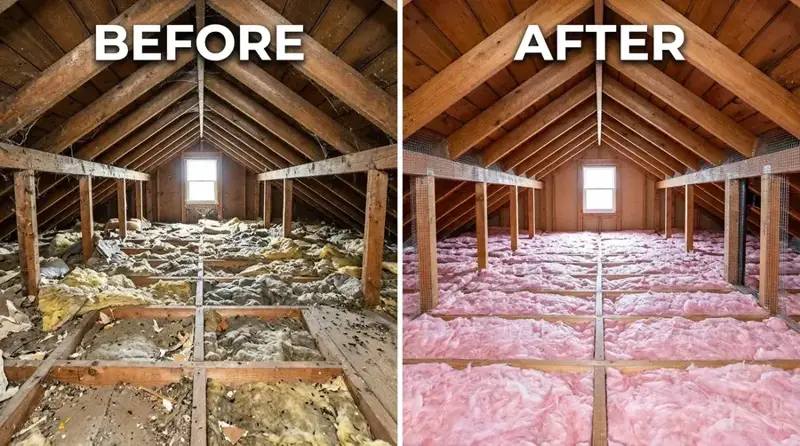
Week one: inspection, pre baiting of traps, and sealing of obvious openings. Week two: set traps, check daily, and remove animals. Week three: complete sealing with metal, repair damage and clean droppings. Week four: follow up inspection and removal of equipment. Long infestations or large buildings may need more time and exterior work such as burrow treatment.
What a professional adds
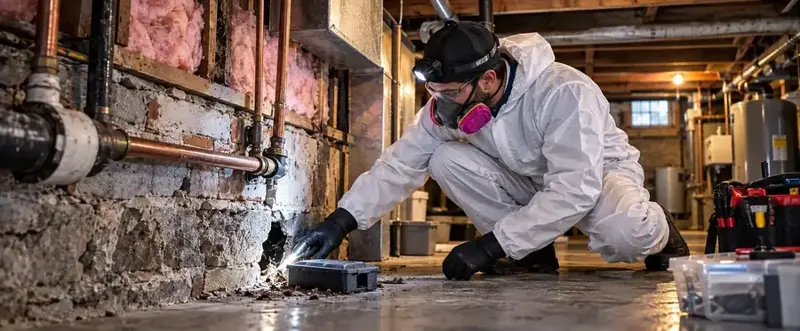
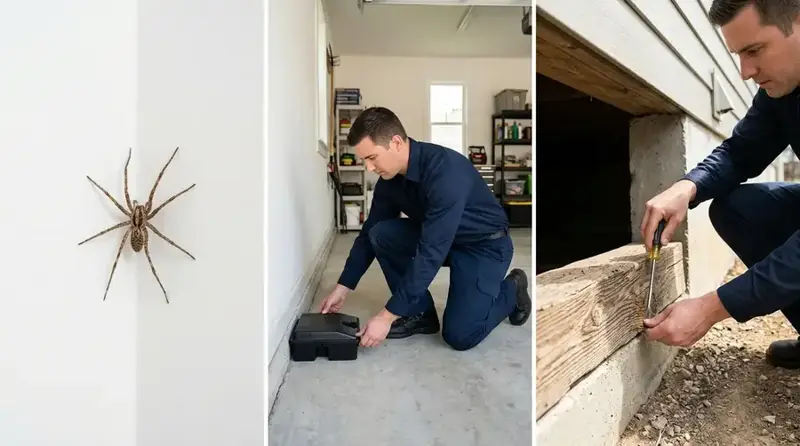
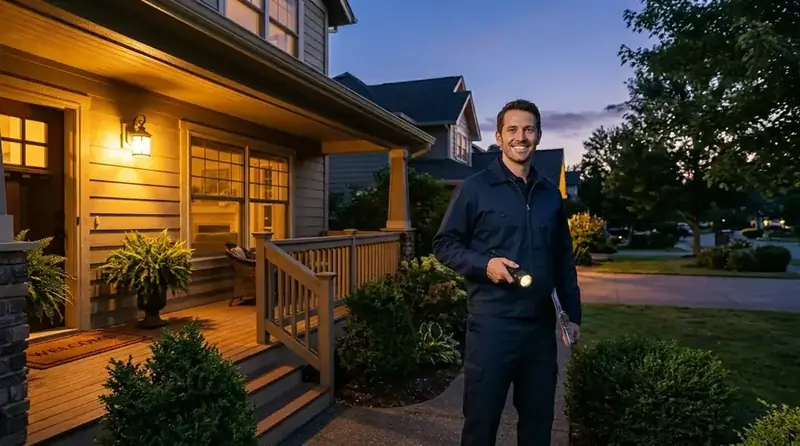
A technician can recognize rub marks and tunnels you may miss, work safely in attics and crawl spaces, use tamper resistant equipment and document the work. For landlords and businesses the paper trail can matter during inspections.
Warning signs by room
Kitchen: gnawed bags and droppings behind appliances. Basement: burrow holes and greasy marks. Attic: thumping and droppings on beams. Garage: chewed wires and stored food. Knowing where to look speeds up the inspection.
Legal and landlord angles
Renters should report in writing, keep dated photos and copies of service records. Owners of multi unit buildings are usually responsible for pest control in common areas and structure. Keep documentation in case of inspection.
Norway rats versus roof rats in your home
Norway rats live low: basements, ground floors, crawl spaces and yards. They burrow, and you may see holes beside the foundation. Roof rats live high: attics, upper floors, trees and utility lines. You may hear them overhead at night. This difference changes your plan. Norway rat jobs focus on the foundation, drains and burrows. Roof rat jobs focus on the roofline, trees and vents.
The pre baiting step many people skip
Rats are wary of anything new. If you set a trap right away, a rat may ignore it for days or learn to avoid it. Place the trap with bait but wedged open or unset for two to three days. When bait is being taken, set the trap. This builds trust in the object and raises your catch rate considerably.
Sealing materials that stand up to rats
Rats chew wood, plastic, foam and soft metals. Use heavy gauge hardware cloth, steel plate, copper mesh packed tightly, concrete and brick mortar for larger holes. For pipe penetrations, use metal collars sealed with rodent rated sealant. Seal after trapping so you do not trap animals inside the walls.
Dead rats and odor
If a rat dies in a wall, the odor can last a week or two. Locate the smell and, if possible, open a small access hole to remove the body. Disinfect and deodorize the area. A professional can use tools to find the source and handle the cleanup with proper protection.
When rats keep coming back
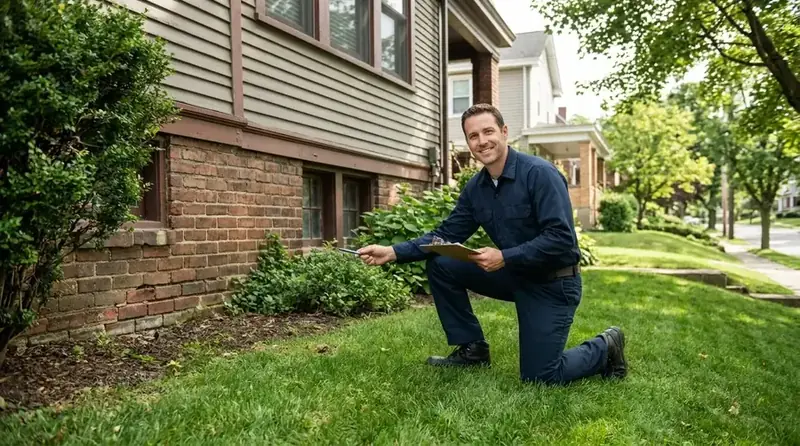
The cause is usually an unfixed food source, a nearby burrow system or a gap you have not found. Walk the exterior in daylight and look for gaps, holes and trash. Talk to neighbors. In dense areas, rats may move from nearby buildings, so a coordinated response helps.
Frequently Asked Questions
Can I get rid of rats myself?
A small problem may be manageable, but larger ones and burrows usually need a professional.
Is rat poison a good idea?
It can poison pets, wildlife and children, and rats may die in walls. Traps are safer in most homes.
How long does it take?
Often two to four weeks, depending on the population.