Rodents in the Attic: Rats and Mice, Signs and Solutions
Attic noises at night usually mean rats or mice, while daytime thumping may point to squirrels. We treat rats and mice.
- Who is up there?
- Signs
- Entry points
- Removal
- Insulation and wires
- Prevention
- Safety in the attic
- Cleanup and insulation
- Preventing a return
- What to look for during an inspection
- Attic noise at night
- Fire and electrical risk
- Roof and vent repairs
- How to tell what is in the attic
- Why attics attract rodents
- The professional process
- Risks of waiting
- Prevention checklist
- Attic signs to check
- Entry points on the roof
- Cleanup and insulation
- Roof rats, mice and squirrels in attics
- Safety in the attic
- Keeping notes that help
Who is up there?
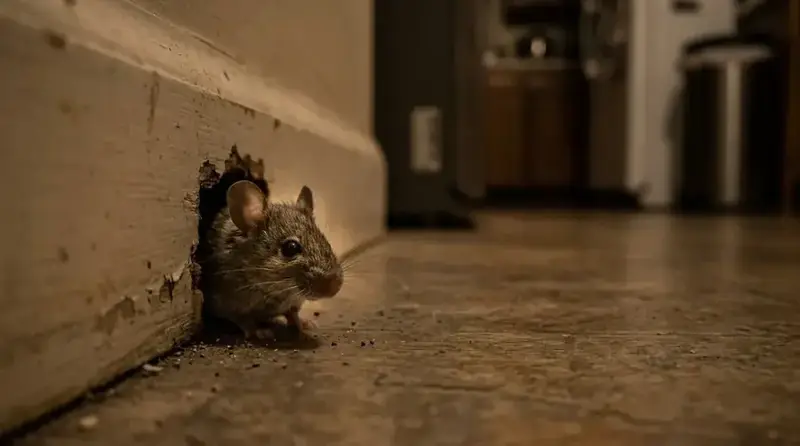
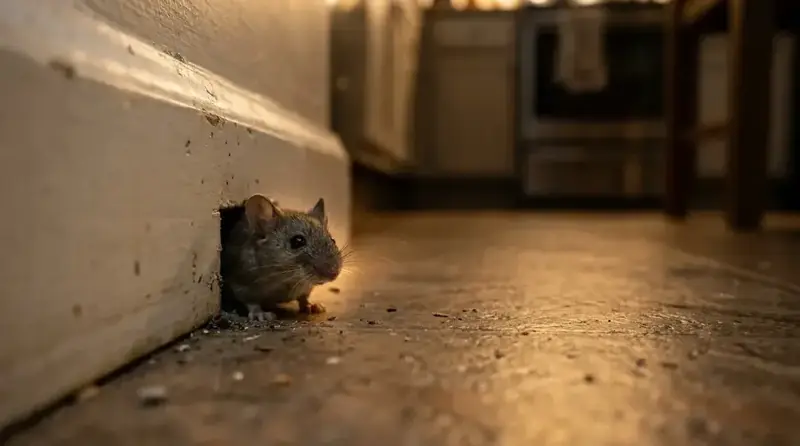
Rats and mice are nocturnal. Squirrels are active in the day. Scratching at dusk and night suggests rodents.
Signs
Droppings, torn insulation, gnawed wires, greasy rub marks and odors.
Entry points
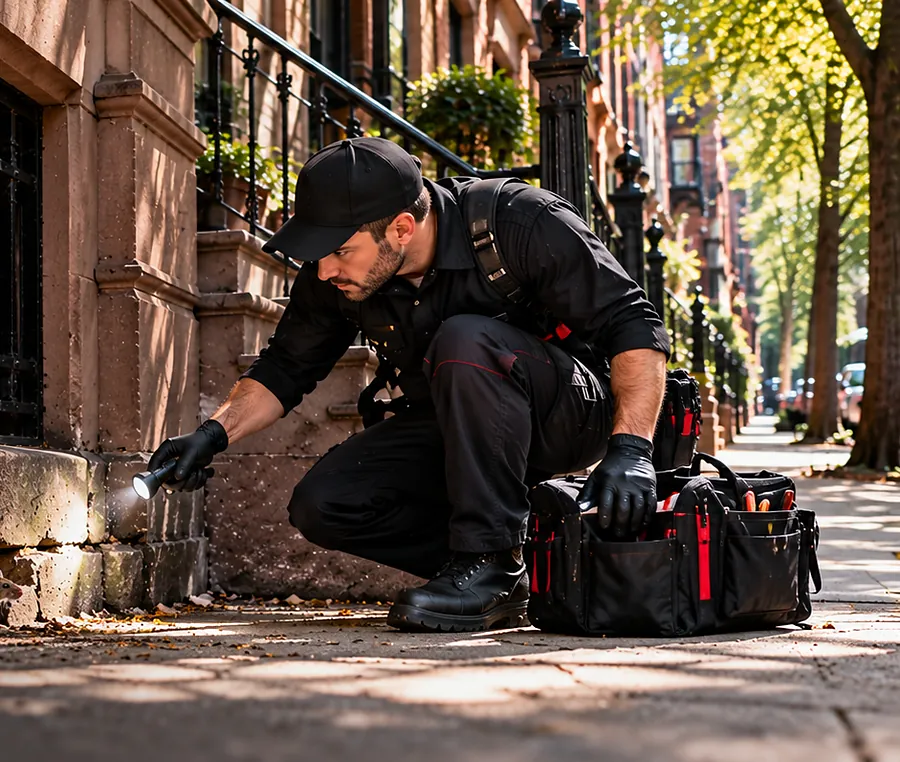
Roof vents, soffits, gaps around chimneys and rooflines. Roof rats climb trees to reach them.
Removal
Trap in the attic, then seal all openings with metal. Do not seal before animals are out.
Insulation and wires
Soiled insulation may need replacement. Chewed wires can be a fire risk and should be checked.
Prevention
Trim branches, screen vents and inspect after storms.
Safety in the attic
Attics may have exposed wires, weak floors and contaminated insulation. Wear gloves, a mask and eye protection and avoid stepping off joists. For large infestations, hire a professional.
Cleanup and insulation
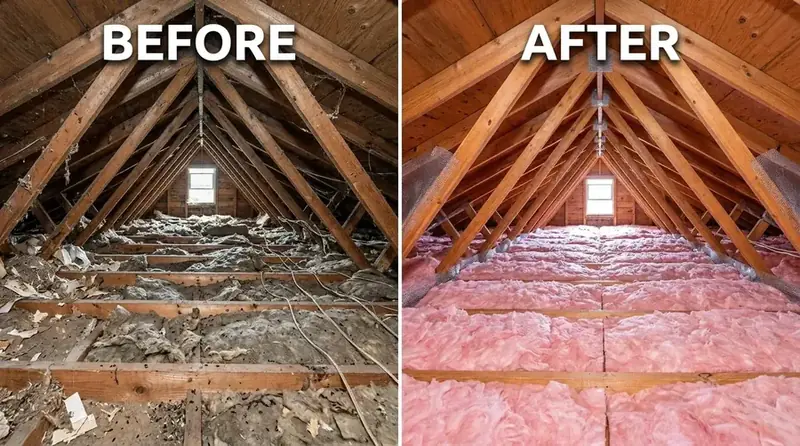
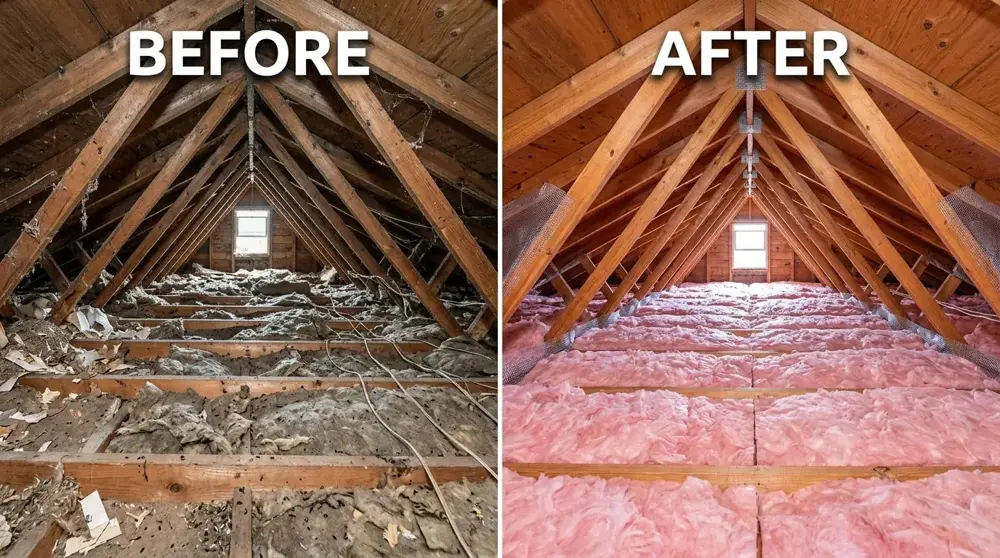
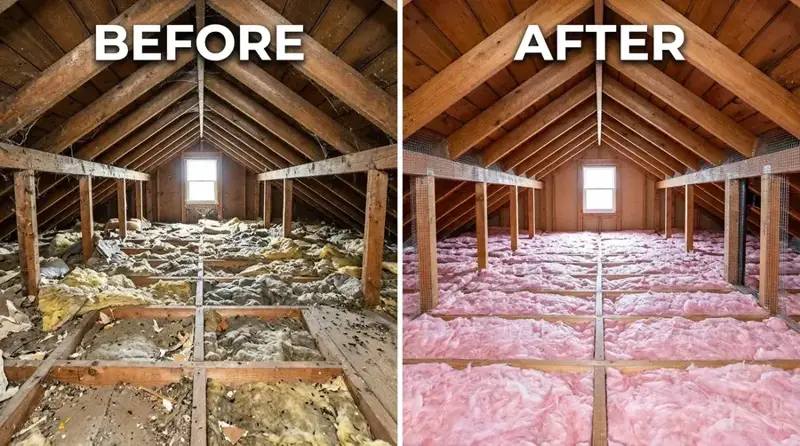
Soiled insulation holds odor and germs. After rodents are removed, vacuum with a HEPA vacuum made for the job, remove contaminated material and replace it. Disinfect where needed.
Preventing a return
Trim branches near the roof, screen vents, cap chimneys and repair soffits and fascia. A yearly inspection catches new gaps early.
What to look for during an inspection
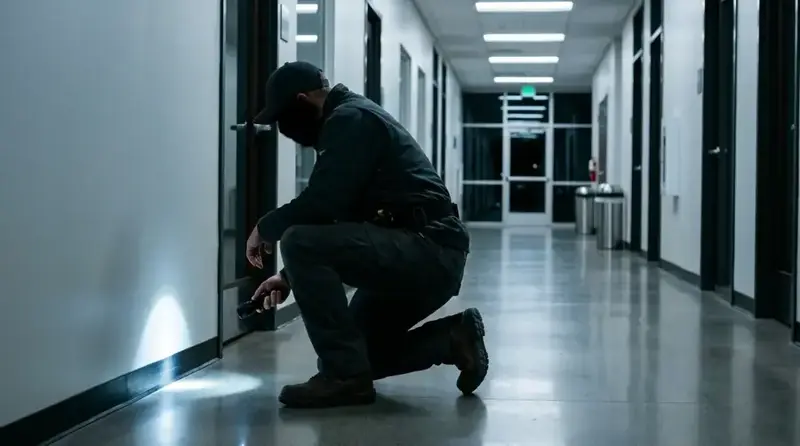
Chewed wiring, trails in insulation, droppings along beams, nests of shredded material, grease marks at entry points and daylight through gaps. Use a flashlight and move slowly.
Attic noise at night
Scratching, pattering and gnawing at night point to rats and mice. Rolling or thumping in the morning may be squirrels, which need a wildlife professional. Knowing the difference saves time.
Fire and electrical risk
Rodents chew wires. Exposed wires and nests near them are a fire risk. If you see damaged insulation on cables, call an electrician.
Roof and vent repairs
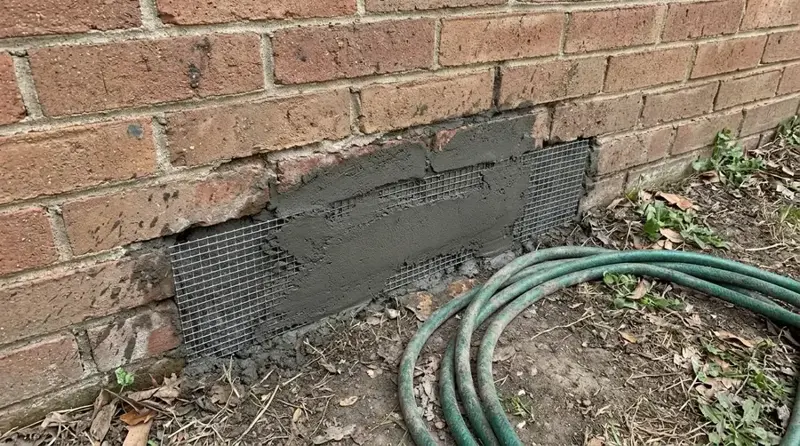
Install metal screens on vents and fill gaps in soffits. Check roof valleys and flashing. Use materials that rodents cannot chew.
How to tell what is in the attic
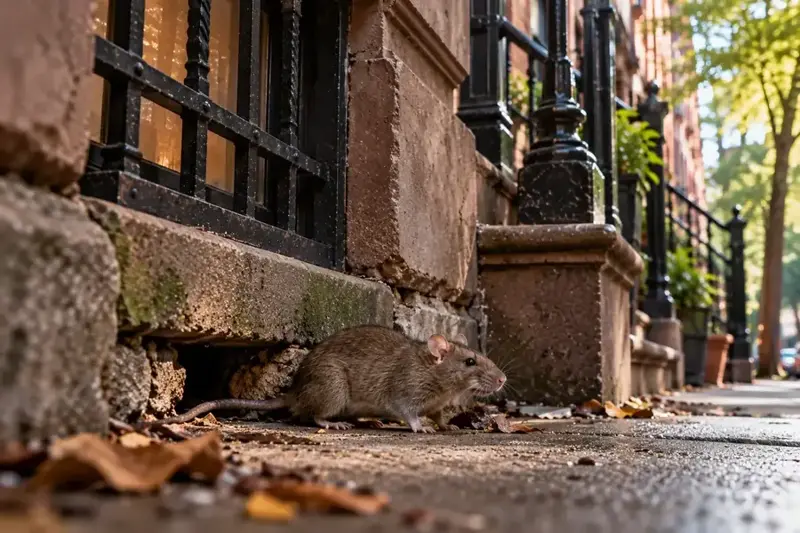
Rats and mice are nocturnal and scratch, scurry and gnaw mostly at night. Squirrels are active at daybreak and in daylight, with heavier thumping and rolling sounds. Roof rats are common in warm regions and nest high. Droppings help: mouse droppings are rice sized, rat droppings are larger and capsule shaped. If noises happen in the day and droppings are large and few, squirrels may be involved, and we do not treat squirrels.
Why attics attract rodents
Attics are warm, quiet and full of insulation for nesting. Gaps at roof edges, soffits, ridge and gable vents, chimney flashing and utility penetrations give access. Tree limbs that touch the roof let roof rats climb. Stored boxes and old furniture offer cover.
The professional process
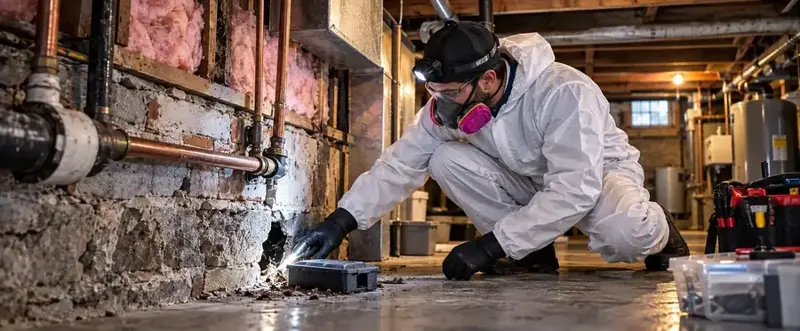
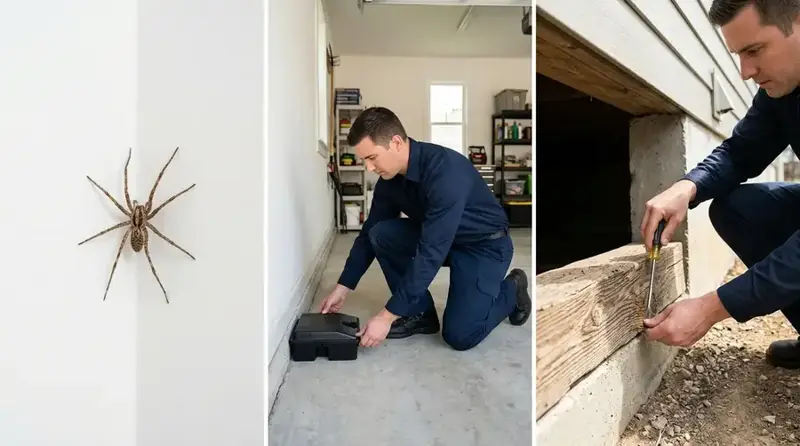
A technician inspects the roofline and attic, maps droppings and runways, and finds every entry point. Traps are set on routes and checked often. Once activity stops, openings are sealed with metal and durable materials. Insulation that is soiled is removed and replaced, and the area is disinfected.
Risks of waiting
Rodents chew electrical wiring, which can cause shorts and fires. Urine and droppings contaminate insulation and can send odor and dust into living areas through ducts and vents. Heating and cooling efficiency drops when insulation is compacted or soaked.
Prevention checklist
Trim branches at least six feet from the roof, install screens on vents, cap chimneys, repair rotten fascia and soffit, seal gaps at plumbing stacks, and inspect the attic each fall. Our attic rodent removal service covers trapping, sealing and cleanup.
Attic signs to check
Droppings on insulation, urine stains, tunnels in insulation, gnawed wood, chewed wires and noises at night. Rats leave larger droppings and greasy rub marks on beams.
Entry points on the roof
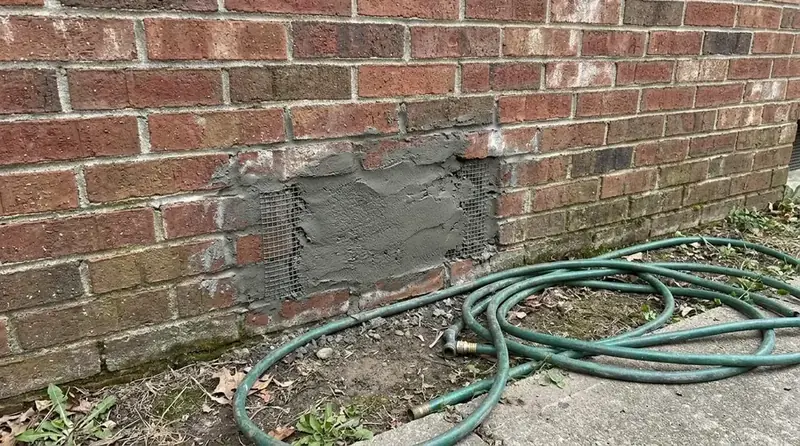
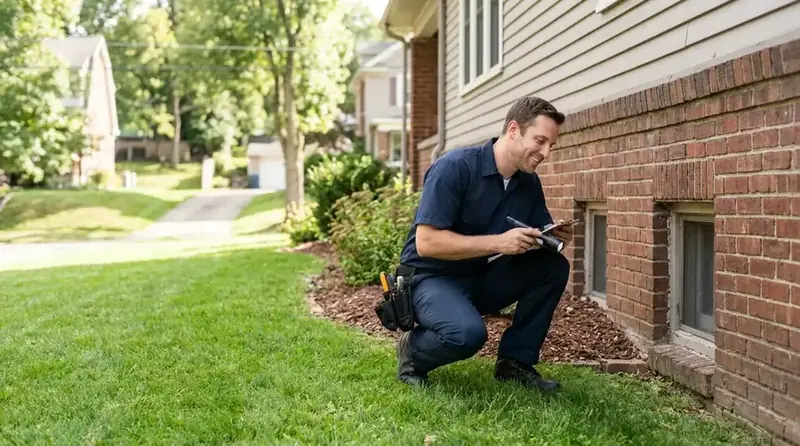
Look at roof vents, gable vents, soffits, chimney flashing and gaps where wires enter. Trim branches near the roof. Cover vents with hardware cloth.
Cleanup and insulation
Remove soiled insulation with protective gear. Disinfect. Replace with new material. Large attics should be cleaned by professionals.
Roof rats, mice and squirrels in attics
Roof rats leave larger droppings and greasy marks and are heard at night. Mice leave tiny droppings and are quieter. Squirrels are active by day and leave bigger nesting piles. Identification matters, because squirrels need a wildlife specialist while rats and mice are pest control matters. Photograph droppings, note noise timing and tell the provider what you found. This saves a wasted visit.
Safety in the attic
Walk only on joists, wear a mask and gloves, use a headlamp and avoid touching wires. If the attic is hot or tight, hire a professional.
Keeping notes that help
After sealing and cleanup, check the attic every month for the first season. Look for fresh droppings, new gnaw marks and disturbed insulation. A small notebook of dates and findings shows whether the repairs hold and tells a technician exactly where to look if something changes.
Frequently Asked Questions
Are rats in the attic dangerous?
They can carry germs and chew wiring.
Do you handle squirrels?
No. Use a wildlife specialist.
Should I clean the attic?
Yes, after removal, with proper protection.