7:00 AM to 1:00 AM ET, Every Day Calls answered 7 AM to 1 AM ET 347-795-3007
Rat Guides

Rat Facts: Size, Diet, Lifespan and Behavior of Norway and Roof Rats
By the NYC Rodent Control team · Published 2026-11-03 · Updated 2026-11-09

Rat Guides: Rat Facts: Size, Diet, Lifespan and Behavior of Norway and Roof Rats

Knowing how rats live helps you stop them. Rats are intelligent, cautious and persistent, and their habits explain why simple tricks often fail.

Size comparison

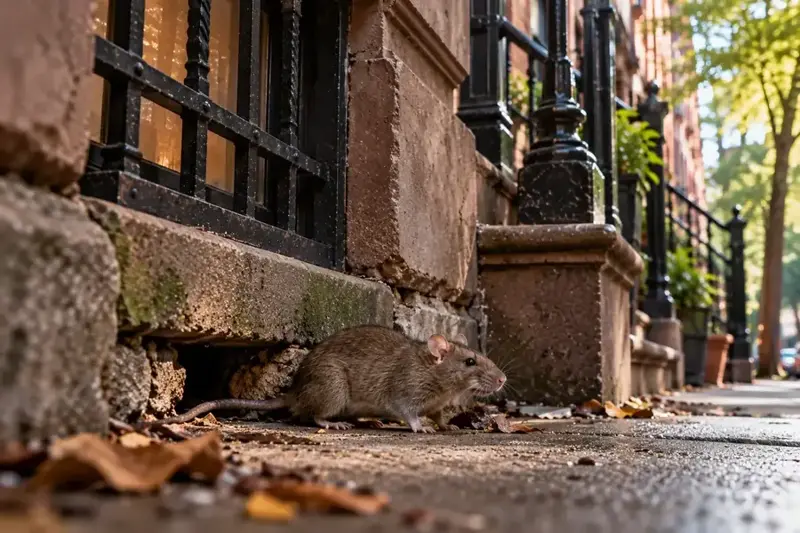
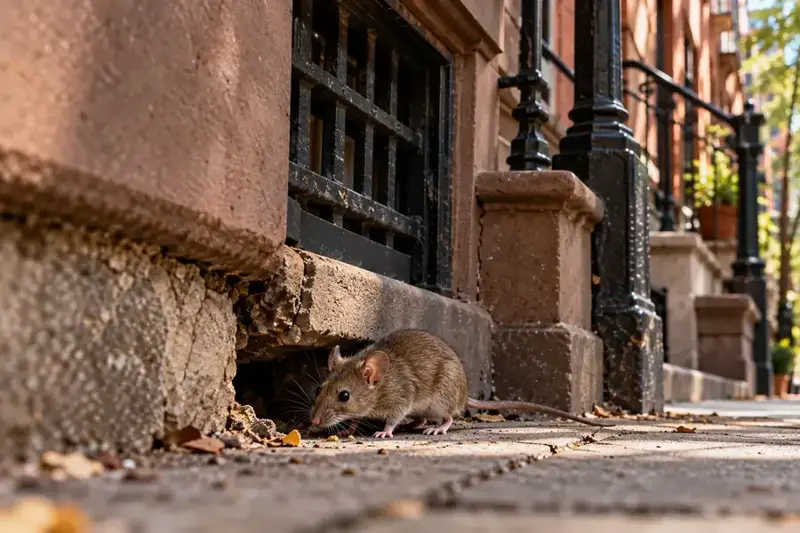
Norway rats are heavy bodied, 7 to 9.5 inches long with a shorter tail, and weigh up to a pound or more. Roof rats are slimmer, 6 to 8 inches long, with a tail longer than the body and larger ears. Both are far bigger than mice.

What rats eat

Rats eat almost anything: grains, meat, fruit, pet food, garbage, compost and bird seed. A rat needs about an ounce of food and a similar amount of water daily. Norway rats favor ground level food and roof rats prefer fruit and nuts above ground.

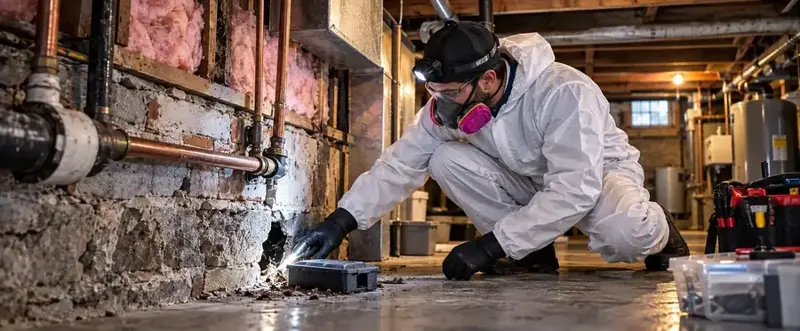
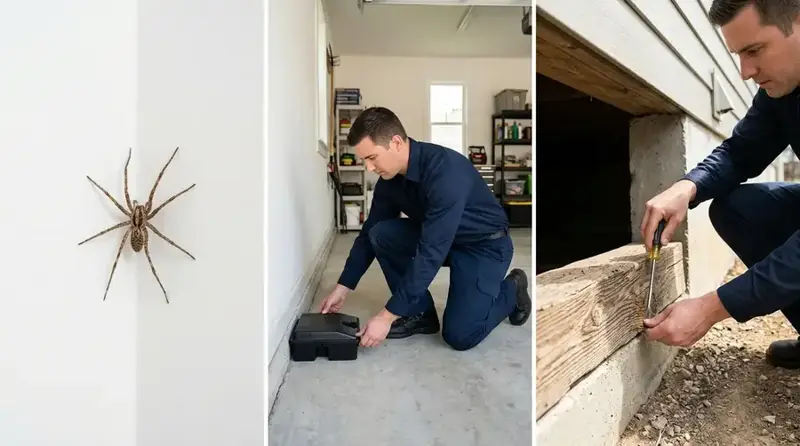
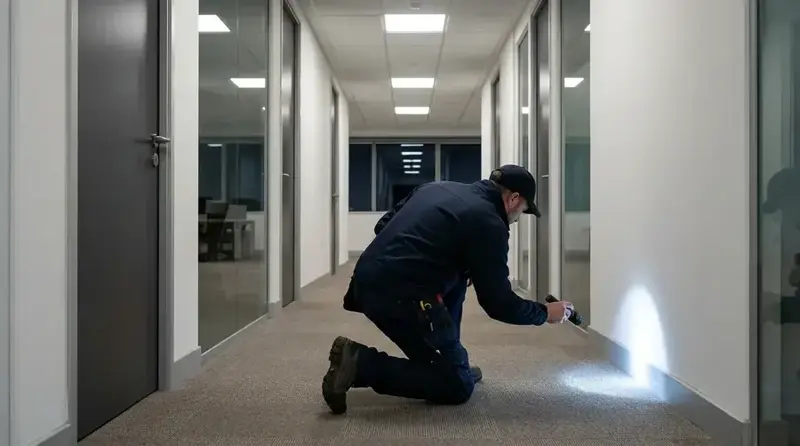
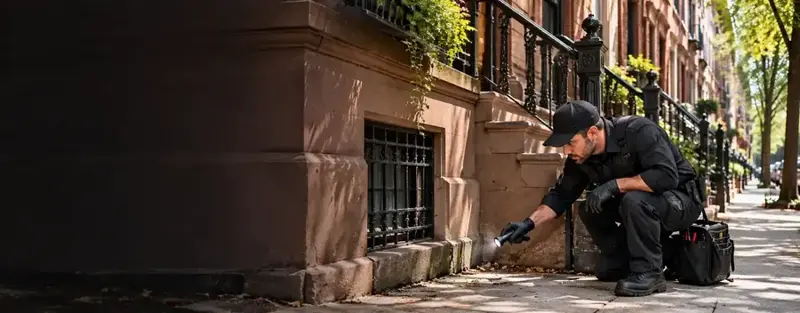
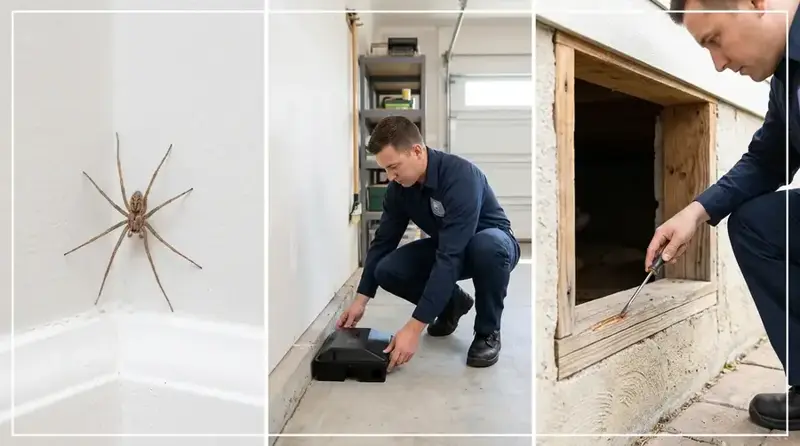
Technician performing a rodent inspection in NYC (illustrative image)

Lifespan and breeding

Wild rats usually live about a year or less because of predators and conditions. A female can have several litters a year with six to twelve pups, and pups mature in a few months.

Behavior

Rats are neophobic, meaning they avoid new objects for days. They follow the same paths, leave grease marks, gnaw to wear down teeth and can climb, swim and squeeze through gaps about the size of a quarter. They are most active at night.

Where they live

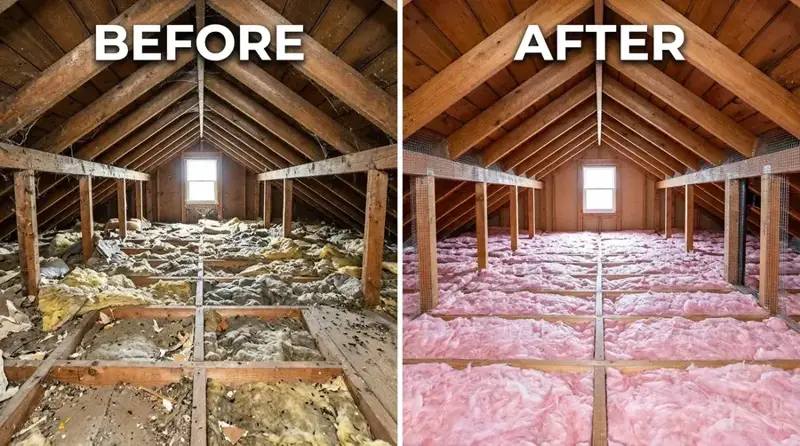
Norway rats burrow in soil and basements. Roof rats nest in attics, trees and rooflines. Both enter homes in search of food and warmth. A colony can include dozens of rats.

Why this matters for control

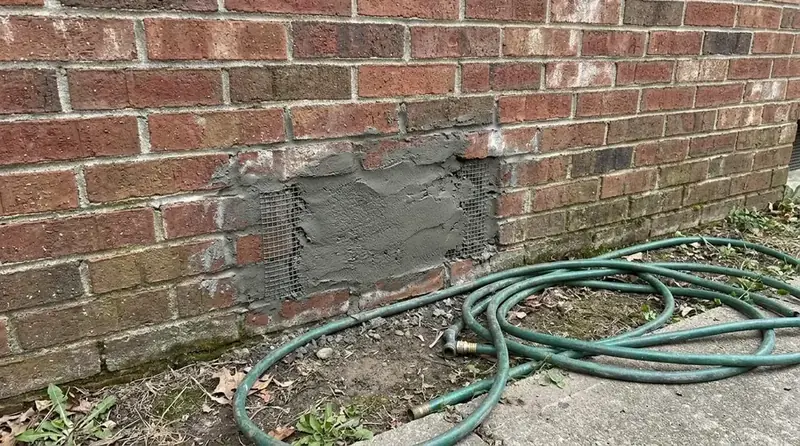
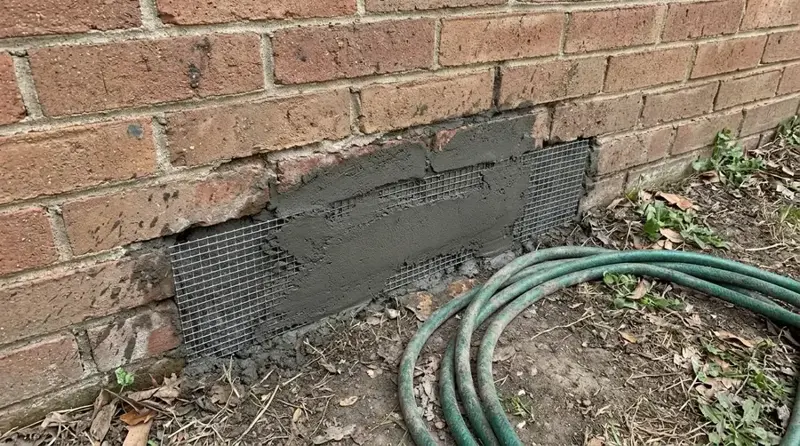
Because rats are cautious, traps need pre baiting and careful placement. Because they gnaw, sealing needs metal. Because they follow paths, trapping along runways works better than scattering traps.

Health and property

Rats can contaminate food, damage wiring and spread illnesses such as leptospirosis and salmonella. Safe cleanup and prompt removal are important.

Norway rat versus roof rat in detail

The Norway rat, also called the brown or sewer rat, is thick and heavy, with small ears, a blunt nose and a tail shorter than its body. It prefers to live low, in burrows, basements, sewers and ground level spaces. The roof rat, or black rat, is slim with large ears, a pointed nose and a tail longer than the body. It prefers to live high, in trees, attics, rafters and upper floors. In northern cities such as New York, the Norway rat is the main species, while roof rats are more common in warm coastal areas of the south and west. Knowing which one you have changes where you look and which traps you use.

Senses and physical abilities

Rats have strong smell and hearing and decent touch through whiskers. They can squeeze through a hole the size of a half dollar, and roof rats can fit through gaps about the width of a quarter. They are strong swimmers, able to tread water for days and swim through plumbing traps. They can climb pipes, wires and rough walls, and jump vertically about three feet. They can fall from several floors and survive. They gnaw hard materials such as lead pipe, aluminum, concrete block edges and wood.

Social structure

Rats live in colonies with a hierarchy. Dominant animals take the best nest sites and feeding spots. Young and weaker animals are pushed to the edges, which is why a colony that is disturbed or reduced can spill into nearby buildings. This also explains why, when you remove some rats, others may move in to fill the vacancy unless the food and shelter are removed. Colonies can number from a handful to dozens, and a single burrow system can have many entrances.

Feeding habits and trap shyness

Rats are cautious eaters. They sample new foods in small amounts and wait before returning. They also avoid new objects, a trait called neophobia, which can last several days. A trap set in a rat's path may be ignored until it becomes part of the scene. This is why professionals pre bait, leaving traps unset with food for a time, then set them. It also explains why rats can seem to ignore poison, as the first rats to sample it may become sick and signal to others to avoid it.

Seasonal behavior

Rats are active all year. In cooler months they move indoors in search of warmth, increasing sightings in basements and kitchens. In spring and summer, breeding and food supplies grow, and populations peak in late summer and early fall. Construction, sewer work and flooding disturb burrows and push rats toward buildings. Tracking these seasonal patterns helps in planning inspections and exclusion work.

Why rats thrive in cities

Cities supply plenty of food from restaurants, residential trash and street litter, with shelter in sewers, subway tunnels, basements and gaps in old buildings. Trash bags left on the curb are an open buffet. Dense housing allows rats to move easily from building to building. Reducing food access through sealed bins, containerized trash and prompt cleanup is the most effective way to reduce rat numbers, alongside exclusion and trapping.

Dealing with this right now?

Our rat control service handles exactly this: professional inspection, written quote.

Frequently Asked Questions

How big do rats get?

Norway rats can reach a pound or more.

How long do rats live?

About one year in the wild.

What do rats eat?

Almost anything, especially garbage and pet food.

Why are rats hard to trap?

They avoid new objects until they get used to them.
NYC
NYC Rodent Control Team

Pest management professionals serving all five boroughs from Greenpoint, Brooklyn. We publish what we learn on the job. Read more about us or browse our services.

Keep Reading

Related Guides

How to Get Rid of Rats in NYC: What Works in 2026
Rat Guides

How to Get Rid of Rats in NYC: What Works in 2026

Read Article →
Mice in Apartment NYC: 7 Signs and What To Do
Mouse Guides

Mice in Apartment NYC: 7 Signs and What To Do

Read Article →
Rodent Control Cost NYC 2026: Rat & Mouse Exterminator Prices
Cost Guides

Rodent Control Cost NYC 2026: Rat & Mouse Exterminator Prices

Read Article →
Diseases Spread by Rats and Mice in NYC and How to Stay Safe
Health Risks

Diseases Spread by Rats and Mice in NYC and How to Stay Safe

Read Article →
Leptospirosis in NYC: Rats, Symptoms and Prevention
Health Risks

Leptospirosis in NYC: Rats, Symptoms and Prevention

Read Article →
Mice, Allergies and Asthma in NYC Apartments
Health Risks

Mice, Allergies and Asthma in NYC Apartments

Read Article →
How Mice Get Into a House: Entry Points Technicians Find First
Mouse Guides

How Mice Get Into a House: Entry Points Technicians Find First

Read Article →
Whole Building vs One Unit: Rodent Control Pricing in NYC
Homeowner Guides

Whole Building vs One Unit: Rodent Control Pricing in NYC

Read Article →
Dead Mice in a Wall Heater or Radiator: Removal and Cleanup
Health Risks

Dead Mice in a Wall Heater or Radiator: Removal and Cleanup

Read Article →
One Mouse in the Building: Is It an Infestation?
Mouse Guides

One Mouse in the Building: Is It an Infestation?

Read Article →
Hantavirus From Mice and Rats: Risk, Symptoms and Safety in NYC
Health Risks

Hantavirus From Mice and Rats: Risk, Symptoms and Safety in NYC

Read Article →
Rat Bite Fever: Symptoms, Causes and What to Do After a Bite
Health Risks

Rat Bite Fever: Symptoms, Causes and What to Do After a Bite

Read Article →
LCMV From House Mice: What It Is and How to Lower the Risk
Health Risks

LCMV From House Mice: What It Is and How to Lower the Risk

Read Article →
Salmonella From Mice and Rats: Food Contamination and What to Throw Away
Health Risks

Salmonella From Mice and Rats: Food Contamination and What to Throw Away

Read Article →
Plague, Fleas and Rats: Is There Any Risk in NYC Today?
Health Risks

Plague, Fleas and Rats: Is There Any Risk in NYC Today?

Read Article →
Symptoms After Rodent Exposure: When to See a Doctor
Health Risks

Symptoms After Rodent Exposure: When to See a Doctor

Read Article →
How to Get Rid of Mice: A Step by Step Plan
Mouse Guides

How to Get Rid of Mice: A Step by Step Plan

Read Article →
What Does Mouse Poop Look Like? Size, Color and Age
Mouse Guides

What Does Mouse Poop Look Like? Size, Color and Age

Read Article →
Do Mouse Repellents Work? Peppermint, Ultrasonic, Bleach, Borax
Mouse Guides

Do Mouse Repellents Work? Peppermint, Ultrasonic, Bleach, Borax

Read Article →
How to Get Rid of Rats in the House: Complete Guide
Rat Guides

How to Get Rid of Rats in the House: Complete Guide

Read Article →
What Does Rat Poop Look Like? Identification Guide
Rat Guides

What Does Rat Poop Look Like? Identification Guide

Read Article →
Rat Traps: Types, Placement and Mistakes to Avoid
Rat Guides

Rat Traps: Types, Placement and Mistakes to Avoid

Read Article →
Best Mouse Traps: Snap, Electronic and Live Compared
Mouse Guides

Best Mouse Traps: Snap, Electronic and Live Compared

Read Article →
How to Catch a Mouse: Fast and Humane Options
Mouse Guides

How to Catch a Mouse: Fast and Humane Options

Read Article →
Types of Rodents in the US and Which Ones We Treat
Homeowner Guides

Types of Rodents in the US and Which Ones We Treat

Read Article →
Mice in Walls: Signs, Noise and How to Remove Them
Mouse Guides

Mice in Walls: Signs, Noise and How to Remove Them

Read Article →
Rat and Mouse Poison: Bait Stations and Pet Safety
Homeowner Guides

Rat and Mouse Poison: Bait Stations and Pet Safety

Read Article →
Mouse in the House? What to Do in the First 24 Hours
Mouse Guides

Mouse in the House? What to Do in the First 24 Hours

Read Article →
How to Keep Mice Out of Your House for Good
Homeowner Guides

How to Keep Mice Out of Your House for Good

Read Article →
Rodents in the Attic: Rats and Mice, Signs and Solutions
Homeowner Guides

Rodents in the Attic: Rats and Mice, Signs and Solutions

Read Article →
Rat and Mouse Urine Smell: How to Remove It
Homeowner Guides

Rat and Mouse Urine Smell: How to Remove It

Read Article →
How to Get Rid of Rats in the Backyard
Rat Guides

How to Get Rid of Rats in the Backyard

Read Article →
How Do Exterminators Get Rid of Mice? The Pro Process
Mouse Guides

How Do Exterminators Get Rid of Mice? The Pro Process

Read Article →
Field Mice in the House: How to Remove Them
Mouse Guides

Field Mice in the House: How to Remove Them

Read Article →
How Much Does Pest Control Cost? Prices by Pest and Plan
Cost Guides

How Much Does Pest Control Cost? Prices by Pest and Plan

Read Article →
Home Insect Control: What a Visit Covers
Homeowner Guides

Home Insect Control: What a Visit Covers

Read Article →
How to Get Rid of Roaches: Baits, Cleaning and Pros
Homeowner Guides

How to Get Rid of Roaches: Baits, Cleaning and Pros

Read Article →
Ant Bait Gel: How to Use It and When to Call a Pro
Homeowner Guides

Ant Bait Gel: How to Use It and When to Call a Pro

Read Article →
Do Dehumidifiers Help With Silverfish? Humidity Control
Homeowner Guides

Do Dehumidifiers Help With Silverfish? Humidity Control

Read Article →
Mosquito Control Around Your Home: What Works
Homeowner Guides

Mosquito Control Around Your Home: What Works

Read Article →
Wildlife Control Near Me: What We Treat and What We Do Not
Homeowner Guides

Wildlife Control Near Me: What We Treat and What We Do Not

Read Article →
Mouse Infestation: How Many Mice, Where Nests Hide, When It Is Serious
Mouse Guides

Mouse Infestation: How Many Mice, Where Nests Hide, When It Is Serious

Read Article →
Rats in Walls: What They Sound Like and How to Remove Them
Rat Guides

Rats in Walls: What They Sound Like and How to Remove Them

Read Article →
How to Dispose of a Dead Mouse or Rat Safely
Homeowner Guides

How to Dispose of a Dead Mouse or Rat Safely

Read Article →
Rodents in the Crawl Space and Garage: Signs and Fixes
Homeowner Guides

Rodents in the Crawl Space and Garage: Signs and Fixes

Read Article →
House Mouse Facts: Size, Lifespan, Diet and Whether They Are Harmful
Mouse Guides

House Mouse Facts: Size, Lifespan, Diet and Whether They Are Harmful

Read Article →
Pest Control Sprays and Insect Control Products: What Works and Safety
Homeowner Guides

Pest Control Sprays and Insect Control Products: What Works and Safety

Read Article →
When to Call an Exterminator for Mice: Clear Signs and Costs
Mouse Guides

When to Call an Exterminator for Mice: Clear Signs and Costs

Read Article →
Rat Birth Control: Does ContraPest Work and Where It Is Used
Rat Guides

Rat Birth Control: Does ContraPest Work and Where It Is Used

Read Article →
Rodents Chewing Car Wires: Signs, Repair Costs and How to Stop Them
Homeowner Guides

Rodents Chewing Car Wires: Signs, Repair Costs and How to Stop Them

Read Article →
Related Pages

More Help Near You

Sources

Sources And References

Health, safety and method guidance on this page follows public information from these organizations. We recommend reading them for background.

Map

Our Brooklyn Office Location

Our base is Unit 9, 66 Greenpoint Ave, Brooklyn NY 11222. Calls are answered 7 AM to 1 AM ET. Open in Google Maps.

Call Now: 347-795-3007