Mosquito Control Around Your Home: What Works

Mosquitoes breed in small amounts of standing water. Removing it is the single most effective step.
- Remove standing water
- Yard care
- Barriers
- Personal protection
- Screens
- When to call
- A weekly routine
- Community help
- Health note
- Yard hotspots
- Professional programs
- Mosquito species and habits
- Safe repellent use
- How mosquitoes breed near a home
- A yard walk through checklist
- Reducing resting places for adults
- Protecting yourself and your family
- What a professional program adds
- Eliminating breeding sites
- Barriers and repellents
- Community and timing
- Choosing products and professional help
- Checking your yard in ten minutes
- Keeping notes that help
Remove standing water
Empty buckets, toys, saucers, bird baths and gutters weekly.
Yard care
Trim shrubs where adults rest and keep grass short.

Barriers
Professional treatments on foliage can reduce mosquitoes for weeks.
Personal protection
Use EPA registered repellents with DEET, picaridin or oil of lemon eucalyptus.
Screens
Repair window and door screens.
When to call
If mosquitoes are heavy even after water control, a professional can help.
A weekly routine
Walk the yard once a week. Tip out containers, refresh bird baths and clear gutters. Check tarps and plant saucers.
Community help
Mosquitoes travel. If a neighbor has standing water, tell them or contact the local mosquito control district.
Health note
Mosquitoes can spread illness in some areas. Use repellent and long sleeves when mosquitoes are active.
Yard hotspots
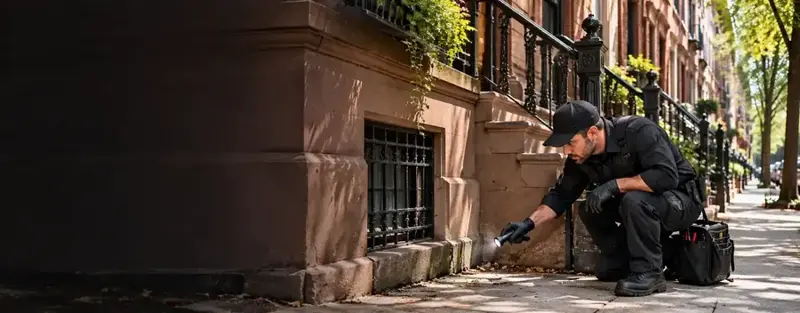
Clogged gutters, tarps, flower pot saucers, birdbaths, tire piles, wheelbarrows and low spots in the lawn. Empty or fix them.
Professional programs
Programs usually include larvicide in standing water that cannot be removed and barrier treatments in resting areas, repeated through the season.
Mosquito species and habits
Some species bite at dusk and dawn, others bite during the day. Knowing the species helps with timing of control and personal protection.
Safe repellent use
Follow label directions. Apply to skin and clothing as directed. Use extra caution on children.
How mosquitoes breed near a home
Female mosquitoes lay eggs on or near standing water. Eggs hatch into larvae within days, the larvae feed and grow, and adults emerge in about a week when the weather is warm. A bottle cap of water can be enough. Most yard mosquitoes in the United States fly only a few hundred feet from where they hatched, which is why the source is often on your own property or next door. Clearing water breaks the cycle before adults ever appear.
A yard walk through checklist
Once a week, walk the property and look at gutters, downspout extensions, flower pot saucers, birdbaths, kiddie pools, buckets, tarps, wheelbarrows, boat covers, clogged drains and low spots where water sits after rain. Dump, drain or flip anything that holds water. Refresh birdbaths and pet bowls every few days. Where water cannot be removed, such as a rain barrel, cover it with fine mesh. Ornamental ponds can hold fish that eat larvae or use a biological larvicide made for mosquitoes.
Reducing resting places for adults
Adults rest in cool, shaded, humid spots such as dense shrubs, tall grass, ivy and the undersides of leaves. Trim shrubs so air moves through them, mow regularly and thin ground cover along fences. Open, sunny, breezy yards are less friendly to mosquitoes. A fan on a patio can also reduce bites, because mosquitoes are weak fliers.
Protecting yourself and your family
Use a repellent registered with the EPA, with an active ingredient such as DEET, picaridin or oil of lemon eucalyptus, and follow the label, especially for children. Wear long sleeves and pants at dawn and dusk. Repair torn window and door screens and keep doors closed in the evening. In some areas mosquitoes can spread illness, so check guidance from your local health department during outbreaks.
What a professional program adds
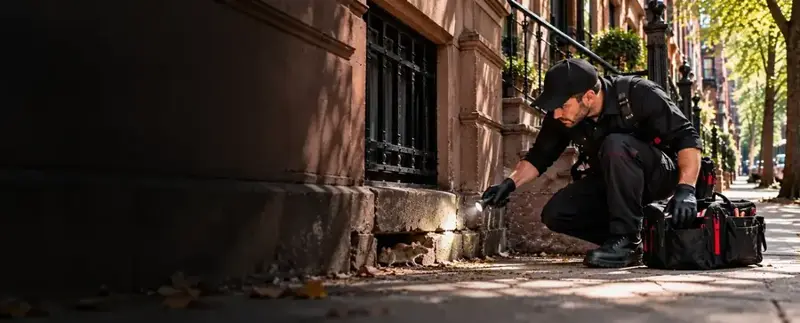
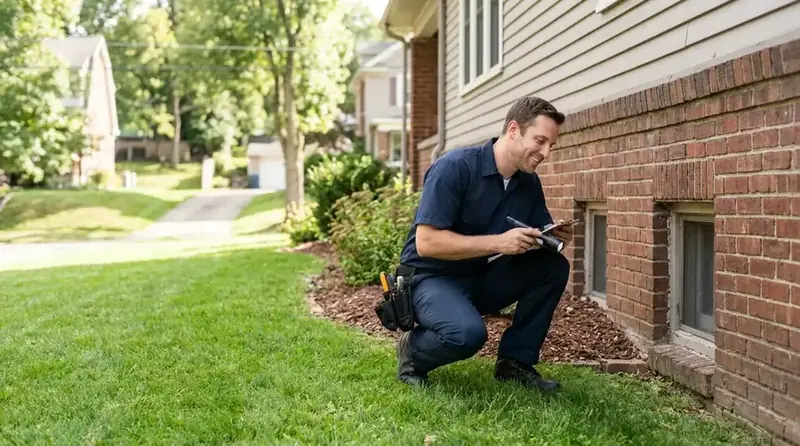
A seasonal program usually combines inspection, treatment of standing water that cannot be removed, and targeted treatment of resting areas such as the undersides of leaves and the edges of fences. Visits are repeated every few weeks through the warm season because mosquitoes keep emerging. Tell the technician about pets, vegetable gardens, fish ponds and children so products and timing fit your yard. Booking depends on crew location and schedule, and we confirm timing on the phone.
Eliminating breeding sites
Empty standing water weekly from buckets, planters, tires and clogged gutters. Change bird bath water. Keep pool covers drained.
Barriers and repellents
Screens on windows, fans on patios, and EPA registered repellents help. Treat yards with larvicides where water cannot be removed.
Community and timing
Mosquitoes peak in warm, wet weather. Coordinate with neighbors and report standing water in public areas.
Choosing products and professional help
Larvicide tablets in standing water, traps with attractants and repellents containing DEET, picaridin or oil of lemon eucalyptus are common tools. Yard sprays treat the foliage where adults rest. Professional programs combine source reduction with treatment on a schedule during warm months. Always follow labels and avoid spraying flowering plants where bees feed.
Checking your yard in ten minutes
Walk the property after rain and look for anything holding water: tarps, toys, saucers, clogged downspouts and low spots in the lawn. Tip out what you can and fix what you cannot, such as gutters that sag. Repeat weekly in warm months, since mosquito eggs hatch in as little as two days. A short routine does more than a seasonal spray.
Keeping notes that help
Make a short list of water sources on your property and tick them off weekly in warm months. Add notes on bites and sightings. If numbers stay high, ask neighbors to check their yards and consider professional treatment.
Frequently Asked Questions
How long do mosquitoes take to breed?
About a week from egg to adult in warm water.
Do zappers work?
Not well for mosquitoes.
Is treatment safe for pets?
Follow product directions and tell the technician.