Rat and Mouse Poison: Bait Stations and Pet Safety

Rodenticides can control rodents, but they carry real risks for pets, children and wildlife. Use traps first in homes and call a professional for bait programs.
- How rodenticide works
- Risks to pets and children
- Secondary poisoning
- Tamper resistant stations
- Safer options
- If someone eats bait
- Rules and licensing
- Environmental concerns
- A practical approach
- Reading the label
- Signs of poisoning in pets
- Alternatives that avoid poison
- Documentation
- Pet safe options: Risks of bait
- Enclosed traps
- Electronic traps
- Locked stations
- Prevention
- If a pet is exposed
- Understanding the risk
- A safer plan
- What to tell a technician
- Placing traps near pets
- Supporting measures
- Outdoor options
- Talking with your vet
- Bait stations: What they are
- Where they go
- How often to check
- Limits
- Safety
- Alternatives
- Choosing a station
- Monitoring and records
- When to avoid bait
- Outdoor perimeter programs
- Why placement beats quantity
- Maintenance routine
- Landlord and commercial use
How rodenticide works
Many baits are anticoagulants that cause internal bleeding over days. Animals often die in hidden places, which can mean odors and flies.
Risks to pets and children
Bait blocks look like food. Dogs, cats and children can be poisoned by eating bait or a poisoned rodent. In the US you can call Poison Control at 1-800-222-1222.
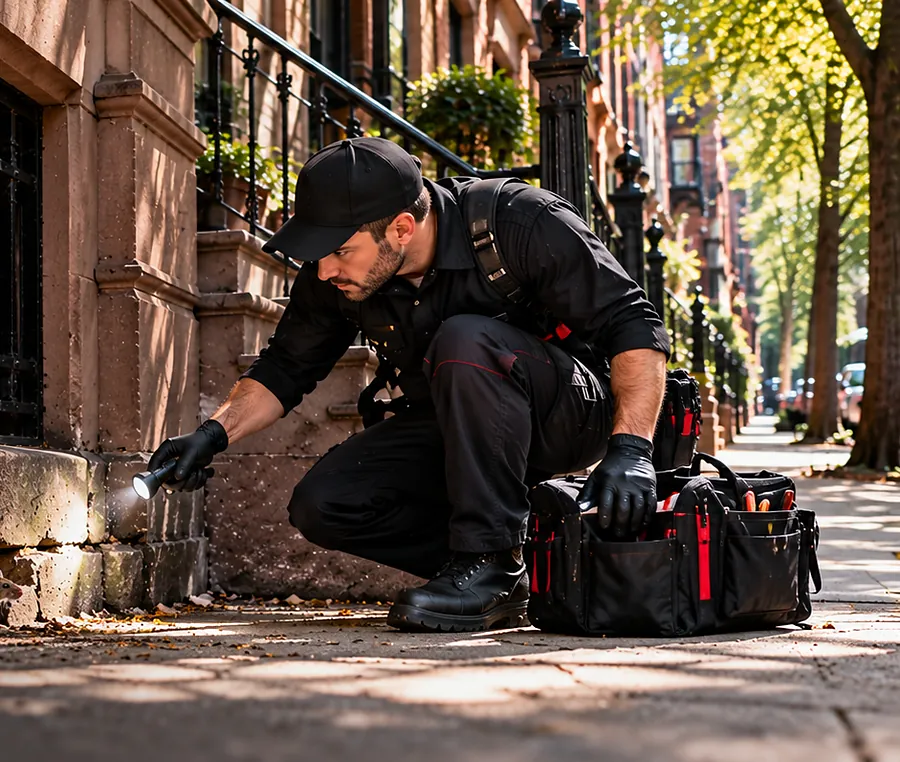
Secondary poisoning
Hawks, owls and other predators can be harmed when they eat poisoned rodents. This is a reason to prefer traps.
Tamper resistant stations
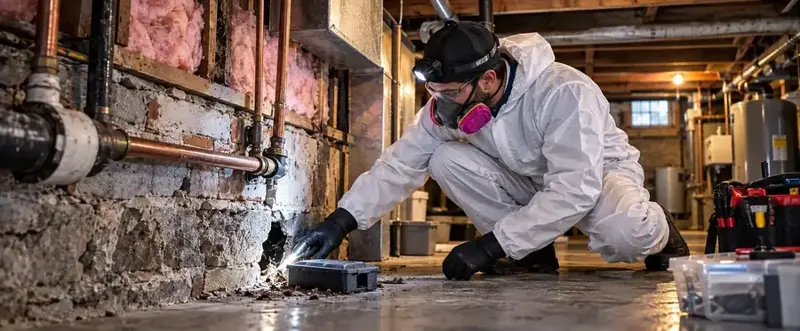
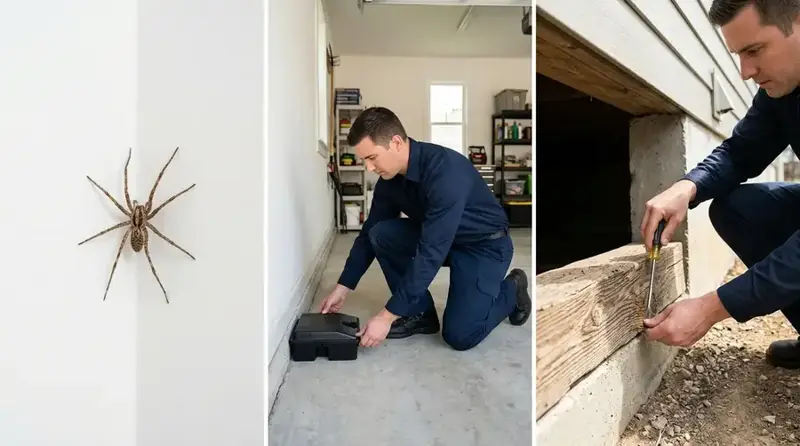
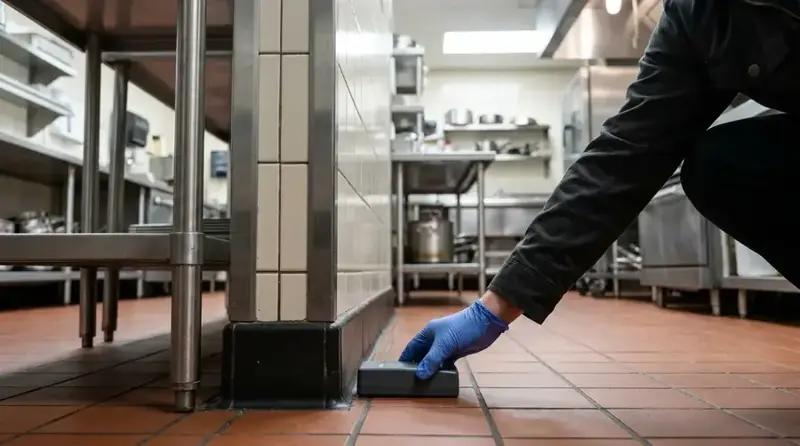
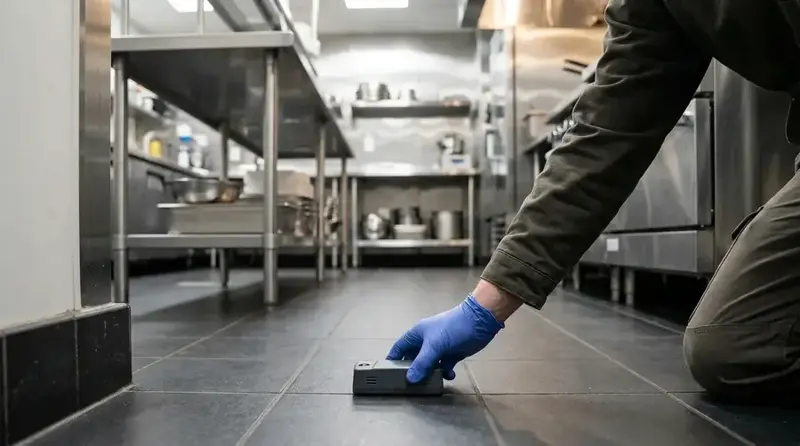
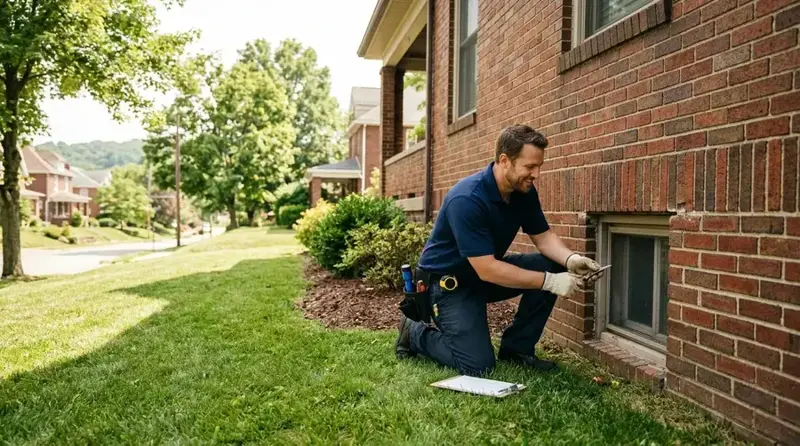
If bait is used, it should be inside locked, tamper resistant stations placed where target rodents travel, and used by a trained technician following the label.
Safer options
Snap traps, electronic traps and sealing entry points avoid chemical risk. Combine them with sanitation.
If someone eats bait
Call Poison Control or emergency services right away and keep the package.
Rules and licensing
Consumer rodenticides are limited by regulation, and the strongest products are restricted to licensed applicators. Always read and follow the label. Professional applicators use tamper resistant stations and keep records.
Environmental concerns
Poison affects more than rodents. Birds of prey, wildlife and pets can be harmed through secondary exposure. Many communities encourage trap based methods for this reason.
A practical approach
Use traps first, seal entry points, and keep any bait in locked stations that are checked often. Never place bait loose, and remove it when the job ends.
Reading the label
The label is the law. It lists the target animals, where it can be used, how much to place and what to do in an emergency. Never move bait to a place not allowed on the label. Keep the package for medical or veterinary staff.
Signs of poisoning in pets
Bleeding gums, nosebleeds, lethargy, pale gums, bruising and blood in urine or stool. Symptoms may be delayed for days. Do not wait. Contact a veterinarian immediately if you suspect exposure.
Alternatives that avoid poison
Exclusion, sanitation, snap traps, electronic traps and monitoring. In many homes these solve the problem without any toxicant. Ask your provider about non chemical programs.
Documentation
Keep records of any products used, including the product name and where it was placed. This information is vital in an emergency.
Pet safe options: Risks of bait
Pets can eat bait or a poisoned rodent. Symptoms can appear days later and include bleeding.
Enclosed traps
Traps in tunnels or boxes keep paws out. Place them along rat routes.
Electronic traps
Quick kill and enclosed, they reduce risk and make cleanup easy.
Locked stations
If bait is needed, it should be inside tamper resistant stations that pets cannot open.
Prevention
Seal gaps, store pet food and secure trash. This reduces the need for any control product.
If a pet is exposed
Call your veterinarian or an animal poison hotline right away and bring the product.
Understanding the risk
Pets are curious. Bait can look like food, and a poisoned rodent can pass toxin to a dog or cat that eats it. Many vets see cases each year.
A safer plan
Use enclosed traps, exclude rats from the home, secure trash and feed pets indoors. If bait is necessary, a professional should place locked stations out of reach.
What to tell a technician
Mention the pets in your home, where they roam, and any past illness. The technician can then choose methods and locations that reduce risk.
Placing traps near pets
Use tunnels, covered boxes or stations that fit the rat but not a dog or cat. Anchor traps. Place them behind appliances or along walls where pets cannot reach.
Supporting measures
Keep pet food in sealed containers, wash bowls, secure trash and remove outdoor food sources. Reducing attractants lowers the number of rats and the need for any control product.
Outdoor options
Use anchored tunnel traps along fences. Keep trash cans closed and bird feeders off the ground. Pick up pet waste.
Talking with your vet
Ask your vet about symptoms of poisoning and keep contact information handy. Know the Poison Control number.
Bait stations: What they are
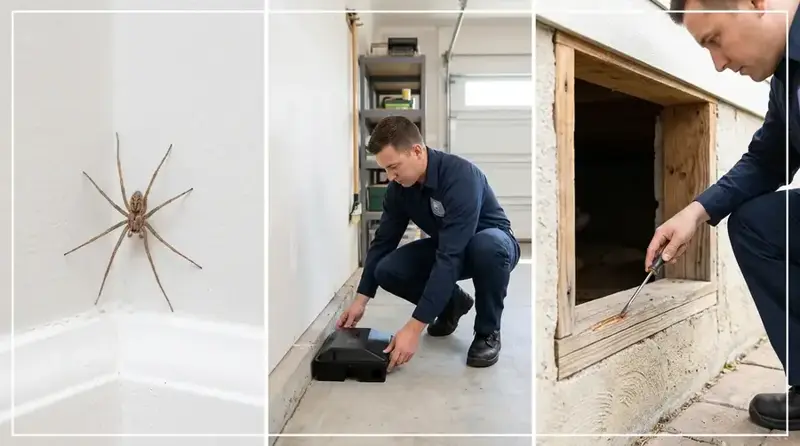
Plastic or metal boxes that allow rodents in while keeping children, pets and wildlife out.
Where they go
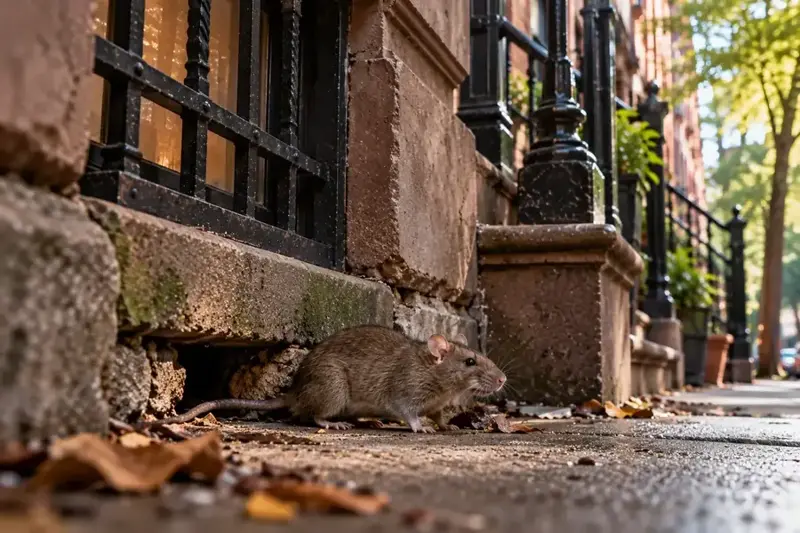
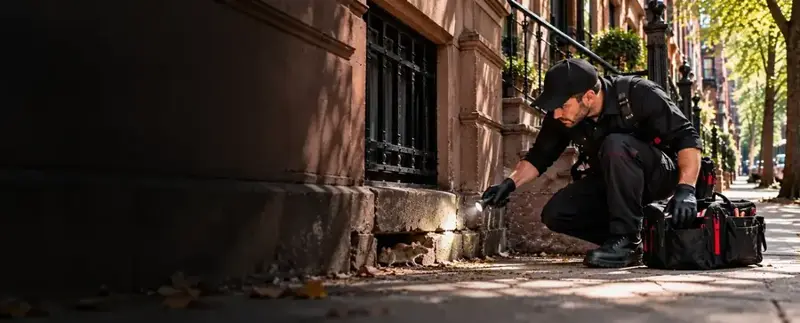
Along walls and runways outdoors, at burrows, and in places rodents travel, not in open areas.
How often to check
Every one to two weeks. Refill only as needed and remove old bait.
Limits
Bait does not fix entry points. Rodents may die in hidden places.
Safety
Follow the label. Wear gloves and keep stations secured.
Alternatives
Traps and sealing may be better indoors.
Choosing a station
Look for tamper resistant stations that lock and are anchored. Cheap open trays are not safe. Professional grade stations are designed to resist children and animals.
Monitoring and records
Check stations on a schedule. Note which have been fed on, which are untouched, and move stations if needed. Remove stations when the job ends.
When to avoid bait
Avoid bait in homes with infants, pets that roam or in food areas where traps work better. Discuss alternatives with the technician.
Outdoor perimeter programs
A perimeter program places stations around a building to intercept rats before they enter. It works best alongside sealing and sanitation. Stations are checked on a schedule and records are kept.
Why placement beats quantity
Rodents follow edges and runs. A few stations along runs outperform many in the open. Anchor stations and keep them clean.
Maintenance routine
Inspect weekly in the first month, then every two weeks. Replace damaged stations. Record activity. Remove bait at the end of the program.
Landlord and commercial use
Property managers often use stations for perimeter control. Records help meet inspection standards.
Frequently Asked Questions
Can rat poison kill a person?
Large doses can be dangerous, especially to children. Keep it out of reach and call Poison Control if swallowed.
Is poison faster than traps?
Not always, and it leaves dead animals in hidden places.
Do you use poison?
We lead with traps and use locked stations where appropriate.
What is the safest way to catch rats with pets?
Enclosed snap traps and electronic traps.
Is pet safe bait real?
No bait is completely pet safe.
Do traps hurt pets?
They can. Use enclosed models.
Are bait stations safe?
They are safer than loose bait but not risk free.
Do I need a pro?
For serious problems, yes.
Where should I not place them?
Where pets and children can reach them.