7:00 AM to 1:00 AM ET, Every Day Calls answered 7 AM to 1 AM ET 347-795-3007
Mouse Guides

Mouse Infestation: How Many Mice, Where Nests Hide, When It Is Serious
By the NYC Rodent Control team · Published 2026-11-03 · Updated 2026-11-09

Mouse Guides: Mouse Infestation: How Many Mice, Where Nests Hide, When It Is Serious

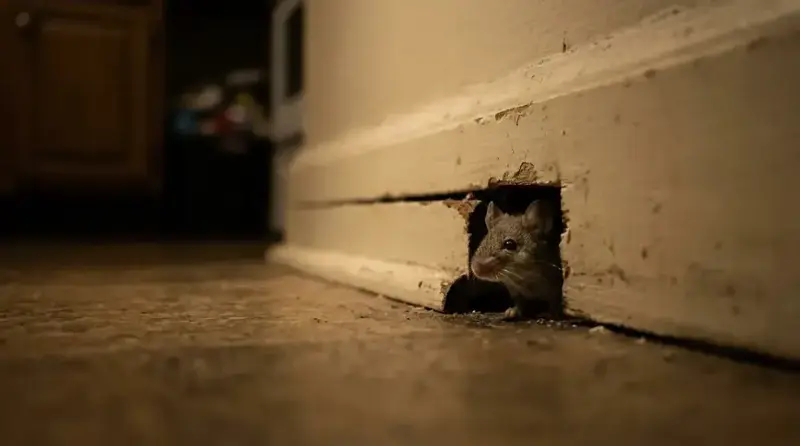
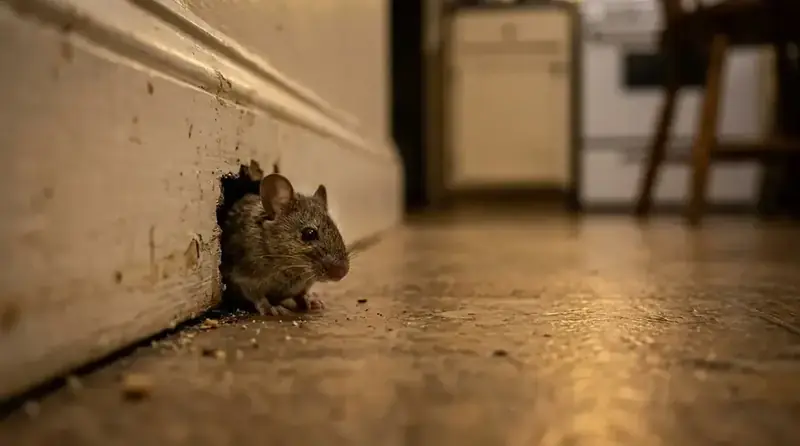
A mouse infestation is more than one mouse. Typical homes with signs have a small group, and the group grows fast if food and nesting spots are available.

How many mice are usually present

There is no single number, but a home where you see droppings in several rooms often has five to ten mice, and sometimes more. A female house mouse can have five to ten litters a year with five or six young each, and pups can breed in a couple of months. That growth is why a small problem can become a large one in a season.

Where nests hide

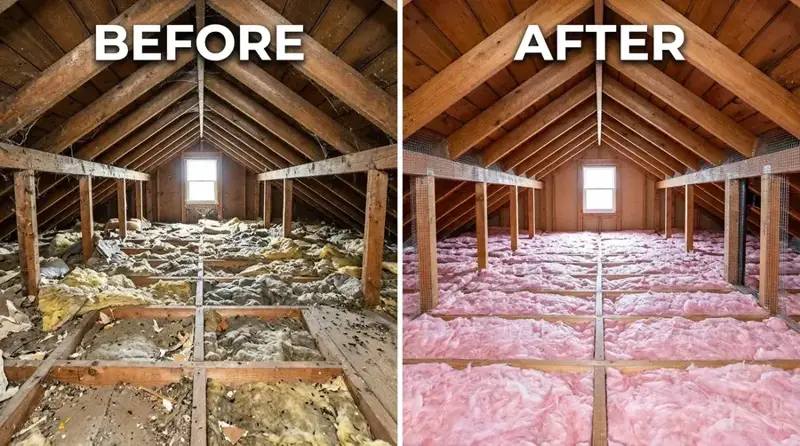
Mice build nests from shredded paper, fabric, insulation and cardboard. Common nest sites are inside walls, behind or under appliances, in stored boxes, in cabinets, in attic insulation, under floors and inside furniture such as couches and box springs. Nests are often within a short distance of food.

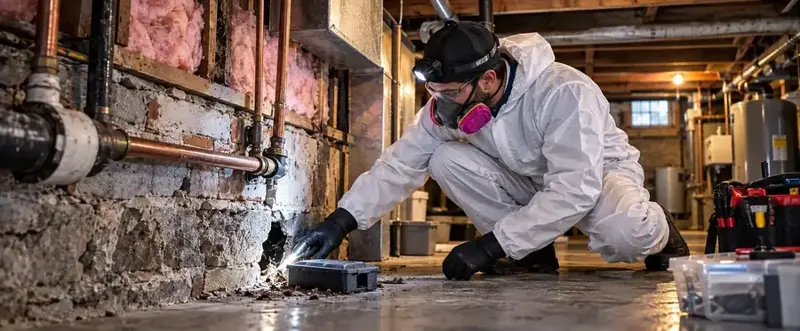
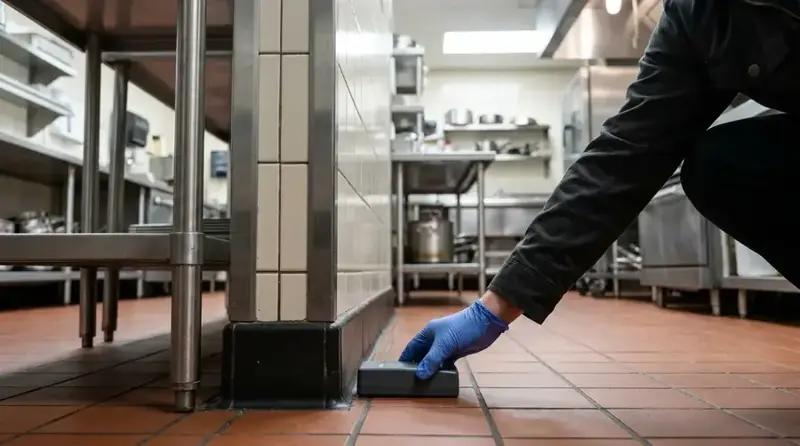
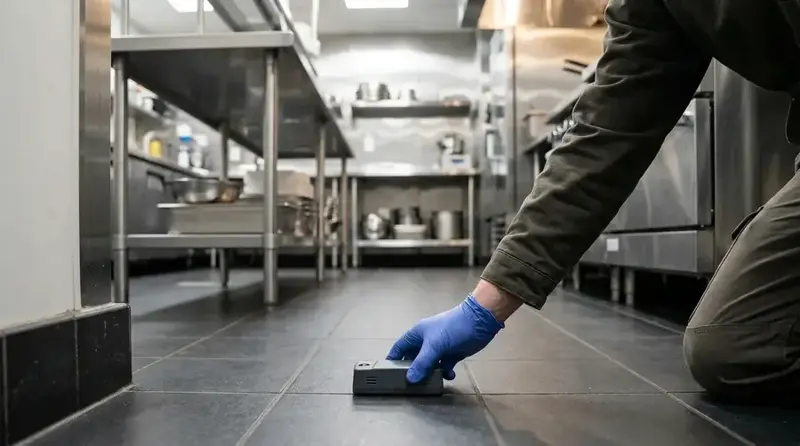
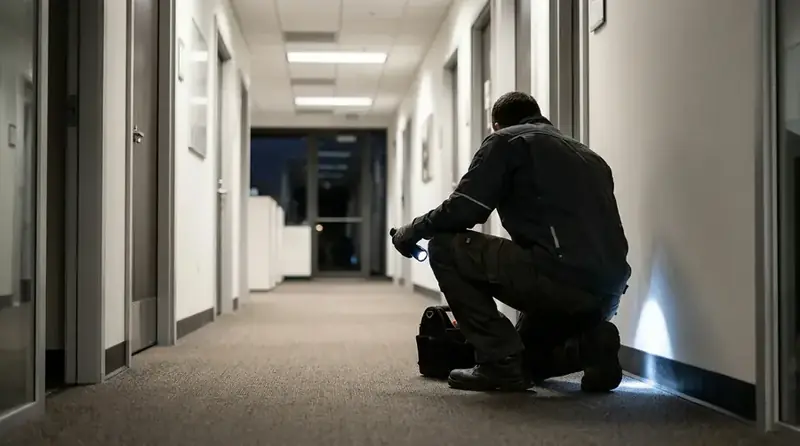
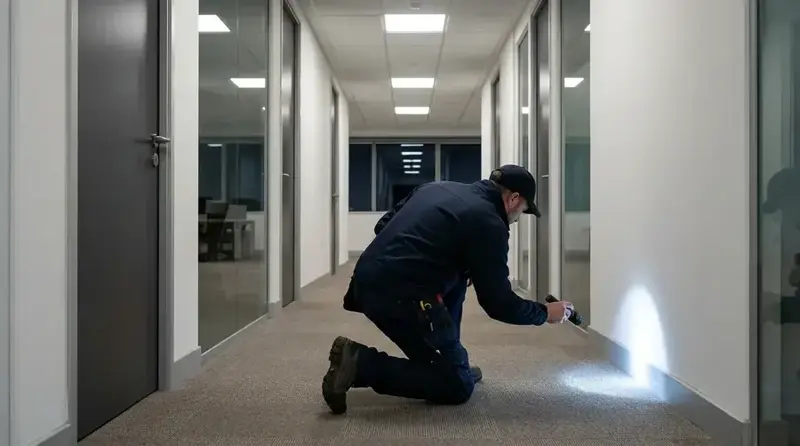
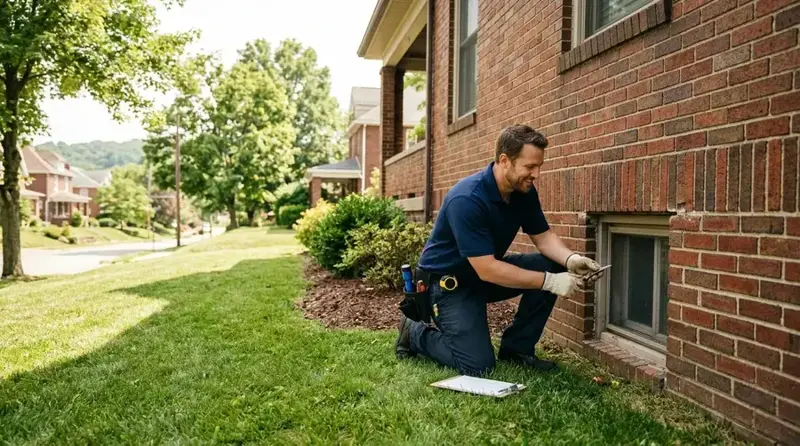
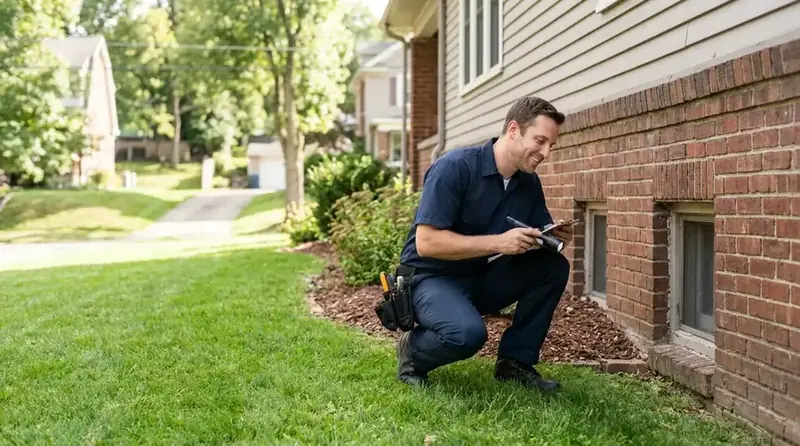
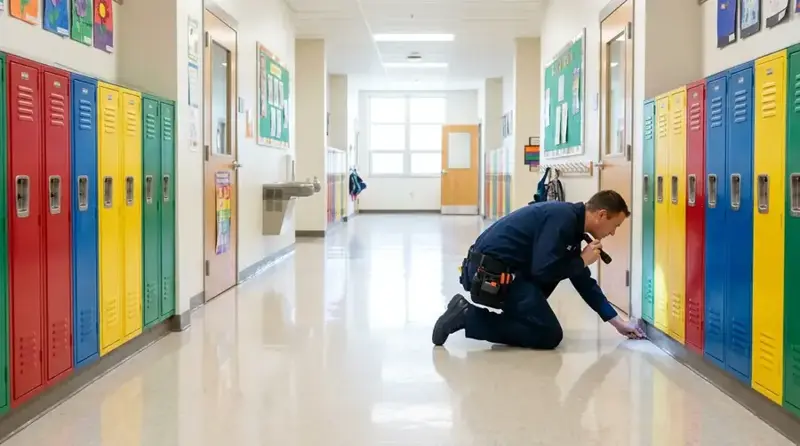
Technician performing a rodent inspection in NYC (illustrative image)

Reading rub and smear marks

Mice leave dark, greasy rub marks along frequent paths, usually at corners, along baseboards and around holes. Fresh marks smear when touched. Urine pillars, small mounds of grease and urine, can build up at nest edges. These marks tell you where to set traps.

Mouse burrows indoors and out

Indoors, mice do not dig burrows but tunnel through insulation and loose fill. Outdoors, field mice and house mice dig shallow burrows near foundations, under shrubs and along fences. Burrow openings are usually about an inch wide.

Removing a nest

Wear gloves and a mask. Spray the nest and surrounding area with disinfectant, wait five minutes, and place the nest into a bag without shaking it. Disinfect the area and wash your hands. Seal the bag and dispose of it. Replace soiled insulation.

When it is serious

Treat the problem as serious if you see mice in daylight, find droppings in several rooms, hear noises on multiple nights, find nests, notice gnawed wires, or if traps keep catching new mice after two weeks. At that stage, inspection and sealing by a professional is the efficient path.

Cost of waiting

Waiting a month often means double the number of mice, more cleanup, more gnawed materials and a harder job. Early action is cheaper and less disruptive.

A room by room inspection routine

Start in the kitchen, because food is the main draw. Pull out the stove and refrigerator if you can do so safely and look at the floor and wall behind them. Check the cabinet under the sink, where pipe openings are often wider than they should be. Open every drawer and the pantry, and look for chewed packaging, scattered grain and droppings in corners. Move to the bathroom and look behind the toilet and tub panel, then to bedrooms, where closets and under the bed hide shredded fabric and paper. In the basement or garage, check stored boxes, the water heater closet and the places where utility lines enter the building. Use a flashlight held low and angled across the surface, which makes small droppings and grease marks stand out. Write down every location where you find a sign. That list becomes your trap map and your sealing checklist.

Using tracking dust and tape to confirm activity

If you are unsure whether an area is active, scatter a thin line of flour or baby powder along a wall where you suspect travel and check it the next morning. Small footprints and a tail drag line show that mice crossed overnight. You can also place a short strip of masking tape across a suspected hole. If it is pushed out or chewed by morning, the opening is in use. These simple checks tell you where to concentrate traps and which gaps matter most, so you are not guessing.

How a small group becomes a large one

A mouse reaches breeding age at about six weeks. A pregnant female carries young for roughly three weeks, and a litter can have five to eight pups. If a pair finds a warm wall void and steady food, they can produce several litters in a year, and their offspring begin breeding before the first litter is old. This is why the number you see is never the whole story. One mouse in the open usually means more in hiding. It is also why waiting and watching rarely works. By the time activity is obvious in daylight, the group is often crowded and competing for food, which pushes mice into the open.

Mice in multi unit buildings

In apartments and attached homes, mice move through shared walls, pipe chases, floor joists and utility openings. A nest in one unit can supply mice to three neighbors. Sealing only your own unit helps, but pressure from next door continues. Document what you find with dated photos, report in writing to the property manager and ask for inspection of adjacent units and common areas such as basements, trash rooms and boiler rooms. Whole building programs, with coordinated sealing and monitoring, are far more effective than single unit visits.

Cleaning up after you have removed the nest

Once trapping has slowed, clean the areas where nests and droppings were found. Wear gloves and a mask, spray with a disinfectant labeled to kill viruses and bacteria, let it sit for the time on the label, then wipe. Wash fabrics that touched nest material in hot water. Throw out porous items that cannot be cleaned, such as soiled cardboard and old insulation scraps. Finish with a thorough kitchen wipe down of shelves and containers. Good sanitation makes the home less attractive to the next mouse and removes the scent trails that guide newcomers.

What a professional adds

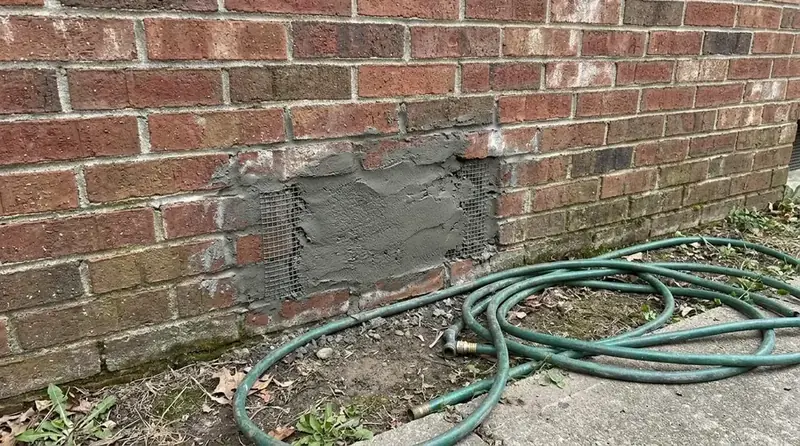
A trained technician spots entry points most owners miss, such as the gap behind a dryer vent, a crack where a pipe meets the slab, or a loose sweep on a side door. They place traps in the sequence that works, seal with materials mice cannot chew, and return to check results. If you have tried traps for two weeks and are still catching mice, the likely reason is an unsealed entry or a hidden nest, and that is when inspection pays for itself.

Dealing with this right now?

Our mouse control service handles exactly this: professional inspection, written quote.

Frequently Asked Questions

How many mice are in my house?

Several rooms with droppings usually mean a small group. Heavy activity suggests more.

Where do mice sleep?

In nests in walls, appliances, boxes and insulation.

What is a urine pillar?

A small mound of grease and urine at nest edges.

How fast do mice multiply?

A female can have several litters a year.

NYC
NYC Rodent Control Team

Pest management professionals serving all five boroughs from Greenpoint, Brooklyn. We publish what we learn on the job. Read more about us or browse our services.

Keep Reading

Related Guides

How to Get Rid of Rats in NYC: What Works in 2026
Rat Guides

How to Get Rid of Rats in NYC: What Works in 2026

Read Article →
Mice in Apartment NYC: 7 Signs and What To Do
Mouse Guides

Mice in Apartment NYC: 7 Signs and What To Do

Read Article →
Rodent Control Cost NYC 2026: Rat & Mouse Exterminator Prices
Cost Guides

Rodent Control Cost NYC 2026: Rat & Mouse Exterminator Prices

Read Article →
Diseases Spread by Rats and Mice in NYC and How to Stay Safe
Health Risks

Diseases Spread by Rats and Mice in NYC and How to Stay Safe

Read Article →
Leptospirosis in NYC: Rats, Symptoms and Prevention
Health Risks

Leptospirosis in NYC: Rats, Symptoms and Prevention

Read Article →
Mice, Allergies and Asthma in NYC Apartments
Health Risks

Mice, Allergies and Asthma in NYC Apartments

Read Article →
How Mice Get Into a House: Entry Points Technicians Find First
Mouse Guides

How Mice Get Into a House: Entry Points Technicians Find First

Read Article →
Whole Building vs One Unit: Rodent Control Pricing in NYC
Homeowner Guides

Whole Building vs One Unit: Rodent Control Pricing in NYC

Read Article →
Dead Mice in a Wall Heater or Radiator: Removal and Cleanup
Health Risks

Dead Mice in a Wall Heater or Radiator: Removal and Cleanup

Read Article →
One Mouse in the Building: Is It an Infestation?
Mouse Guides

One Mouse in the Building: Is It an Infestation?

Read Article →
Hantavirus From Mice and Rats: Risk, Symptoms and Safety in NYC
Health Risks

Hantavirus From Mice and Rats: Risk, Symptoms and Safety in NYC

Read Article →
Rat Bite Fever: Symptoms, Causes and What to Do After a Bite
Health Risks

Rat Bite Fever: Symptoms, Causes and What to Do After a Bite

Read Article →
LCMV From House Mice: What It Is and How to Lower the Risk
Health Risks

LCMV From House Mice: What It Is and How to Lower the Risk

Read Article →
Salmonella From Mice and Rats: Food Contamination and What to Throw Away
Health Risks

Salmonella From Mice and Rats: Food Contamination and What to Throw Away

Read Article →
Plague, Fleas and Rats: Is There Any Risk in NYC Today?
Health Risks

Plague, Fleas and Rats: Is There Any Risk in NYC Today?

Read Article →
Symptoms After Rodent Exposure: When to See a Doctor
Health Risks

Symptoms After Rodent Exposure: When to See a Doctor

Read Article →
How to Get Rid of Mice: A Step by Step Plan
Mouse Guides

How to Get Rid of Mice: A Step by Step Plan

Read Article →
What Does Mouse Poop Look Like? Size, Color and Age
Mouse Guides

What Does Mouse Poop Look Like? Size, Color and Age

Read Article →
Do Mouse Repellents Work? Peppermint, Ultrasonic, Bleach, Borax
Mouse Guides

Do Mouse Repellents Work? Peppermint, Ultrasonic, Bleach, Borax

Read Article →
How to Get Rid of Rats in the House: Complete Guide
Rat Guides

How to Get Rid of Rats in the House: Complete Guide

Read Article →
What Does Rat Poop Look Like? Identification Guide
Rat Guides

What Does Rat Poop Look Like? Identification Guide

Read Article →
Rat Traps: Types, Placement and Mistakes to Avoid
Rat Guides

Rat Traps: Types, Placement and Mistakes to Avoid

Read Article →
Best Mouse Traps: Snap, Electronic and Live Compared
Mouse Guides

Best Mouse Traps: Snap, Electronic and Live Compared

Read Article →
How to Catch a Mouse: Fast and Humane Options
Mouse Guides

How to Catch a Mouse: Fast and Humane Options

Read Article →
Types of Rodents in the US and Which Ones We Treat
Homeowner Guides

Types of Rodents in the US and Which Ones We Treat

Read Article →
Mice in Walls: Signs, Noise and How to Remove Them
Mouse Guides

Mice in Walls: Signs, Noise and How to Remove Them

Read Article →
Rat and Mouse Poison: Bait Stations and Pet Safety
Homeowner Guides

Rat and Mouse Poison: Bait Stations and Pet Safety

Read Article →
Mouse in the House? What to Do in the First 24 Hours
Mouse Guides

Mouse in the House? What to Do in the First 24 Hours

Read Article →
How to Keep Mice Out of Your House for Good
Homeowner Guides

How to Keep Mice Out of Your House for Good

Read Article →
Rodents in the Attic: Rats and Mice, Signs and Solutions
Homeowner Guides

Rodents in the Attic: Rats and Mice, Signs and Solutions

Read Article →
Rat and Mouse Urine Smell: How to Remove It
Homeowner Guides

Rat and Mouse Urine Smell: How to Remove It

Read Article →
How to Get Rid of Rats in the Backyard
Rat Guides

How to Get Rid of Rats in the Backyard

Read Article →
How Do Exterminators Get Rid of Mice? The Pro Process
Mouse Guides

How Do Exterminators Get Rid of Mice? The Pro Process

Read Article →
Field Mice in the House: How to Remove Them
Mouse Guides

Field Mice in the House: How to Remove Them

Read Article →
How Much Does Pest Control Cost? Prices by Pest and Plan
Cost Guides

How Much Does Pest Control Cost? Prices by Pest and Plan

Read Article →
Home Insect Control: What a Visit Covers
Homeowner Guides

Home Insect Control: What a Visit Covers

Read Article →
How to Get Rid of Roaches: Baits, Cleaning and Pros
Homeowner Guides

How to Get Rid of Roaches: Baits, Cleaning and Pros

Read Article →
Ant Bait Gel: How to Use It and When to Call a Pro
Homeowner Guides

Ant Bait Gel: How to Use It and When to Call a Pro

Read Article →
Do Dehumidifiers Help With Silverfish? Humidity Control
Homeowner Guides

Do Dehumidifiers Help With Silverfish? Humidity Control

Read Article →
Mosquito Control Around Your Home: What Works
Homeowner Guides

Mosquito Control Around Your Home: What Works

Read Article →
Wildlife Control Near Me: What We Treat and What We Do Not
Homeowner Guides

Wildlife Control Near Me: What We Treat and What We Do Not

Read Article →
Rats in Walls: What They Sound Like and How to Remove Them
Rat Guides

Rats in Walls: What They Sound Like and How to Remove Them

Read Article →
How to Dispose of a Dead Mouse or Rat Safely
Homeowner Guides

How to Dispose of a Dead Mouse or Rat Safely

Read Article →
Rodents in the Crawl Space and Garage: Signs and Fixes
Homeowner Guides

Rodents in the Crawl Space and Garage: Signs and Fixes

Read Article →
House Mouse Facts: Size, Lifespan, Diet and Whether They Are Harmful
Mouse Guides

House Mouse Facts: Size, Lifespan, Diet and Whether They Are Harmful

Read Article →
Rat Facts: Size, Diet, Lifespan and Behavior of Norway and Roof Rats
Rat Guides

Rat Facts: Size, Diet, Lifespan and Behavior of Norway and Roof Rats

Read Article →
Pest Control Sprays and Insect Control Products: What Works and Safety
Homeowner Guides

Pest Control Sprays and Insect Control Products: What Works and Safety

Read Article →
When to Call an Exterminator for Mice: Clear Signs and Costs
Mouse Guides

When to Call an Exterminator for Mice: Clear Signs and Costs

Read Article →
Rat Birth Control: Does ContraPest Work and Where It Is Used
Rat Guides

Rat Birth Control: Does ContraPest Work and Where It Is Used

Read Article →
Rodents Chewing Car Wires: Signs, Repair Costs and How to Stop Them
Homeowner Guides

Rodents Chewing Car Wires: Signs, Repair Costs and How to Stop Them

Read Article →
Related Pages

More Help Near You

Sources

Sources And References

Health, safety and method guidance on this page follows public information from these organizations. We recommend reading them for background.

Map

Our Brooklyn Office Location

Our base is Unit 9, 66 Greenpoint Ave, Brooklyn NY 11222. Calls are answered 7 AM to 1 AM ET. Open in Google Maps.

Call Now: 347-795-3007