How Do Exterminators Get Rid of Mice? The Pro Process

A professional visit follows a clear process. Understanding it helps you compare quotes.
- Inspection
- Trapping
- Exclusion
- Sanitation
- Follow up
- Advice
- What to expect from the quote
- Questions to ask
- Why professionals find more
- Timeline of a typical job
- Your role
- Inspection details
- After the job
- The first visit: questions and inspection
- Trapping and bait stations
- Exclusion: closing the doors
- Sanitation and follow up
- How to compare quotes
- The inspection that comes first
- Sealing and exclusion materials
- Follow up and verification
- Why professional results last longer
- What homeowners can do before the visit
- Keeping notes that help
Inspection
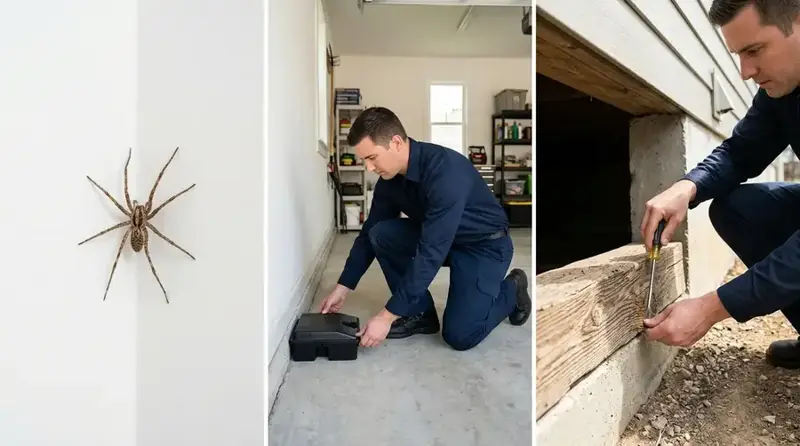
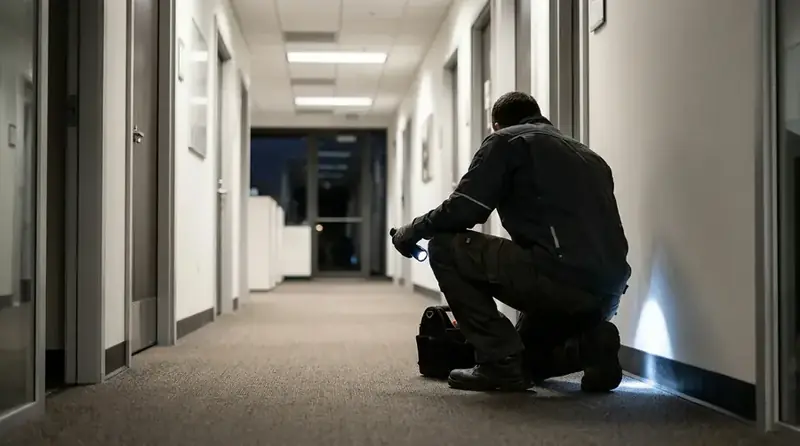
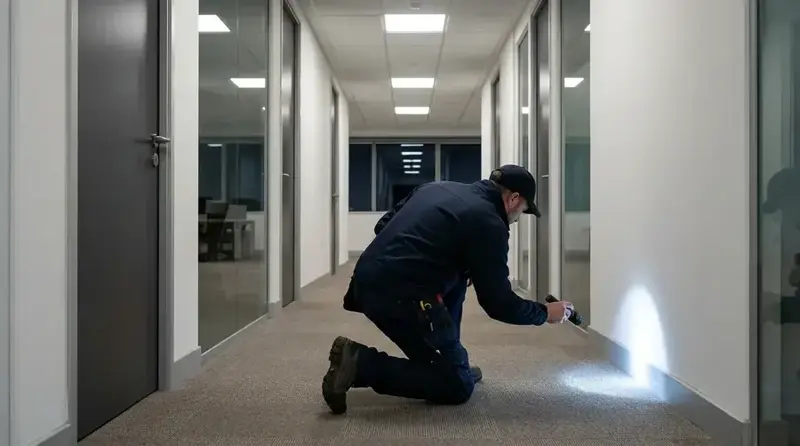
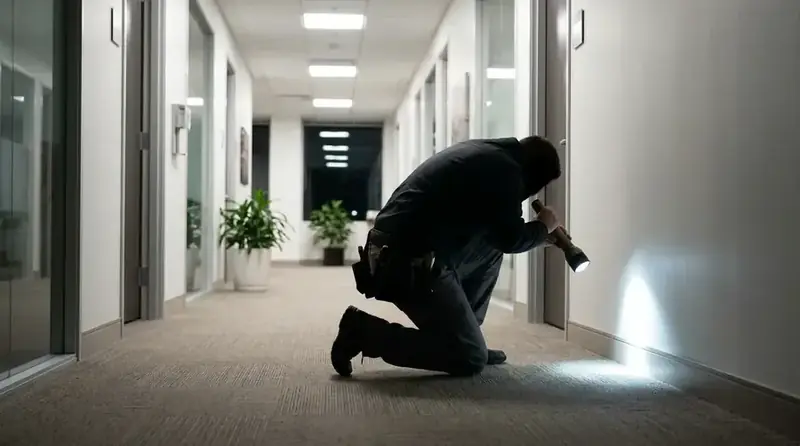
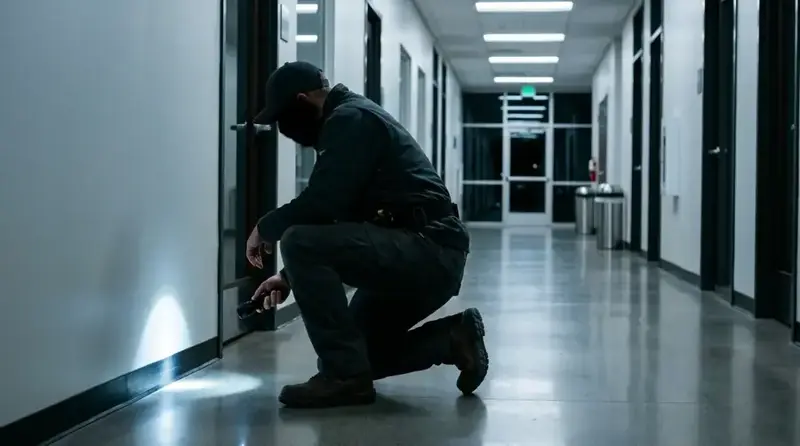
The technician examines inside and outside for droppings, rub marks and entry points.
Trapping
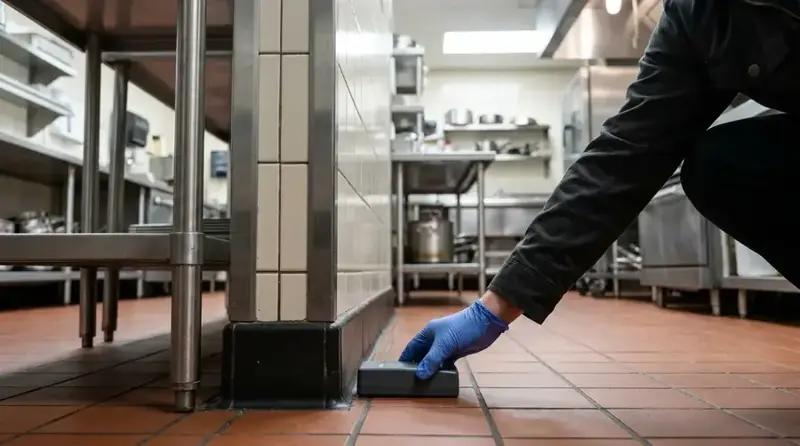
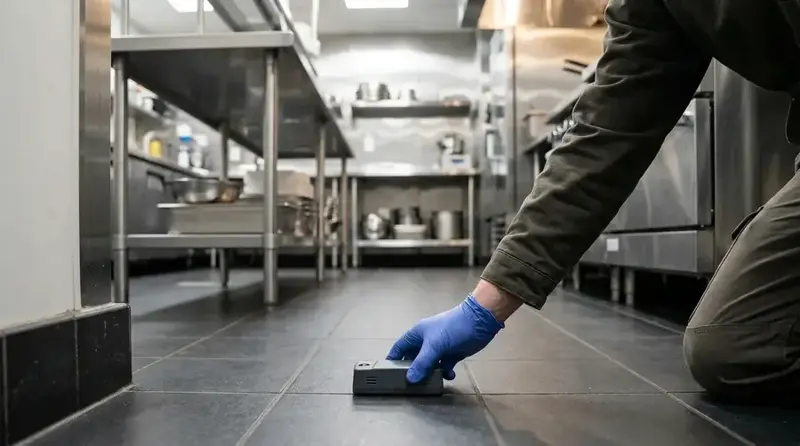
Traps are placed along runways. Bait stations may be used in specific places.

Exclusion
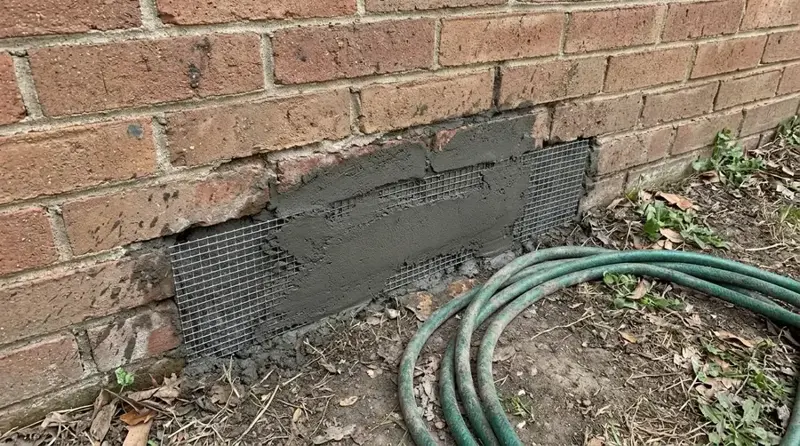
Gaps are sealed with steel, mesh and sealant.
Sanitation
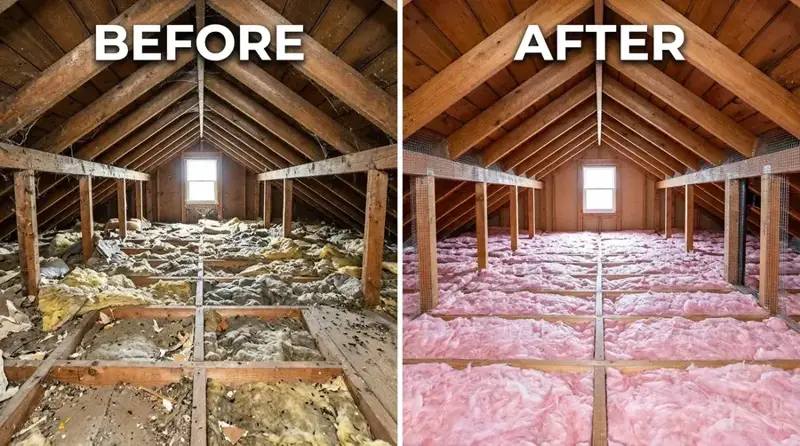
Droppings are cleaned and affected areas disinfected.
Follow up
Traps are checked and results are confirmed.
Advice
You receive tips on food storage and maintenance.
What to expect from the quote
A good quote lists the visits, the traps and stations, the sealing materials, the cleanup and the follow up. It should also state what is not included.
Questions to ask
How do you find entry points? What do you use for sealing? How often will you check traps? What happens if mice return?
Why professionals find more
Technicians know common entry points in your type of building and use tools to find gaps. Experience shortens the job and reduces repeats.
Timeline of a typical job
Visit one: inspection and trap placement. Days three to seven: check traps. Visit two: seal gaps and adjust traps. Week three: final check. Larger buildings may take longer.
Your role
Store food, clear clutter, give access, report new activity and follow advice. A cooperative customer speeds results.
Inspection details
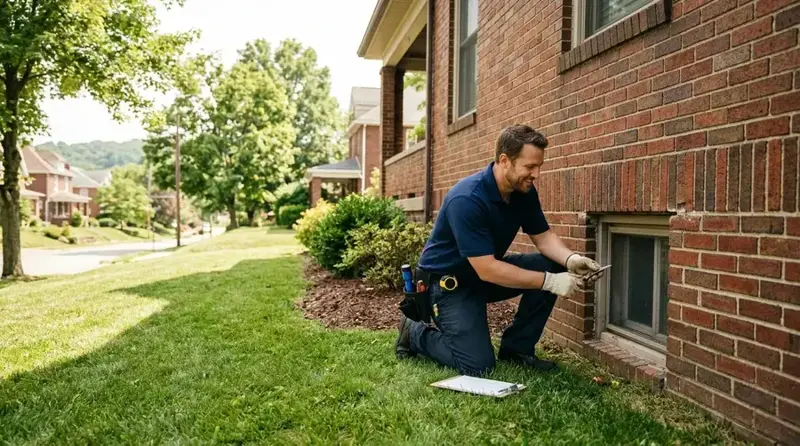
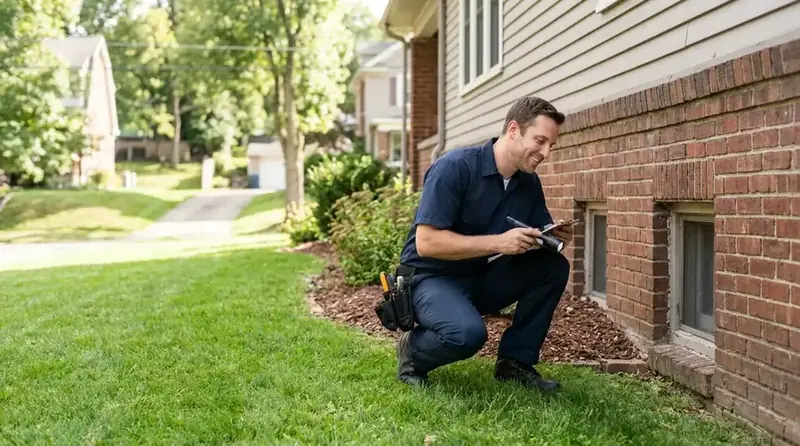
Professionals check gaps at utility lines, door frames, vents and foundations. They also look for moisture and food sources that support mice.
After the job
Expect advice on prevention and a follow up schedule. Keep the service report for your records.
The first visit: questions and inspection
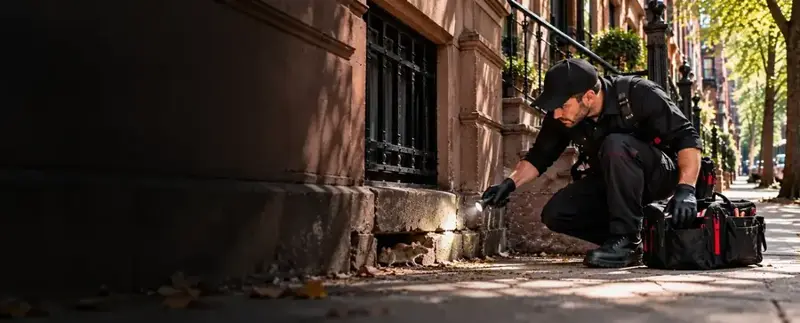
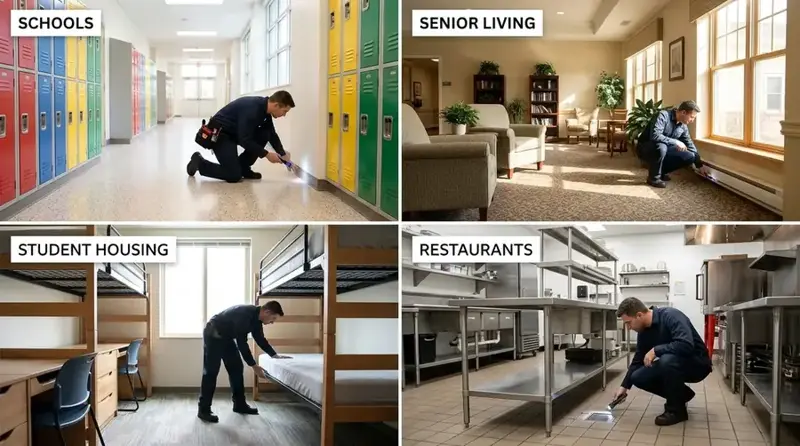
A technician starts by asking where and when you see mice, whether pets or children live in the home and what you have already tried. Then comes a full inspection inside and out: kitchens, basements, attics, crawl spaces, garages and the exterior foundation. They look for droppings, gnaw marks, rub marks, nests and the gaps that let mice in. This inspection decides the plan and the quote.
Trapping and bait stations
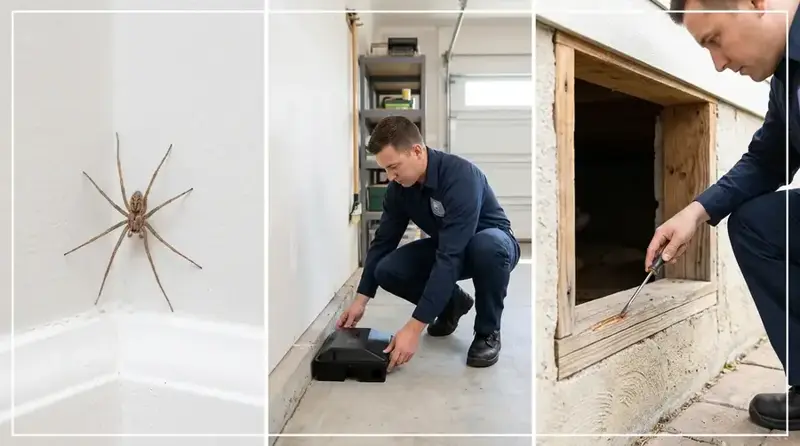
Most professional mouse work uses many traps placed along walls and runways, plus tamper resistant stations in selected areas. Traps give control over where animals are caught and avoid dead mice in walls. In homes with pets or young children, enclosed traps and stations are used. Poison is not the first choice indoors because of secondary risks and odor.
Exclusion: closing the doors
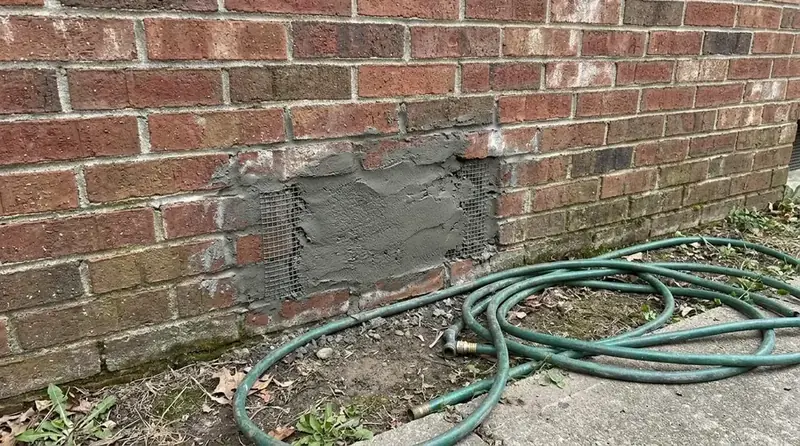
The part that keeps mice from returning is exclusion. Technicians seal gaps around pipes, vents and utility lines with steel mesh, sheet metal, concrete and rodent rated sealants. They add door sweeps and screens, repair damaged weep holes and advise on larger repairs. Without this step trapping becomes a repeating chore.
Sanitation and follow up
After activity stops, droppings are cleaned and affected areas disinfected. A follow up visit confirms traps are quiet, checks stations and makes any final repairs. Many jobs take two to three visits over several weeks.
How to compare quotes
Ask each company how it finds entry points, what materials it uses to seal, how many visits are included, how traps are checked and what happens if mice return. A low price without sealing or follow up is rarely the cheapest result. Our team inspects first and gives a written quote before any work begins.
The inspection that comes first
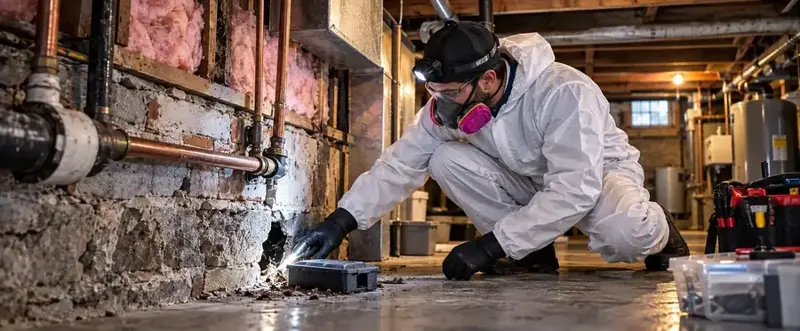
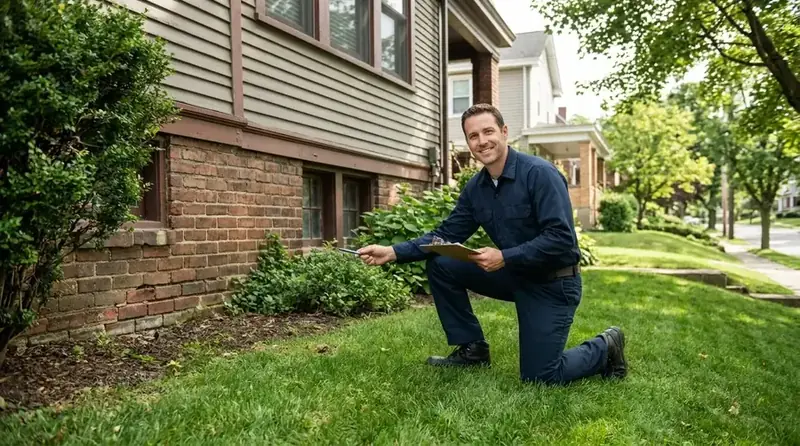
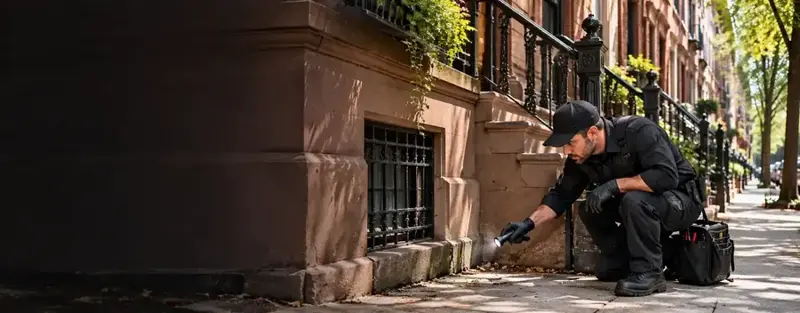
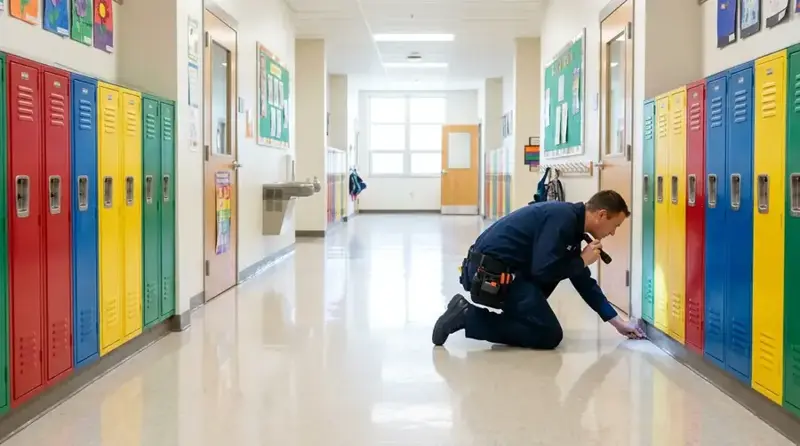
A technician starts outside, checking the foundation, doors, vents, utility entries and roofline. Inside, they check kitchens, bathrooms, basements and attics, noting droppings, rub marks and gnawing. They use flashlights, mirrors and sometimes moisture meters or cameras. The inspection ends with a map of activity and entry points, which guides every later step.
Sealing and exclusion materials
Pros use steel wool, copper mesh, sheet metal, cement, hardware cloth and durable sealants, because mice cannot chew through them. They also repair door sweeps and cover vents. Sealing is done after trapping is underway so that mice are not trapped inside walls.
Follow up and verification
Technicians return to remove traps, count catches and look for new signs. When catches stop and signs disappear, they confirm the seal and give prevention advice. Records of each visit show what was done.
Why professional results last longer
Professionals combine knowledge of mouse behavior with proper materials and repeat checks. They know where mice nest, how to place traps so mice find them, and how to seal gaps. They also advise on sanitation. A single trap set by an owner often catches one mouse, while a coordinated program removes the group and shuts the door behind them.
What homeowners can do before the visit
Declutter along walls, empty a few cabinets, note signs and keep pets away from work areas. Good access lets the technician finish inspection faster.
Keeping notes that help
Ask your technician for a short written summary of findings, treatments and sealing done at each visit. Keep the reports together. If mice return, the history shows which entry points were closed and where to look for new ones.
Frequently Asked Questions
Do exterminators use poison?
Sometimes, in locked stations where appropriate.
How many visits are needed?
Often two to three.
Is it worth it?
Professionals find entry points that are easy to miss.