Field Mice in the House: How to Remove Them

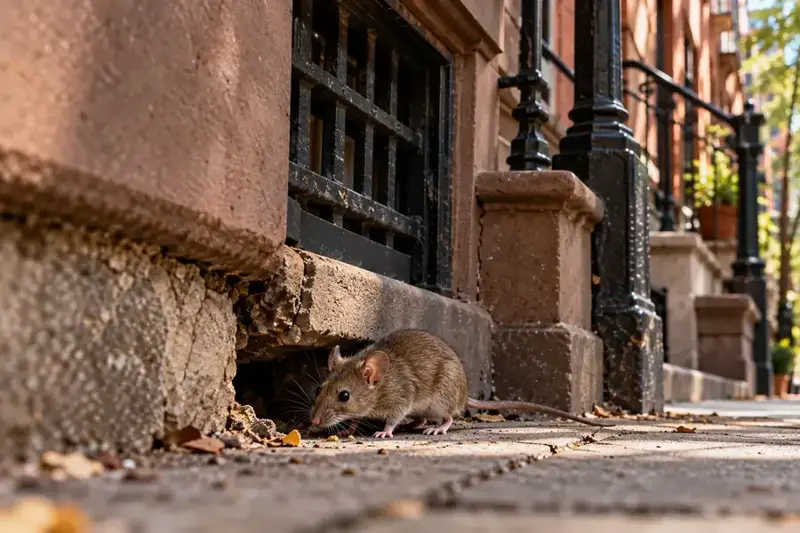
Field mice, such as deer mice and white footed mice, live outdoors and move in as temperatures drop.
- Identify them
- Why they come in
- Health
- Remove
- Yard
- Prevent
- Hantavirus and safe cleaning
- Where to look
- Long term prevention
- Seasonal timing
- Differences from house mice
- Outbuildings and vehicles
- Firewood and brush
- Which mice people call field mice
- Why they come inside in fall
- Health and cleanup
- Trapping field mice indoors
- Sealing and yard changes
- Which mice are meant by field mice
- Keeping them out of garages and cabins
- Cleanup in rural settings
- Differences from house mice
- Cabins and vacation homes
- Keeping notes that help
Identify them
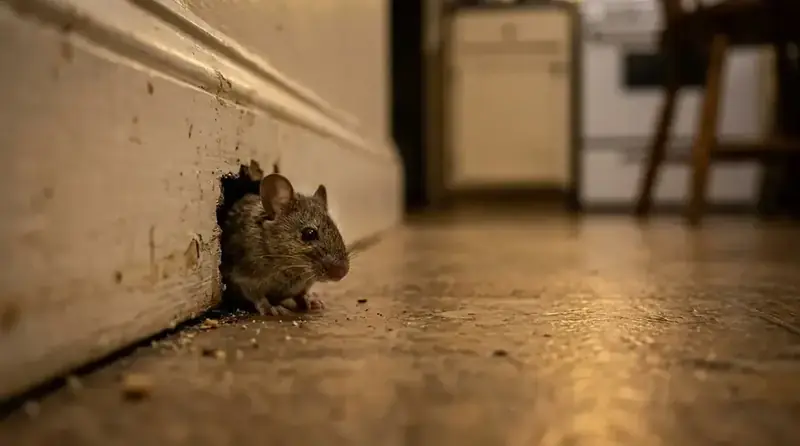
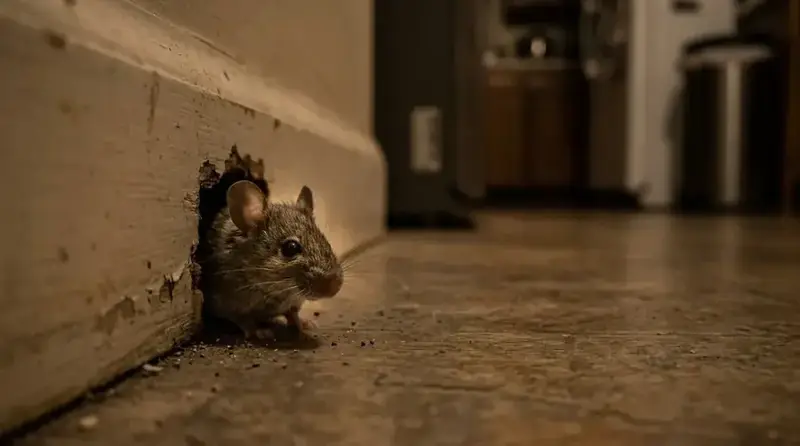
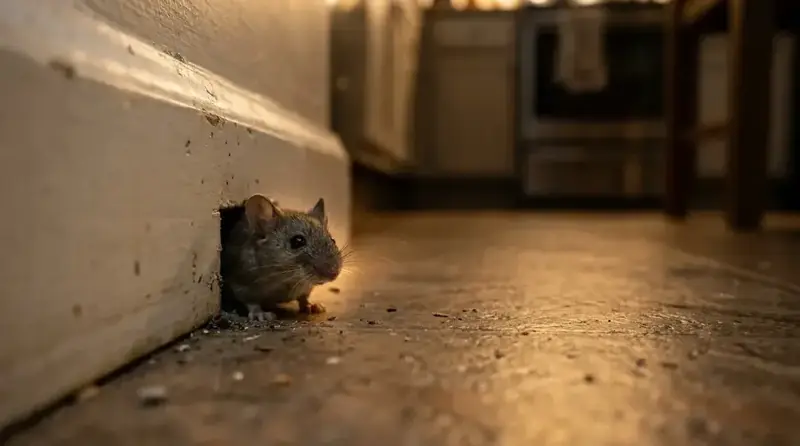
They have large eyes and ears, a white belly and a bicolor tail. House mice are plainer.
Why they come in
Cold weather, food and shelter. They enter garages, sheds and homes near fields.

Health
Deer mice can carry hantavirus. Clean droppings with care.
Remove
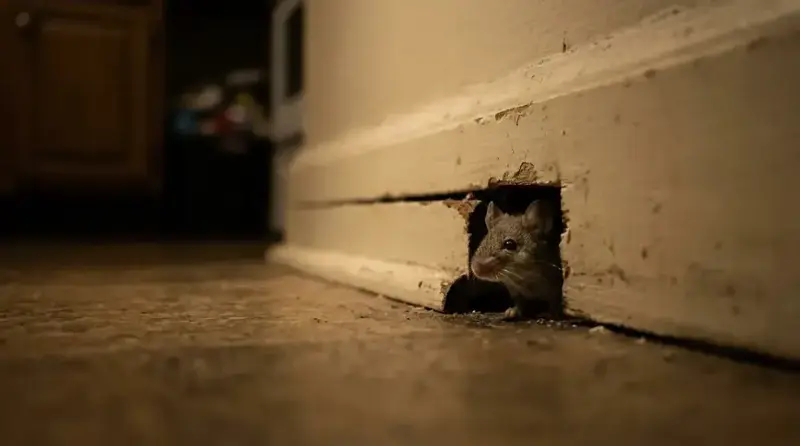
Trap in outbuildings and basements. Seal gaps.
Yard
Trim grass, move firewood away and remove brush.
Prevent
Close gaps in fall before they come in.
Hantavirus and safe cleaning
Deer mice can carry hantavirus. Do not sweep or vacuum droppings. Ventilate, wear gloves and a mask, wet the droppings with disinfectant and wipe.
Where to look
Garages, sheds, cabins, wood piles, attics and crawl spaces. Fall is the main entry season.
Long term prevention
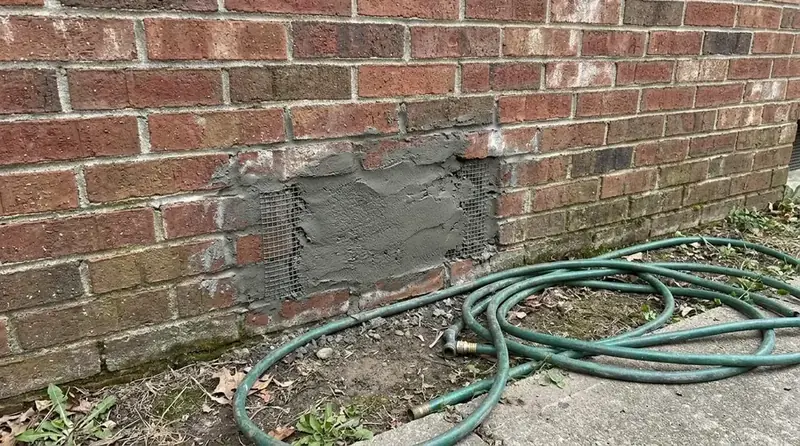
Keep brush and wood piles away from the house and seal gaps in the foundation and roofline.
Seasonal timing
Seal in late summer. Trap in fall when mice move in. Inspect outbuildings in spring. Rural properties need more frequent checks.
Differences from house mice
Field mice bring in seeds and plant material and may nest in wall voids or stored items. They are more active outdoors and may return in waves.
Outbuildings and vehicles
Field mice nest in sheds, RVs and vehicles. Check air filters and engine bays in stored cars. Seal doors and vents.
Firewood and brush
Stack firewood off the ground and away from the house. Clear brush near foundations.
Which mice people call field mice
Field mouse is a common name rather than a single species. It most often means deer mice or white footed mice, both with large dark eyes, large ears, a white belly and a tail that is brown above and white below. House mice are plain gray brown with a uniform tail. The difference matters because field mice live outdoors in grass, brush and woodpiles and move into buildings when the weather turns cold.
Why they come inside in fall
As temperatures drop and food in fields thins out, field mice look for warm, sheltered places. Garages, sheds, cabins, attics, crawl spaces and the walls of rural and suburban homes fit that need. They also cache seeds, nuts and pet food, so you may find small stashes in drawers, boots, car engines and boxes. Homes near open land, woods or farm fields see more of them.
Health and cleanup
Deer mice can carry hantavirus, so do not sweep or vacuum dry droppings or nests. Ventilate the room for about thirty minutes, wear rubber gloves and a mask, spray the area with disinfectant or a bleach solution, let it soak for five minutes and wipe with paper towels. Double bag the waste and wash your hands. Open and air out cabins and sheds before staying in them after long vacancies.
Trapping field mice indoors
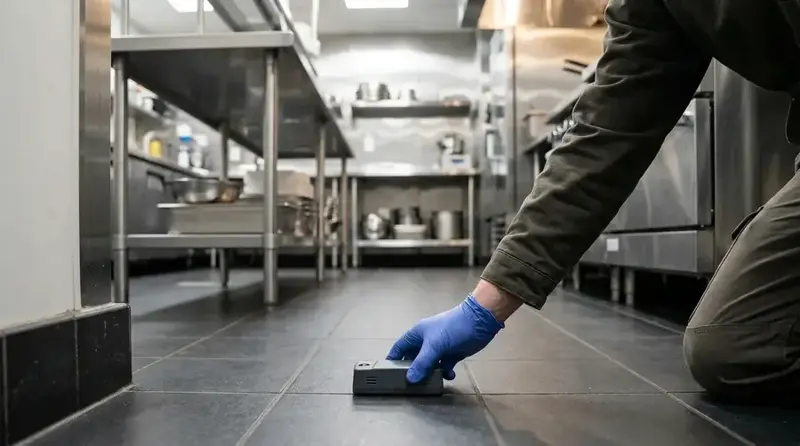
Use snap traps along walls, in corners and near cached food. Bait with peanut butter or seeds. Place traps in garages, basements and attics where activity is highest. Check daily. Because field mice come from outdoors, traps alone will not stop new arrivals, so pair trapping with sealing and yard changes.
Sealing and yard changes
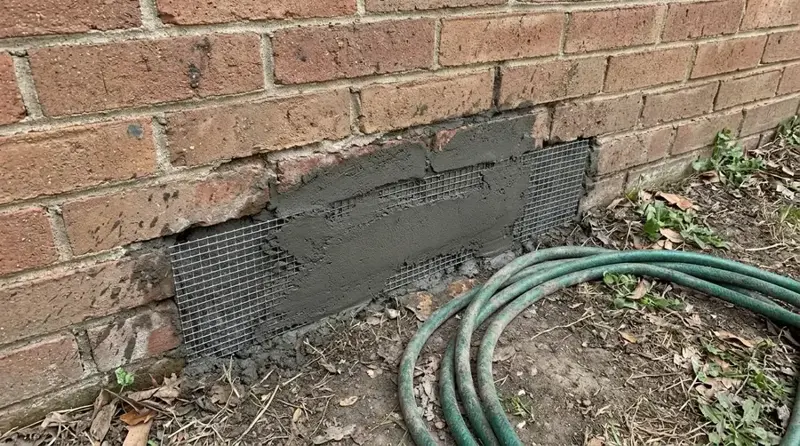
Close gaps larger than a quarter inch around doors, vents, utility lines and the foundation with steel mesh, sheet metal or concrete. Move firewood stacks and brush piles away from the house, trim grass near the foundation and keep bird seed in sealed bins. Check again in late summer before cold weather arrives. We offer deer mouse control for homes, cabins and outbuildings.
Which mice are meant by field mice
The term covers deer mice, white footed mice and voles. They live in fields, woodpiles and gardens and come indoors in autumn. Deer mice are linked with hantavirus in some areas, so careful cleanup is important.
Keeping them out of garages and cabins
Seal gaps, store firewood away from the house, keep grass short and store seed and pet food in sealed bins. Check sheds and seasonal homes before use.
Cleanup in rural settings
Ventilate closed buildings for thirty minutes, wet down droppings and wipe with disinfectant. Use a mask. Do not sweep or vacuum dry droppings.
Differences from house mice
Field mice prefer seeds and plants, stay outdoors most of the year and have larger eyes and bi colored tails. Their droppings look similar to house mice. Control relies on sealing and removal of habitat near the house. If they get inside, use the same traps and cleanup steps as for house mice.
Cabins and vacation homes
Before opening a seasonal home, air it out, check for nests in cabinets and vents and clean with wet methods. Seal gaps before you leave in autumn.
Keeping notes that help
For a seasonal home or cabin, write a closing checklist and an opening checklist, and note any droppings or nests found. Comparing the lists year to year shows whether your sealing is working and which outbuildings need attention.
Frequently Asked Questions
Are field mice the same as house mice?
No. They are different species.
Are they dangerous?
Deer mice can carry hantavirus.
When do they come inside?
Mostly fall.