7:00 AM to 1:00 AM ET, Every Day Calls answered 7 AM to 1 AM ET 347-795-3007
Mouse Guides

House Mouse Facts: Size, Lifespan, Diet and Whether They Are Harmful
By the NYC Rodent Control team · Published 2026-11-03 · Updated 2026-11-09

Mouse Guides: House Mouse Facts: Size, Lifespan, Diet and Whether They Are Harmful

The house mouse is the most common indoor rodent in the United States. It is small, fast breeding and well adapted to living with people.

Size and appearance

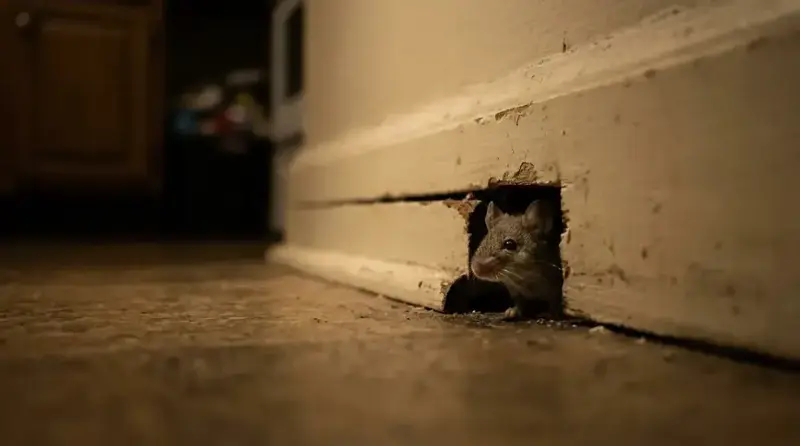
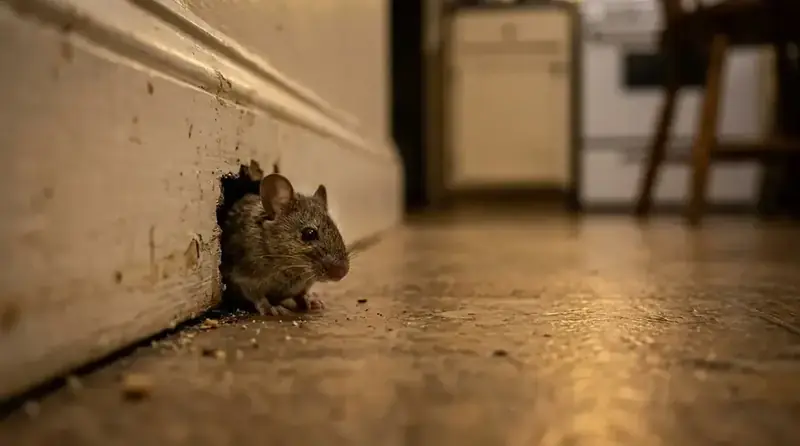
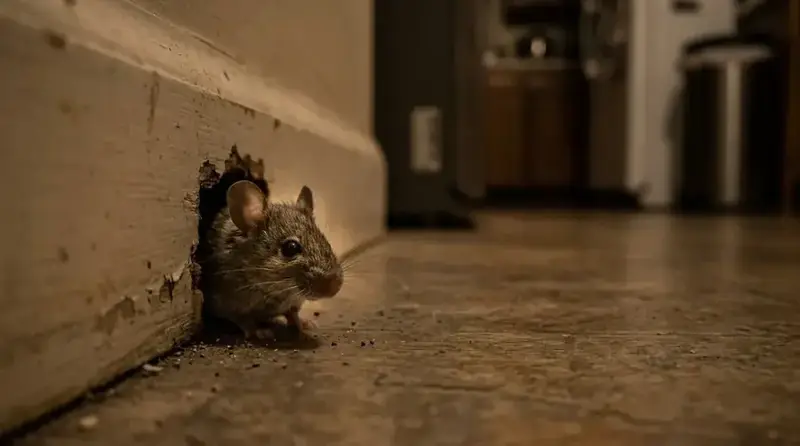
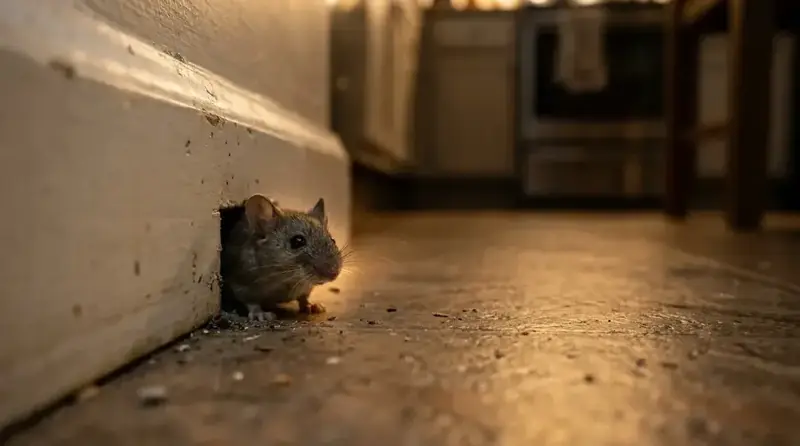
Adult house mice are about 2.5 to 3.5 inches long, with a tail of about the same length. They weigh around half an ounce to an ounce. Fur is light brown to gray, the belly is lighter, ears are large and the snout is pointed.

Lifespan

In homes, house mice often live about one to two years if they are safe, and less in the wild. A single female can produce several litters a year, which is why populations grow so quickly.

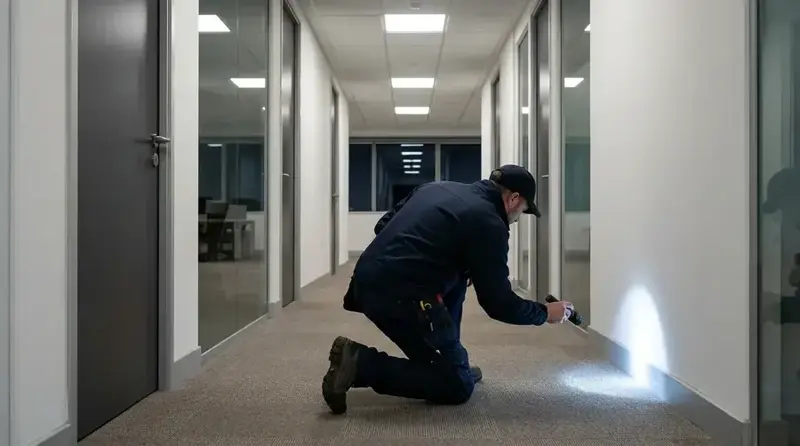
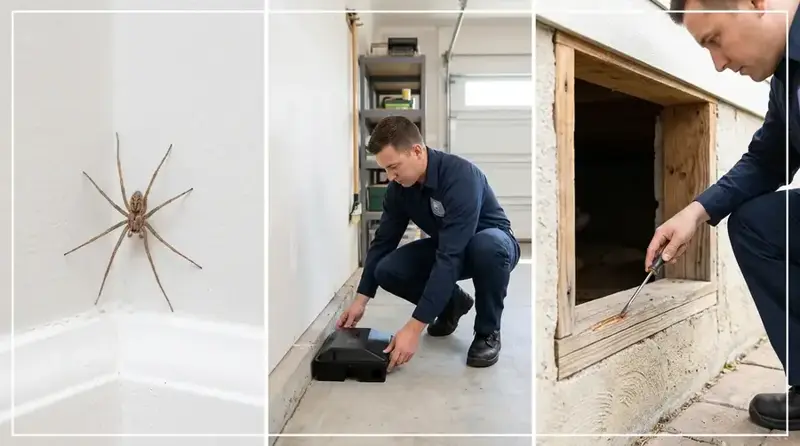
Technician performing a rodent inspection in NYC (illustrative image)

What they eat

Mice eat grains, seeds, cereal, pet food, nuts, fruit, meat scraps and even glue. They nibble many times a night and need very little water, which lets them live in dry spaces. They hoard food in hidden spots.

Behavior

Mice are nocturnal, curious and good climbers. They squeeze through gaps of about a quarter inch. They follow walls and use the same paths repeatedly. They can jump and swim.

Are house mice harmful

Yes, in several ways. They contaminate food with urine and droppings. They can spread germs, including salmonella, and are linked to LCMV in some cases. Their allergens trigger asthma. They chew wiring, insulation and stored items, which can cause damage and fire risk.

How common are mice in homes

Studies of urban housing have found mouse allergens in a large share of homes, and mice are among the most reported pests in apartments. Older buildings and dense areas see more.

What to do

Trap, seal gaps, store food and clean carefully. If the problem persists, call a professional.

How house mice compare with other mice

The house mouse is not the only mouse that enters homes. The deer mouse has a white belly, bigger eyes and a bicolor tail, and is associated with hantavirus in some regions. The white footed mouse looks similar. Field mice, or voles, have a stockier body and shorter tail. The house mouse has a uniform gray brown coat, a long thin tail and a notch in the upper incisors. Correct identification changes the risk picture and the treatment, since deer mice are more often found in outbuildings and rural homes, while house mice favor buildings in towns and cities.

Reproduction and why numbers jump

A house mouse female can start breeding at six to eight weeks, is pregnant for around nineteen to twenty one days, and can mate again within a day of giving birth. Litters average five to six pups, and with good food and shelter she can produce five to ten litters a year. Pups open their eyes in about two weeks and leave the nest in three to four. This pace means that even a modest group can grow to dozens within months. Controlling the population requires removing animals faster than they breed, which is why speed matters.

Senses and abilities

Mice have poor eyesight but excellent smell, touch and hearing. They use whiskers to feel along walls and tight spaces, which explains why they follow edges. They can jump about a foot, climb vertical rough surfaces, run along wires and squeeze through gaps the width of a pencil. They gnaw constantly because their incisors never stop growing, which is why they can damage wood, plastic, wire insulation and even soft metals such as lead and aluminum.

Territory and movement

A house mouse usually stays within about ten to thirty feet of its nest if food is nearby. It travels the same paths each night and leaves small amounts of urine as scent markings. That is why traps along known paths work well and random placement does not. In a building with enough food, the territory can be small, so signs in one room point to a nest close by. In an environment with scarce food, mice travel farther.

Health and property impact

Mice contaminate surfaces with urine, droppings and hair. Their allergens, particularly from urine and dander, are linked to asthma in children in city housing. They can transmit salmonella and other bacteria through food contamination. Chewed wiring is a real fire hazard. Damage to insulation reduces energy efficiency. The cost of a delay includes ruined food, replaced materials and, in rentals and businesses, potential violations.

What these facts mean for control

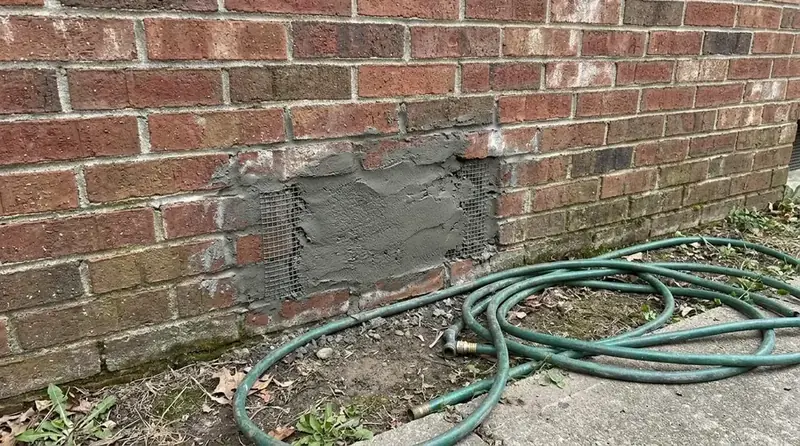
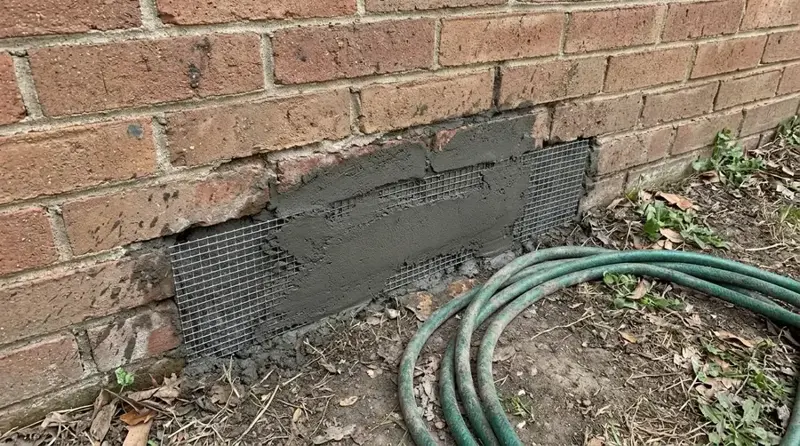
Because mice stay close to nests, traps should be placed near activity. Because they breed quickly, use many traps at once. Because they squeeze through tiny gaps, seal everything larger than a quarter inch. Because they chew, use metal and cement. Because they need little water, removing food is more important than removing water. These points are the foundation of a plan that works.

Mouse myths

Mice do not love cheese more than other foods, cats do not solve infestations and one mouse is rarely alone. Knowing the facts helps you act quickly.

Dealing with this right now?

Our mouse control service handles exactly this: professional inspection, written quote.

Frequently Asked Questions

How long do house mice live?

About one to two years in homes.

How big is a house mouse?

About 2.5 to 3.5 inches plus the tail.

Do mice bite?

Rarely, but they can if cornered.

Are mice dirty?

They carry germs and allergens, so treat them seriously.

NYC
NYC Rodent Control Team

Pest management professionals serving all five boroughs from Greenpoint, Brooklyn. We publish what we learn on the job. Read more about us or browse our services.

Keep Reading

Related Guides

How to Get Rid of Rats in NYC: What Works in 2026
Rat Guides

How to Get Rid of Rats in NYC: What Works in 2026

Read Article →
Mice in Apartment NYC: 7 Signs and What To Do
Mouse Guides

Mice in Apartment NYC: 7 Signs and What To Do

Read Article →
Rodent Control Cost NYC 2026: Rat & Mouse Exterminator Prices
Cost Guides

Rodent Control Cost NYC 2026: Rat & Mouse Exterminator Prices

Read Article →
Diseases Spread by Rats and Mice in NYC and How to Stay Safe
Health Risks

Diseases Spread by Rats and Mice in NYC and How to Stay Safe

Read Article →
Leptospirosis in NYC: Rats, Symptoms and Prevention
Health Risks

Leptospirosis in NYC: Rats, Symptoms and Prevention

Read Article →
Mice, Allergies and Asthma in NYC Apartments
Health Risks

Mice, Allergies and Asthma in NYC Apartments

Read Article →
How Mice Get Into a House: Entry Points Technicians Find First
Mouse Guides

How Mice Get Into a House: Entry Points Technicians Find First

Read Article →
Whole Building vs One Unit: Rodent Control Pricing in NYC
Homeowner Guides

Whole Building vs One Unit: Rodent Control Pricing in NYC

Read Article →
Dead Mice in a Wall Heater or Radiator: Removal and Cleanup
Health Risks

Dead Mice in a Wall Heater or Radiator: Removal and Cleanup

Read Article →
One Mouse in the Building: Is It an Infestation?
Mouse Guides

One Mouse in the Building: Is It an Infestation?

Read Article →
Hantavirus From Mice and Rats: Risk, Symptoms and Safety in NYC
Health Risks

Hantavirus From Mice and Rats: Risk, Symptoms and Safety in NYC

Read Article →
Rat Bite Fever: Symptoms, Causes and What to Do After a Bite
Health Risks

Rat Bite Fever: Symptoms, Causes and What to Do After a Bite

Read Article →
LCMV From House Mice: What It Is and How to Lower the Risk
Health Risks

LCMV From House Mice: What It Is and How to Lower the Risk

Read Article →
Salmonella From Mice and Rats: Food Contamination and What to Throw Away
Health Risks

Salmonella From Mice and Rats: Food Contamination and What to Throw Away

Read Article →
Plague, Fleas and Rats: Is There Any Risk in NYC Today?
Health Risks

Plague, Fleas and Rats: Is There Any Risk in NYC Today?

Read Article →
Symptoms After Rodent Exposure: When to See a Doctor
Health Risks

Symptoms After Rodent Exposure: When to See a Doctor

Read Article →
How to Get Rid of Mice: A Step by Step Plan
Mouse Guides

How to Get Rid of Mice: A Step by Step Plan

Read Article →
What Does Mouse Poop Look Like? Size, Color and Age
Mouse Guides

What Does Mouse Poop Look Like? Size, Color and Age

Read Article →
Do Mouse Repellents Work? Peppermint, Ultrasonic, Bleach, Borax
Mouse Guides

Do Mouse Repellents Work? Peppermint, Ultrasonic, Bleach, Borax

Read Article →
How to Get Rid of Rats in the House: Complete Guide
Rat Guides

How to Get Rid of Rats in the House: Complete Guide

Read Article →
What Does Rat Poop Look Like? Identification Guide
Rat Guides

What Does Rat Poop Look Like? Identification Guide

Read Article →
Rat Traps: Types, Placement and Mistakes to Avoid
Rat Guides

Rat Traps: Types, Placement and Mistakes to Avoid

Read Article →
Best Mouse Traps: Snap, Electronic and Live Compared
Mouse Guides

Best Mouse Traps: Snap, Electronic and Live Compared

Read Article →
How to Catch a Mouse: Fast and Humane Options
Mouse Guides

How to Catch a Mouse: Fast and Humane Options

Read Article →
Types of Rodents in the US and Which Ones We Treat
Homeowner Guides

Types of Rodents in the US and Which Ones We Treat

Read Article →
Mice in Walls: Signs, Noise and How to Remove Them
Mouse Guides

Mice in Walls: Signs, Noise and How to Remove Them

Read Article →
Rat and Mouse Poison: Bait Stations and Pet Safety
Homeowner Guides

Rat and Mouse Poison: Bait Stations and Pet Safety

Read Article →
Mouse in the House? What to Do in the First 24 Hours
Mouse Guides

Mouse in the House? What to Do in the First 24 Hours

Read Article →
How to Keep Mice Out of Your House for Good
Homeowner Guides

How to Keep Mice Out of Your House for Good

Read Article →
Rodents in the Attic: Rats and Mice, Signs and Solutions
Homeowner Guides

Rodents in the Attic: Rats and Mice, Signs and Solutions

Read Article →
Rat and Mouse Urine Smell: How to Remove It
Homeowner Guides

Rat and Mouse Urine Smell: How to Remove It

Read Article →
How to Get Rid of Rats in the Backyard
Rat Guides

How to Get Rid of Rats in the Backyard

Read Article →
How Do Exterminators Get Rid of Mice? The Pro Process
Mouse Guides

How Do Exterminators Get Rid of Mice? The Pro Process

Read Article →
Field Mice in the House: How to Remove Them
Mouse Guides

Field Mice in the House: How to Remove Them

Read Article →
How Much Does Pest Control Cost? Prices by Pest and Plan
Cost Guides

How Much Does Pest Control Cost? Prices by Pest and Plan

Read Article →
Home Insect Control: What a Visit Covers
Homeowner Guides

Home Insect Control: What a Visit Covers

Read Article →
How to Get Rid of Roaches: Baits, Cleaning and Pros
Homeowner Guides

How to Get Rid of Roaches: Baits, Cleaning and Pros

Read Article →
Ant Bait Gel: How to Use It and When to Call a Pro
Homeowner Guides

Ant Bait Gel: How to Use It and When to Call a Pro

Read Article →
Do Dehumidifiers Help With Silverfish? Humidity Control
Homeowner Guides

Do Dehumidifiers Help With Silverfish? Humidity Control

Read Article →
Mosquito Control Around Your Home: What Works
Homeowner Guides

Mosquito Control Around Your Home: What Works

Read Article →
Wildlife Control Near Me: What We Treat and What We Do Not
Homeowner Guides

Wildlife Control Near Me: What We Treat and What We Do Not

Read Article →
Mouse Infestation: How Many Mice, Where Nests Hide, When It Is Serious
Mouse Guides

Mouse Infestation: How Many Mice, Where Nests Hide, When It Is Serious

Read Article →
Rats in Walls: What They Sound Like and How to Remove Them
Rat Guides

Rats in Walls: What They Sound Like and How to Remove Them

Read Article →
How to Dispose of a Dead Mouse or Rat Safely
Homeowner Guides

How to Dispose of a Dead Mouse or Rat Safely

Read Article →
Rodents in the Crawl Space and Garage: Signs and Fixes
Homeowner Guides

Rodents in the Crawl Space and Garage: Signs and Fixes

Read Article →
Rat Facts: Size, Diet, Lifespan and Behavior of Norway and Roof Rats
Rat Guides

Rat Facts: Size, Diet, Lifespan and Behavior of Norway and Roof Rats

Read Article →
Pest Control Sprays and Insect Control Products: What Works and Safety
Homeowner Guides

Pest Control Sprays and Insect Control Products: What Works and Safety

Read Article →
When to Call an Exterminator for Mice: Clear Signs and Costs
Mouse Guides

When to Call an Exterminator for Mice: Clear Signs and Costs

Read Article →
Rat Birth Control: Does ContraPest Work and Where It Is Used
Rat Guides

Rat Birth Control: Does ContraPest Work and Where It Is Used

Read Article →
Rodents Chewing Car Wires: Signs, Repair Costs and How to Stop Them
Homeowner Guides

Rodents Chewing Car Wires: Signs, Repair Costs and How to Stop Them

Read Article →

How to keep it from coming back

Prevention is mostly maintenance. Keep food in sealed containers, keep garbage in tight lidded bins, fix plumbing leaks, trim vegetation away from the building, and keep storage areas organized so nothing is touching walls for long. Check door sweeps and vent screens every season. In older NYC buildings, walls shared with neighbors can bring pressure from outside your unit, so a quick seasonal check of gaps near pipes and radiators is worth the few minutes.

Related Pages

More Help Near You

Sources

Sources And References

Health, safety and method guidance on this page follows public information from these organizations. We recommend reading them for background.

Map

Our Brooklyn Office Location

Our base is Unit 9, 66 Greenpoint Ave, Brooklyn NY 11222. Calls are answered 7 AM to 1 AM ET. Open in Google Maps.

Call Now: 347-795-3007