Rats in Walls: What They Sound Like and How to Remove Them

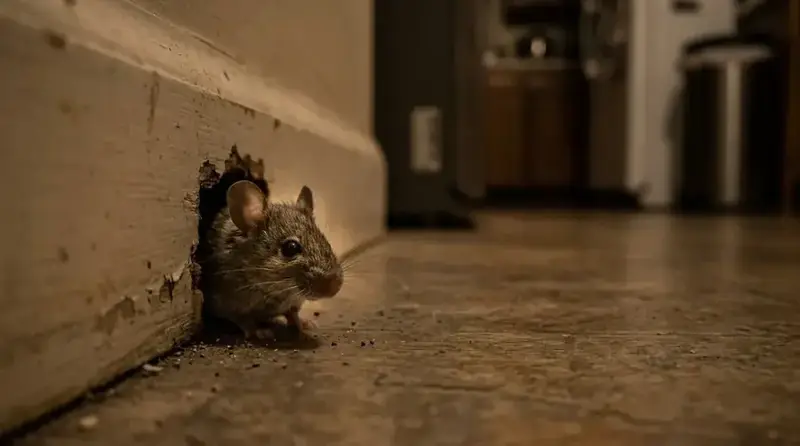
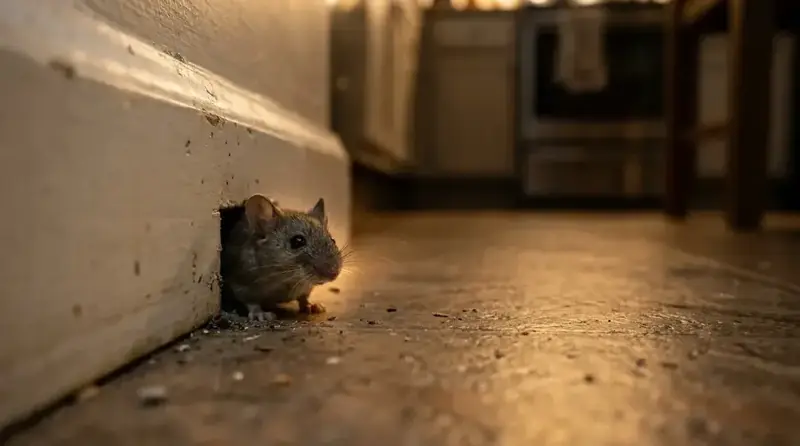
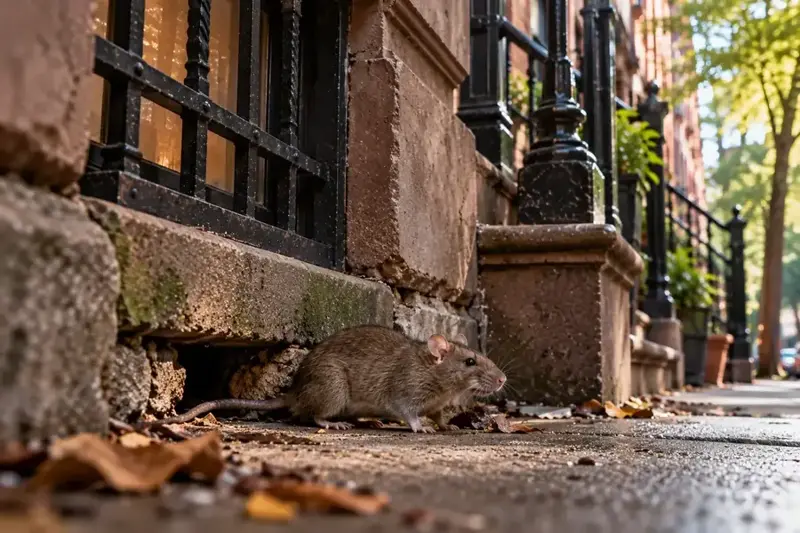
Rats in walls make heavier sounds than mice: thumping, gnawing, scratching and squeaking. They use wall voids as protected highways between nests and food.
- What rats sound like
- How rats get into wall voids
- Signs besides sound
- What not to do
- How professionals remove them
- Dead rats in walls
- Preventing a return
- Telling rats from mice, squirrels and pipes
- Where wall access usually exists
- Why poison in a wall backfires
- What a trapping plan looks like
- Closing the wall and fixing the damage
- Preventing rats from coming back
What rats sound like
Rats scratch, gnaw, scurry and thump. Gnawing is a steady, hard sound as they wear down teeth on wood and pipes. You may also hear squeaking, hissing and fighting at night. Sounds usually peak after dark. Mice sound lighter and faster, while rats sound heavier.
How rats get into wall voids
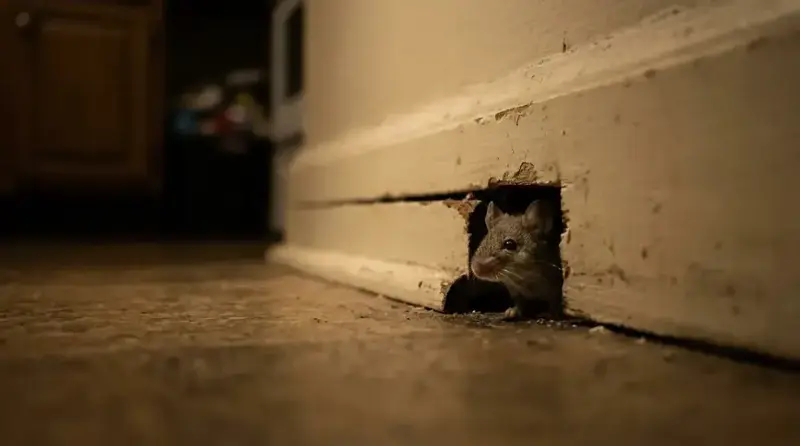
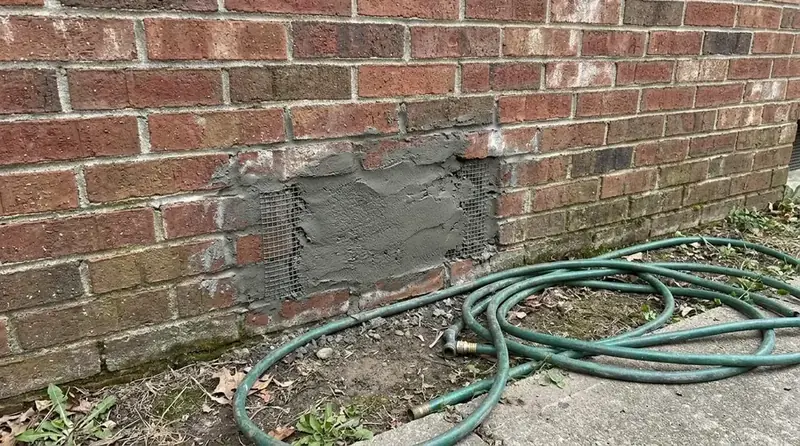
Rats enter through gaps around pipes, vents, foundations, rooflines, damaged sewer lines and utility openings. Inside, they travel through gaps in drywall, plumbing chases and open stud bays. Wall voids give them warmth and shelter.
Signs besides sound
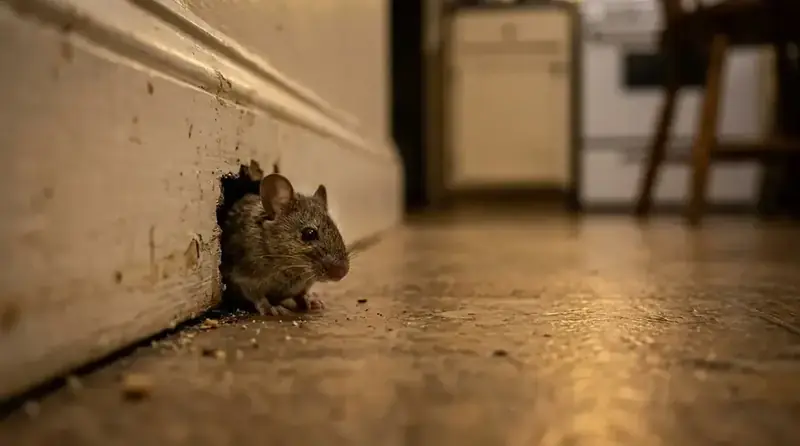
Greasy rub marks near holes, droppings near baseboards, gnawed holes in drywall, chewed wires, odors and pets reacting to walls. Light stains on ceilings may indicate urine.
What not to do
Do not pour poison into walls. Rats that die in walls cause odor for weeks and attract flies. Do not seal exterior gaps until the rats are out. Do not cut random holes in walls.
How professionals remove them
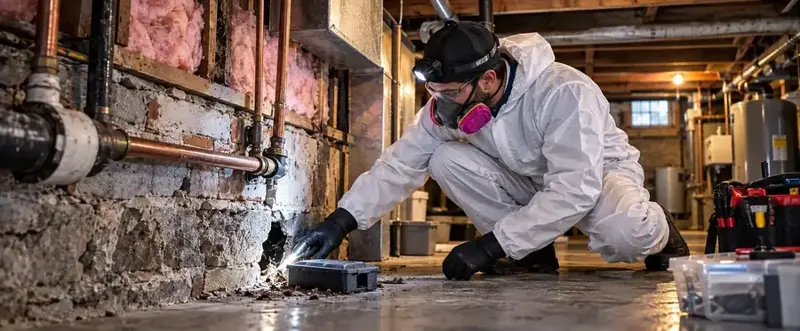
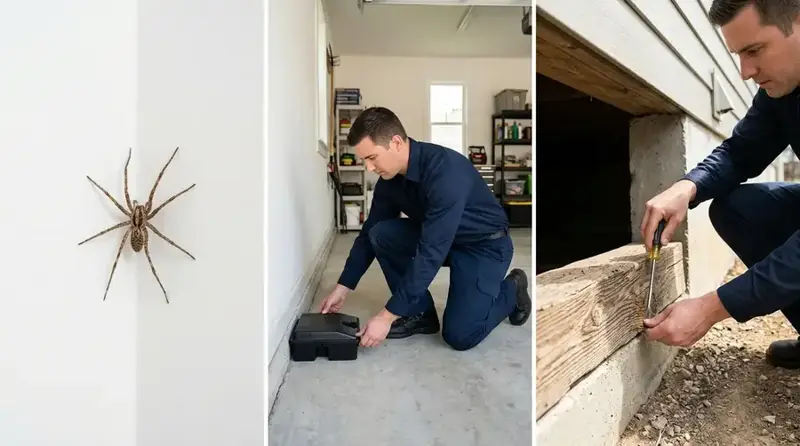
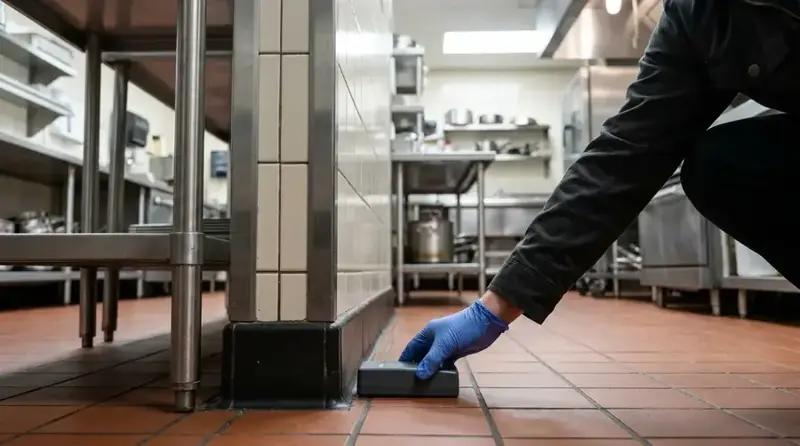
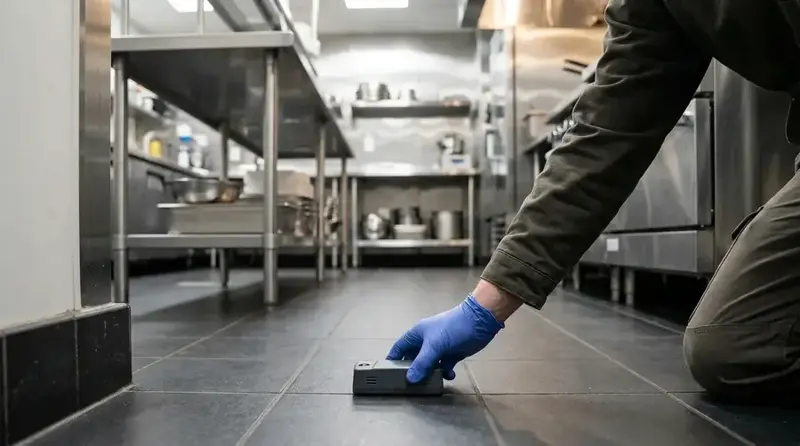
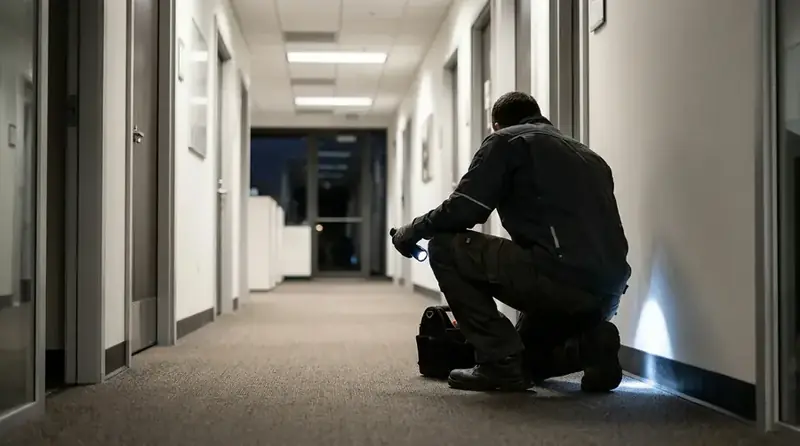
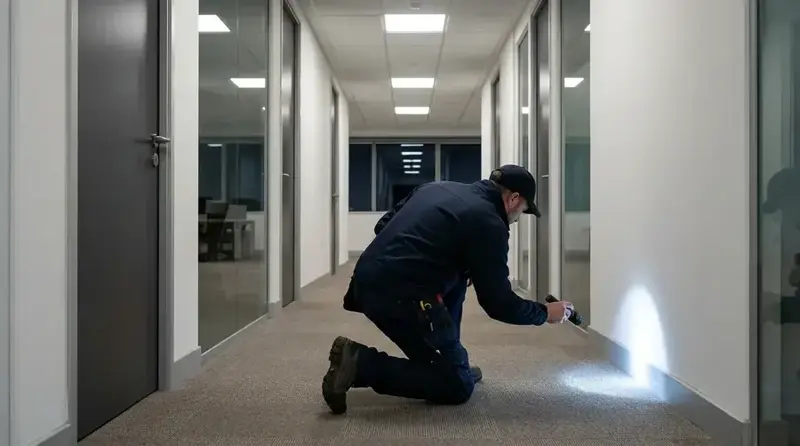
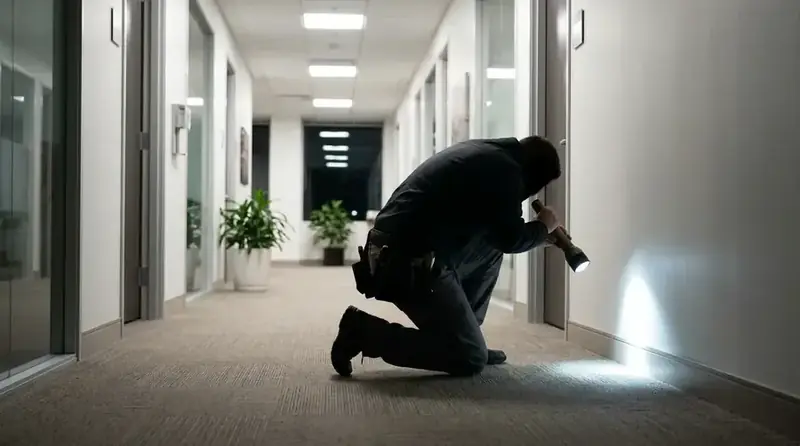
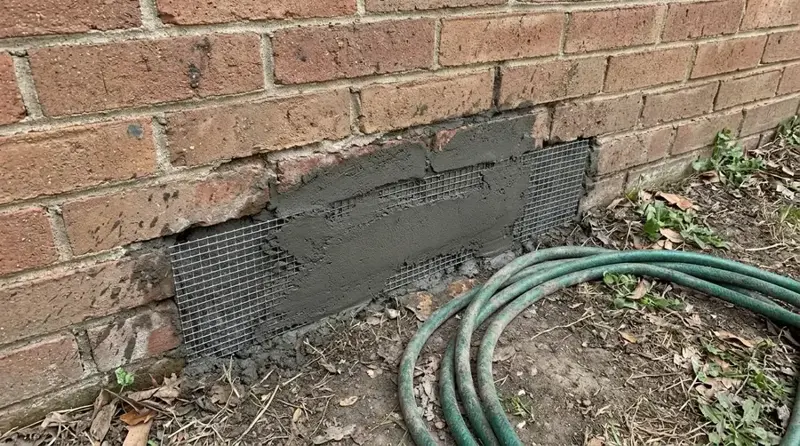
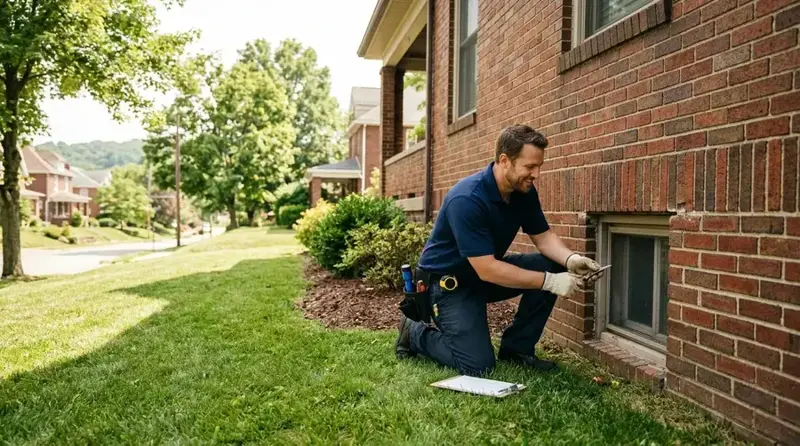
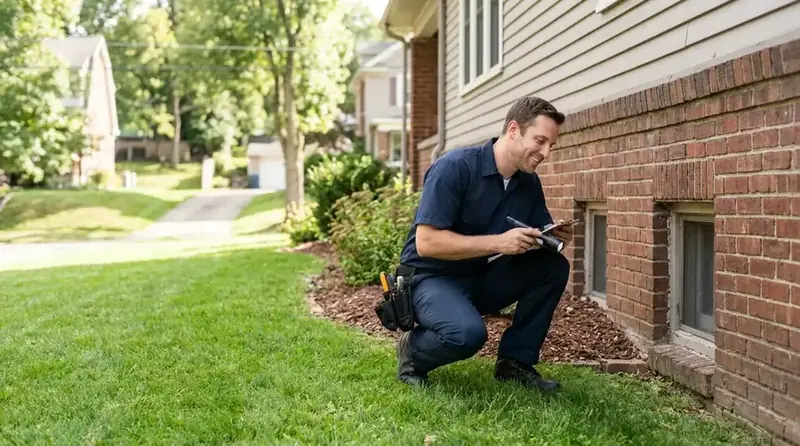
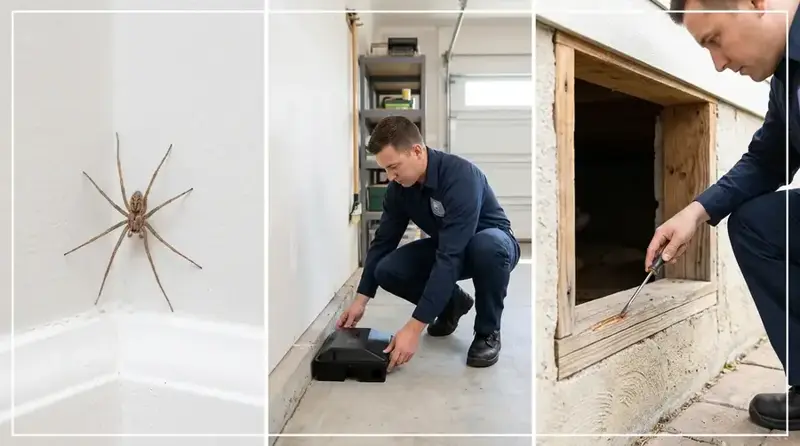
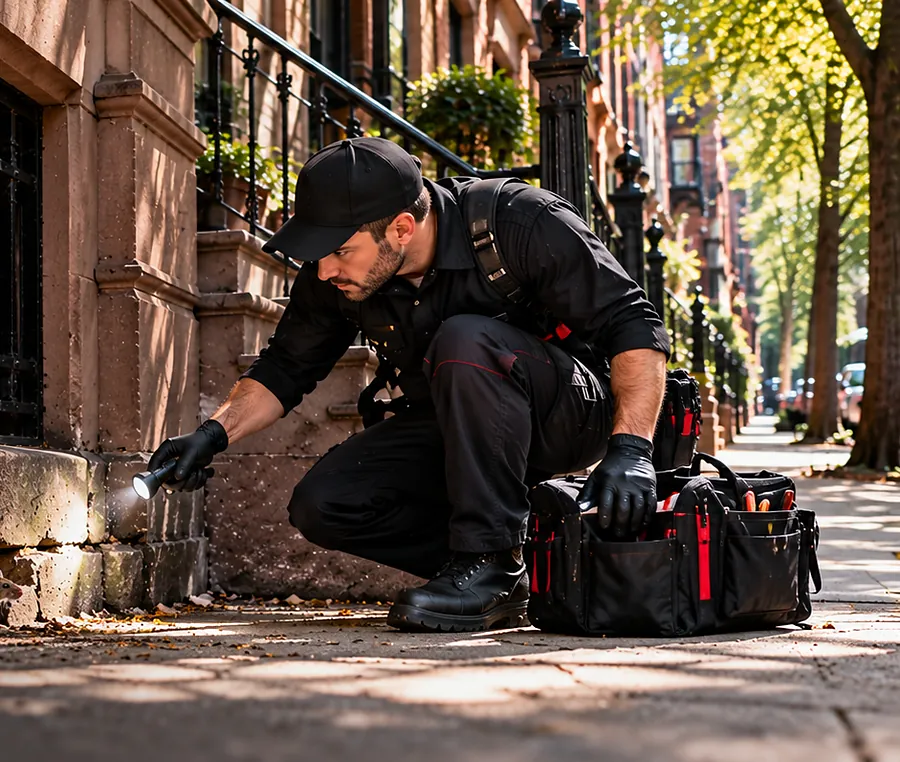
A technician identifies the species, finds the entry points and traps along runs. Small access holes may be opened for trap placement. Once activity stops, openings are sealed with metal and the access points are patched.
Dead rats in walls
If a rat dies in a wall, the smell can last one to two weeks. Locate the area by smell and sound, open a small access, remove the animal and disinfect. A professional can trace and remove it faster.
Preventing a return
Seal entry points with sheet metal and concrete, maintain the yard, store trash well and inspect each season.
Telling rats from mice, squirrels and pipes
Not every noise in a wall is a rat. Mice make light, quick scratching that stops and starts. Squirrels are active in daylight and make heavier running and rolling sounds in attics and exterior walls. Water hammer and expanding pipes create knocks and ticks that line up with plumbing use. Rats are usually heard at night, as a steady heavy scrabble or gnaw, sometimes with squeaks. If the sound moves along the wall in a line, repeats on the same path every night and is paired with droppings or grease marks at the baseboard, rats are the likely cause. Recording the noise on your phone and noting the time helps a technician decide where to start.
Where wall access usually exists
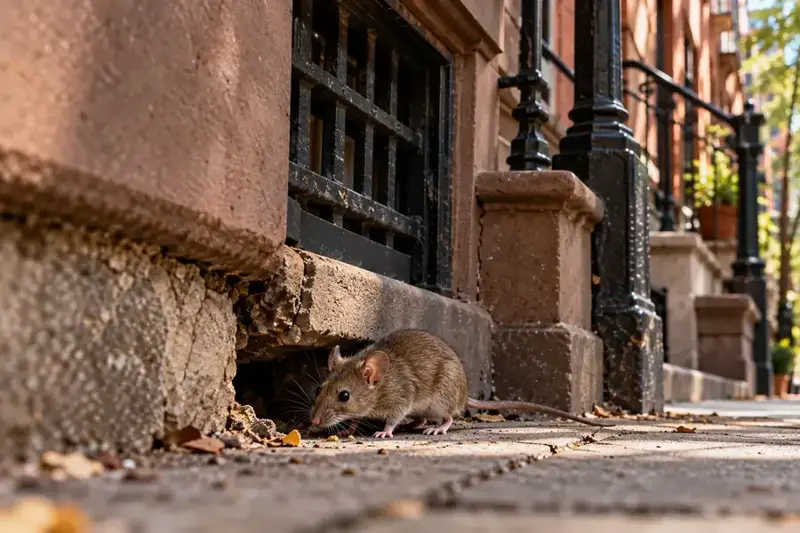
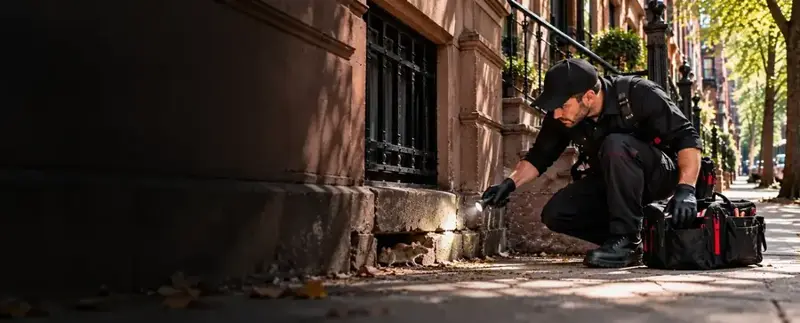
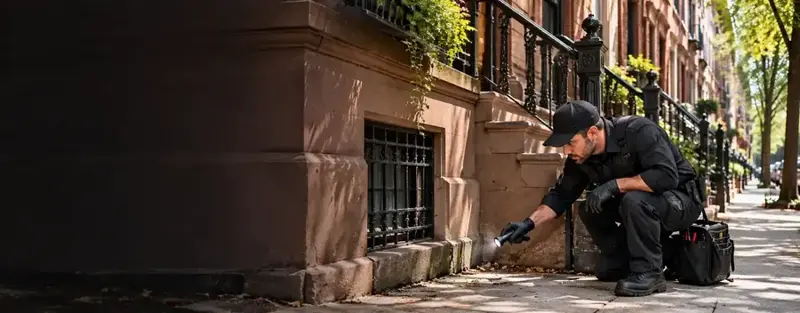
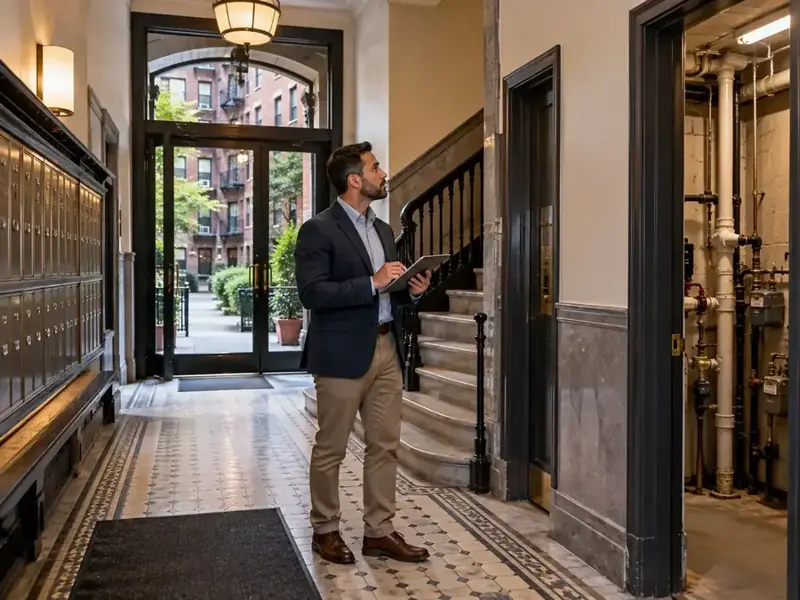
Rats get into wall cavities through the same few places in most buildings. Look at the gaps around pipes entering under sinks and behind toilets, the openings around gas and electric lines, the space behind kitchen cabinets, damaged vent covers on the roof or foundation, and broken or missing sections of sewer or drain pipe. In older buildings, open chases between floors act like elevators for rodents. In brownstones and rowhouses, party walls connect adjoining properties, so the entrance may be next door. A good inspection follows the signs from the interior to the likely exterior opening and checks both.
Why poison in a wall backfires
Many people put poison near a hole and hope the rat leaves to die outside. In reality, rats often return to their nest inside the wall before the poison takes effect. The carcass then decomposes between the studs, producing a strong odor that can last one to two weeks, drawing flies and maggots, and sometimes staining drywall. Poison can also put pets and wildlife at risk. Trapping along runways, with a plan to find and remove the animals, avoids this problem and gives you proof that the rat is gone.
What a trapping plan looks like
A good plan starts with identifying the runway, usually along a wall base or beside a pipe. Large snap traps or enclosed stations are set with the trigger end against the wall. Baits such as nuts, bacon or pet food are used, and traps are left unset for a day or two when rats are suspicious so they get used to them. Traps are checked every day or two, and results guide moves. When no catches occur for several days and noises stop, the technician moves to the sealing phase. If traps are placed too soon or too sparsely, rats learn to avoid them.
Closing the wall and fixing the damage
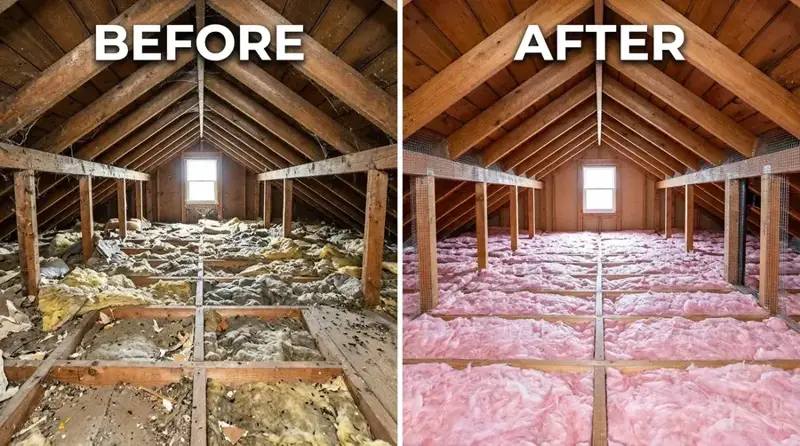
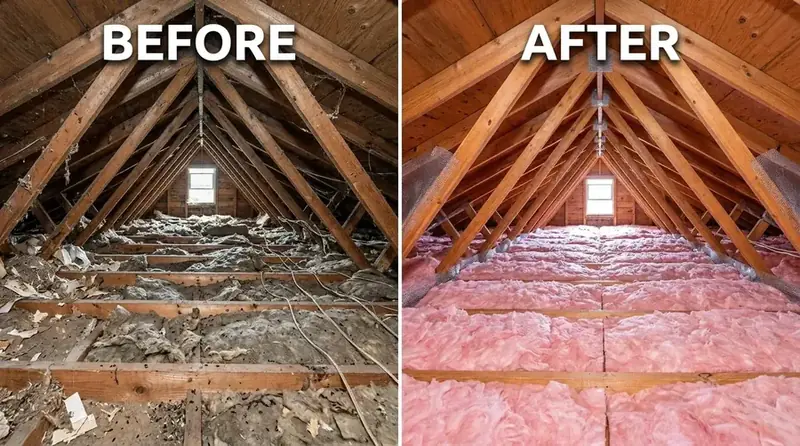
After the rats are gone, entry points are sealed with metal flashing, copper mesh, concrete patch or hardware cloth, since rats chew through plastic, foam and thin wood. Access holes cut for trap placement are patched. If insulation has been soiled, it is removed and replaced. Gnawed wires should be inspected by an electrician, since exposed conductors can be a fire hazard. Document the repairs, particularly in rentals, so that the landlord and any inspector can see that the problem has been addressed.
Preventing rats from coming back
Rats return to places that offer food and shelter. Keep trash in closed bins, repair leaking pipes, clear clutter along the foundation and keep vegetation trimmed back from the building. Check the seals twice a year, especially after construction or utility work that may disturb them. If you share a wall with neighbors, ask them to inspect their side. Prevention costs far less than another round of trapping.
Frequently Asked Questions
What do rats in walls sound like?
Heavy scratching, gnawing and thumping, mostly at night.
Can rats chew through drywall?
Yes. They can gnaw through drywall, wood and soft materials.
How long do dead rats smell?
Often one to two weeks.
Is poison safe in walls?
No. It causes odor and secondary problems.