Ant Bait Gel: How to Use It and When to Call a Pro
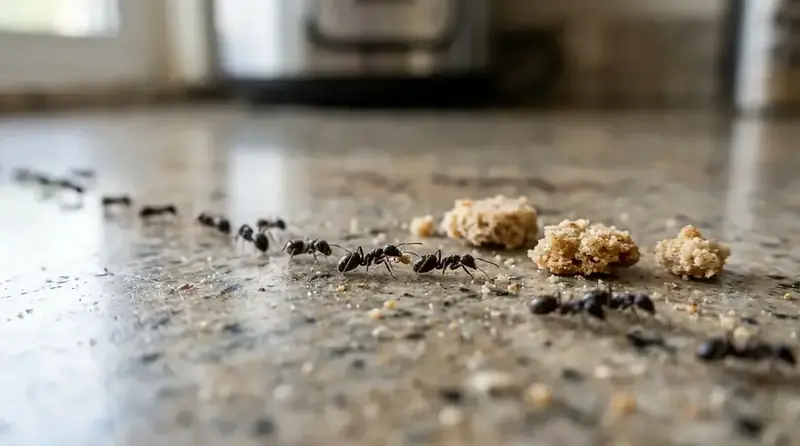
Gel baits work because worker ants carry the bait back to the colony. Do not spray the trails you are baiting.
- How baits work
- Placement
- Do not spray
- Be patient
- Clean up
- When to call
- Types of ants
- Placing bait well
- Prevent return
- Troubleshooting bait
- Outdoor ants
- Understanding colonies
- Preventing re entry
- Why baits beat sprays for most ants
- Sweet ants versus grease ants
- Where to place gel bait
- What to expect and when it fails
- Preventing the next trail
- Choosing the right bait
- Placement mistakes to avoid
- How long to wait
- Safety around children and pets
- Tracking progress
- Keeping notes that help
How baits work
Foragers feed on the bait and share it, which affects the nest.
Placement
Place small dabs on trails, near entry points and along baseboards.

Do not spray
Repellent spray can scatter ants and stop them feeding on bait.
Be patient
It can take days or weeks to see the full effect.
Clean up
Remove other food and wipe trails.
When to call
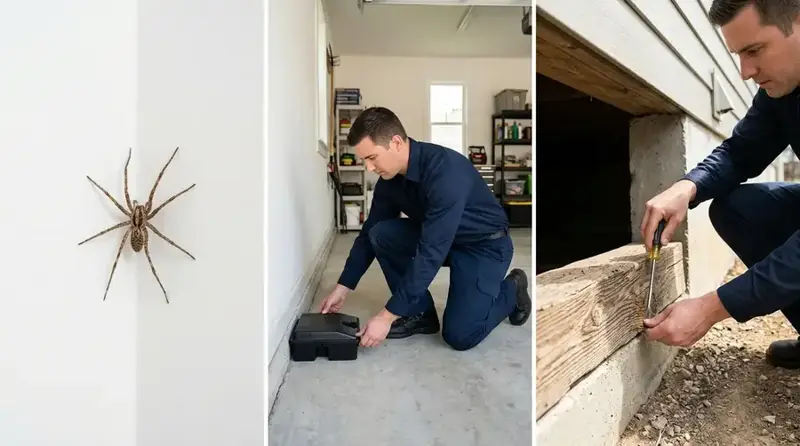
Carpenter ants, pharaoh ants and repeated infestations need professional help.
Types of ants
Sweet loving ants take sugar baits, while grease loving ants prefer protein baits. Identify the ant and use the right type. Carpenter ants nest in wood and need professional treatment.
Placing bait well
Place bait close to trails but not on them. Use small amounts and replace as it dries out. Keep away from children and pets.
Prevent return
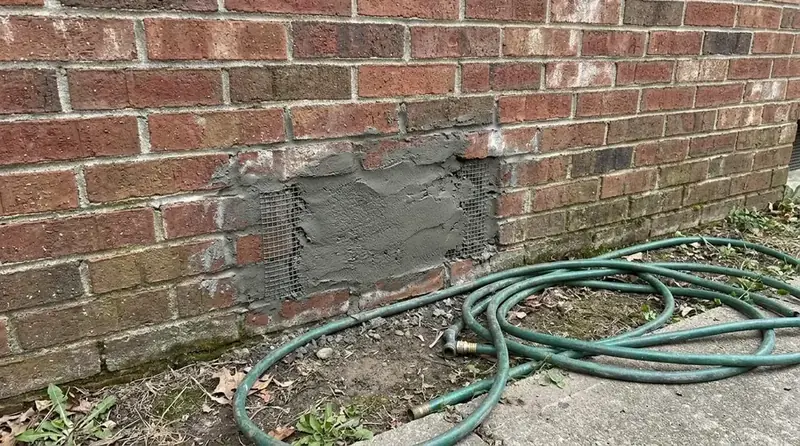
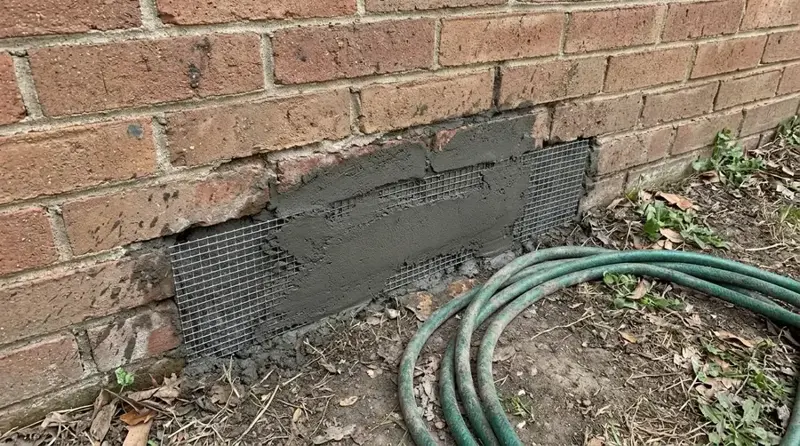
Seal entry gaps, remove food and moisture, and trim plants that touch the house.
Troubleshooting bait
If ants ignore the bait, switch to a different type. If ants swarm the bait, let them feed. If bait dries out, replace it. Keep it fresh.
Outdoor ants
Treat outdoor trails and nests. Trim plants. Remove mulch from the foundation. Seal gaps where ants enter.
Understanding colonies
Most colonies have many workers and a queen hidden in the nest. Killing visible ants does not end the colony. Baits aim to reach the nest.
Preventing re entry
Clean trails with soap and water to remove scent trails. Seal gaps near windows and doors.
Why baits beat sprays for most ants
Ant colonies live in nests that may be inside walls, under slabs or outdoors. Foragers you see are only a small part of the colony. A bait is slow acting so foragers carry it back and share it with the queen and the brood. A contact spray kills the ants that touch it, but it can scatter the colony and trigger budding, where one colony splits into several.
Sweet ants versus grease ants
Ants shift diets with the season. Many species take sweet baits in spring and summer and protein or grease baits when they feed brood. If ants ignore a bait, swap the type. Offering both sweet and protein options on a small card near trails helps you see what they want. Common house ants include odorous house ants, pavement ants and pharaoh ants, each with different habits.
Where to place gel bait
Put small beads along trails, near entry points such as window sills and door thresholds, and where ants come out of cracks. Keep bait away from cleaning sprays and wipe trails with plain soap and water rather than repellent products. Keep bait away from children and pets. Place it in the evening if ants are most active then.
What to expect and when it fails
You may see more ants for a day or two as they swarm the bait. This is a good sign. Colonies often decline within one to three weeks. If ants return after six weeks, there may be a satellite nest or an outdoor source. Carpenter ants, which excavate wood, and pharaoh ants, which spread when sprayed, need professional inspection.
Preventing the next trail
Seal cracks around windows and foundations, trim shrubs touching the building, move mulch back from the foundation, fix leaks and store food in sealed containers. Wipe counters and take out trash promptly. Our ant control pages explain how we handle different species.
Choosing the right bait
Sweet baits suit sugar eating ants, protein baits suit grease eating ants. Observe for a day to learn which food the ants prefer. Use a small test amount of two baits.
Placement mistakes to avoid
Do not spray repellent near bait. Do not wipe away trails. Place small dots in cracks and along trails, not in large piles. Replace bait as it dries.
How long to wait
Colonies may take one to three weeks to fade. Increased ants at first is a good sign, as workers are carrying bait. Keep sanitation up.
Safety around children and pets
Place gels in cracks and behind appliances, or use enclosed bait stations. Do not put bait on counters. Keep products in original packaging. Wash your hands after use. If a child or pet eats bait, call Poison Control at 1-800-222-1222. Remove bait when the trail disappears and store leftover product in a locked cabinet.
Tracking progress
Mark the trail with a dated note, watch the ant count each day and add bait only where ants still feed. When you see no ants for a week, clean the area.
Keeping notes that help
Write down which bait you used, where you placed it and when ants stopped appearing. If a bait fails after a week, switch to the other type and note the change. These notes help you, or a technician, choose the right product next time.
Frequently Asked Questions
How long does ant bait take?
Days to weeks.
Is bait safe around pets?
Keep it out of reach.
Why are more ants appearing?
They are feeding on the bait.