How Much Does Pest Control Cost? Prices by Pest and Plan

Pest control prices vary by pest, property size, severity and location. Always get a written quote with scope and visit count.
- One time vs recurring
- Rodent work costs more
- Bed bugs and roaches
- What affects the quote
- Red flags
- Questions to ask
- Why pests are priced differently
- Comparing quotes
- Ways to save
- A budgeting example
- What a guarantee means
- Regional differences
- Contracts and cancellation
- Typical price drivers in detail
- Rodent control pricing
- Insect treatment pricing
- Recurring plans versus one time visits
- How to compare companies
- Factors in the price
- Plans versus one time visits
- Getting an accurate quote
- Rodents versus insects in pricing
- Warning signs in quotes
- Keeping notes that help
One time vs recurring
One time visits suit single pests. Recurring plans cover common insects through the year. Many providers quote roughly $100 to $300 for a one time visit and lower per visit costs for plans, but ranges vary widely by region.
Rodent work costs more
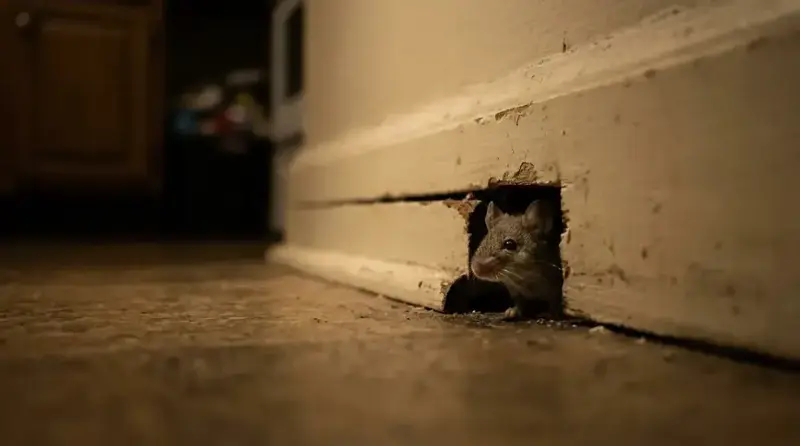
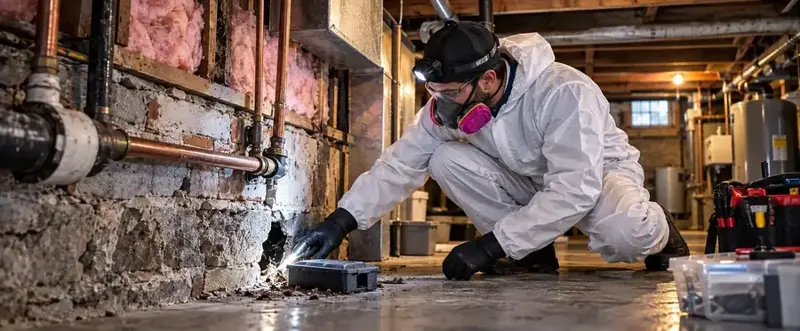
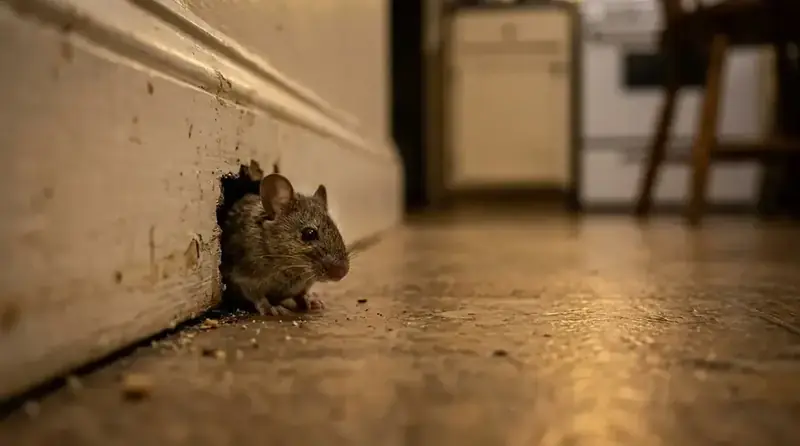
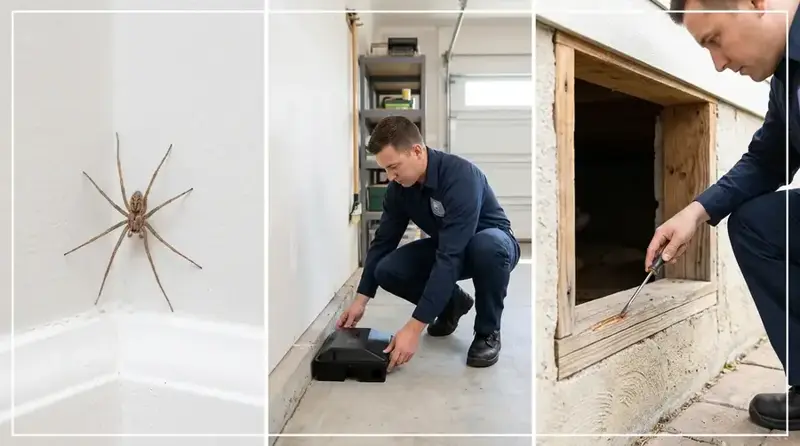
Rats and mice need inspection, trapping and sealing, plus follow up. This usually costs more than a basic insect treatment.

Bed bugs and roaches
Bed bugs often need two treatments or heat. German roach cases can need follow up visits.
What affects the quote
Size of the home, level of infestation, number of entry points, access and how many visits are needed.
Red flags
A price over the phone without inspection, no written scope and pressure to sign long contracts.
Questions to ask
What is included, how many visits, what is guaranteed and what happens if pests return.
Why pests are priced differently
Ants and spiders often need targeted treatments. Roaches and bed bugs need repeated visits. Rats and mice need sealing as well as trapping. Mosquito programs run on seasonal schedules.
Comparing quotes
Compare scope, not only price. A lower quote with no sealing or follow up may cost more in the end. Ask for written terms.
Ways to save
Prepare the home, follow instructions, fix leaks and store food well. These reduce the number of visits.
A budgeting example
A homeowner with a mouse problem might need an inspection, a handful of traps, sealing and a follow up. A homeowner with ants may need a baiting visit and a perimeter treatment. A landlord with roaches may need multiple units treated. Each case is different.
What a guarantee means
A guarantee should state how long, what is covered, and what you must do. Be wary of vague promises. Ask for a written copy.
Regional differences
Prices tend to be higher in large cities and in areas with strict regulation. Rural areas may add travel fees. Always compare quotes in your area.
Contracts and cancellation
Read cancellation terms. Avoid long contracts without clear service scope. Short term plans may suit one time problems.
Typical price drivers in detail
Property size changes labor and product use. A studio apartment costs less than a five bedroom house. Severity matters: a few ants are different from a colony. Access is a factor: attics, crawl spaces and locked rooms add time. Number of visits matters: bed bugs and roaches often need follow ups. Finally, local labor costs and regulation shape pricing.
Rodent control pricing
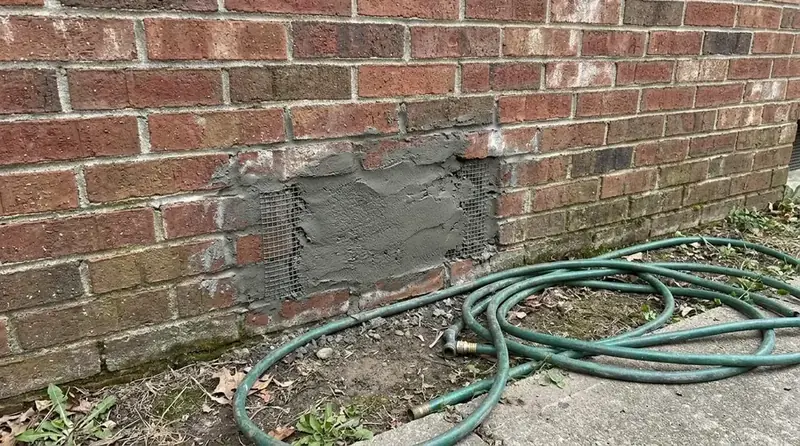
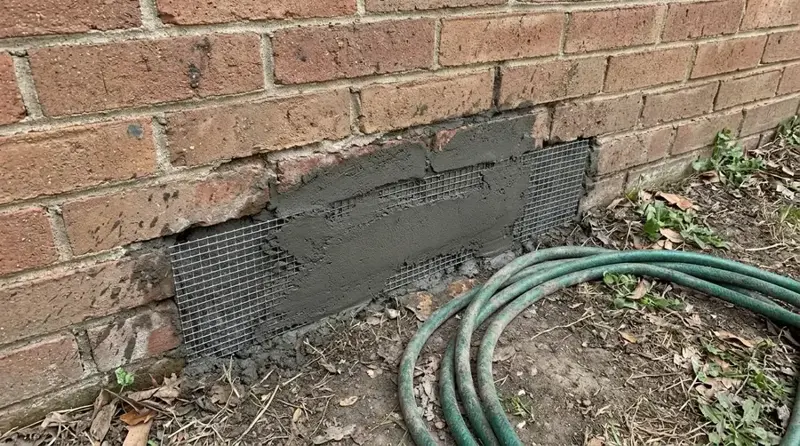
Rodent jobs combine inspection, trapping, sealing and follow up. Sealing is often the largest cost because it requires materials and skill. Ask how many entry points are included and what materials are used. A low price with no sealing will likely lead to repeat visits.
Insect treatment pricing
Ants, spiders and general pests are often handled in one or two visits. Roaches and bed bugs need more planning. Mosquito programs are seasonal. Wasp nest removal is often a single visit with a fixed fee.
Recurring plans versus one time visits
Recurring plans bring lower cost per visit and regular monitoring. One time visits suit single problems. Compare what is covered, such as the pests, interior and exterior service, and callback terms.
How to compare companies
Ask for licensing and insurance, written scope, product information, guarantee terms, and references. Compare the plan, not only the price. Check online reviews and local reputation.
Factors in the price
Type of pest, property size, level of infestation, number of visits and whether sealing or cleanup is included all affect the quote. Rodent work often costs more than ant or spider treatment.
Plans versus one time visits
Quarterly or monthly plans spread costs and prevent problems. One time visits suit isolated issues.
Getting an accurate quote
Ask for inspection first, request a written scope, compare what is included and check the warranty. Beware of prices that sound too low.
Rodents versus insects in pricing
Insect services such as ants or spiders are often priced by visit. Rodent services involve inspection, sealing, trapping and follow up, so the cost reflects more labor and materials. Bed bug work is priced by room and method. Ask for the price breakdown so you can see what is included. Rental properties may need proof of service, which should be part of the quote.
Warning signs in quotes
Be careful with quotes that promise instant results, ask for large payments upfront or refuse to put terms in writing. A reliable provider shares details and gives you time to decide.
Keeping notes that help
Keep every quote and invoice in one folder, with the scope, the number of visits and the warranty terms. When a problem returns, you can compare what was promised with what was done. This also helps when you choose between providers next time.
Frequently Asked Questions
Is pest control worth it?
For rodents, bed bugs and roaches, usually yes.
Do I need a contract?
Not always.
Why do prices differ by city?
Labor and regulation vary.