How to Dispose of a Dead Mouse or Rat Safely
Dead rodents should be handled with gloves, sealed in a bag and disposed of in the trash. Disinfect the area afterward and wash your hands.
- Protect yourself first
- Disinfect before moving
- Bag and dispose
- Clean the area
- Dead animals you cannot reach
- Why animals died
- Why handling matters
- Step by step with a trap
- Step by step in an open area
- What the trash rules say
- Smell, flies and what comes after
- When one dead rodent signals a bigger issue
- Quick reference
- Teaching children and roommates
Protect yourself first
Wear rubber or nitrile gloves. Add a mask if the area is dusty or enclosed. Avoid touching the animal with bare hands. Keep children and pets away. Ventilate small rooms by opening windows.
Disinfect before moving
Spray the animal and the area with disinfectant or a bleach solution made for cleanup, and let it soak for about five minutes. This reduces dust and germs. Never mix bleach with ammonia.
Bag and dispose
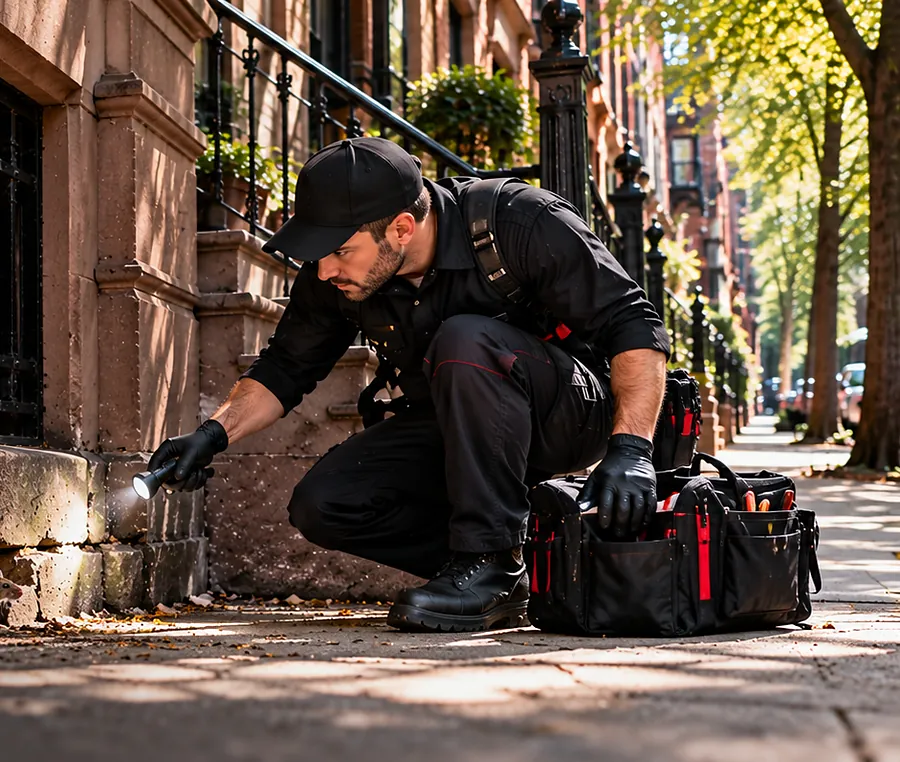
Pick up the animal with paper towels or a trap release and place it in a plastic bag. Seal that bag inside a second bag. Place it in an outdoor trash bin with a lid. Follow local rules, since some areas ask you to double bag or take other steps.
Clean the area
Wipe the surface with disinfectant, then clean again with soap and water. Throw away used paper towels and gloves in a sealed bag. Wash your hands for at least twenty seconds.
Dead animals you cannot reach
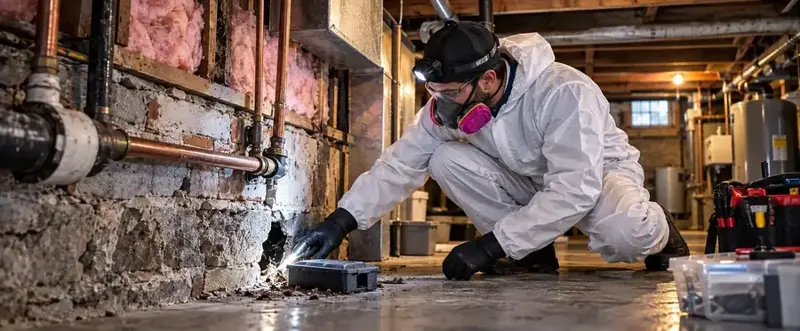
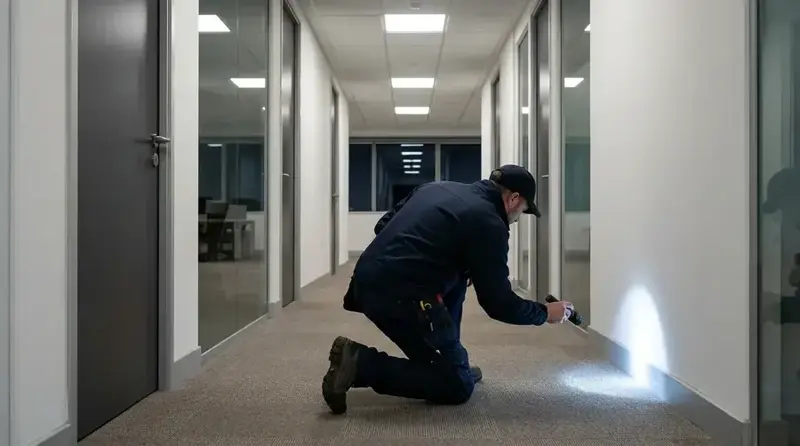
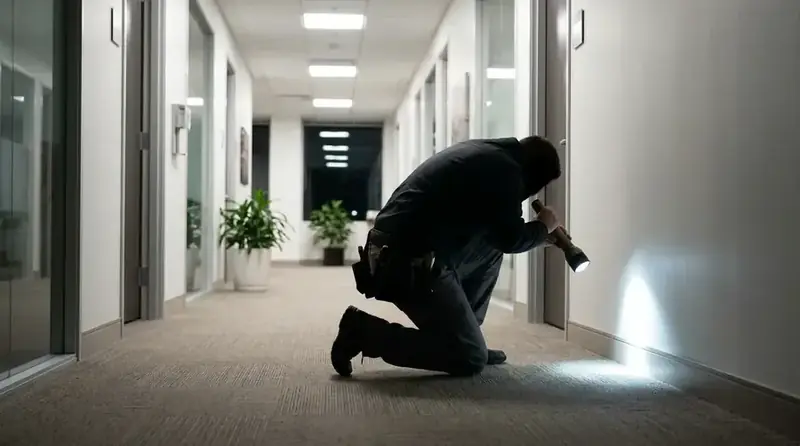
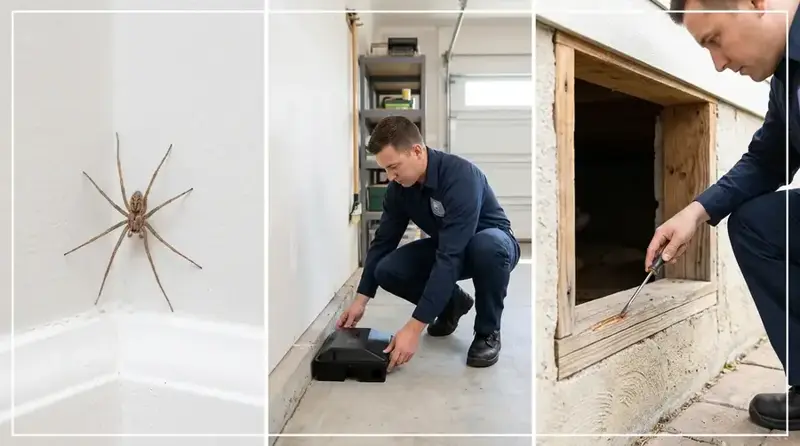
If you smell a dead animal in a wall, ceiling or crawl space, a technician can find and remove it. Tools and access holes help avoid cutting large areas.
Why animals died
If you find several dead animals, consider whether poison was used. Poisoned rodents can harm pets. Switch to traps and sealing.
Why handling matters
A dead rodent can carry bacteria, parasites and viruses. Fleas and mites leave the cold body and look for a new host, so the risk is not only from the animal itself. Urine and droppings around it add to the exposure. This is why gloves, damp cleanup and careful bagging are the standard. You are not likely to get sick from a quick, careful disposal, but shortcuts such as picking the animal up bare handed or sweeping dry droppings raise the risk.
Step by step with a trap
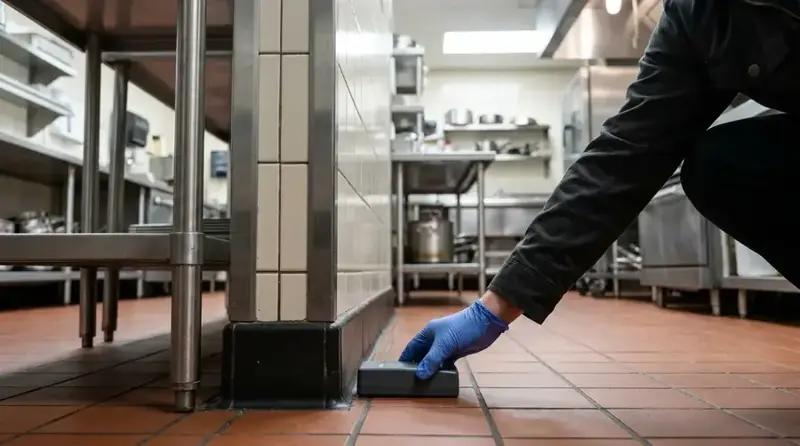
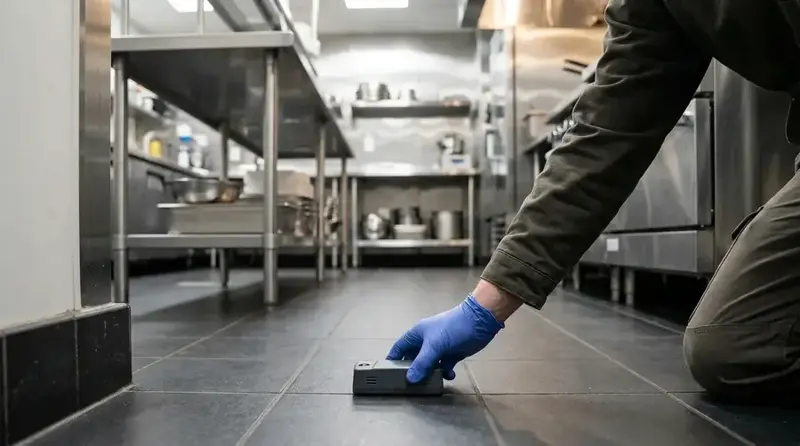
If the animal is in a snap trap, wear gloves, lift the trap with the animal still in it and place both in a bag, or release the bar and let the animal drop into the bag. Seal the bag, place it inside a second bag and close that. Wipe the trap area with disinfectant. Traps can be reused after cleaning if they are in good condition, but many people discard them for convenience. Glue boards should be bagged whole with the animal on them. Wash your hands for at least twenty seconds when finished.
Step by step in an open area
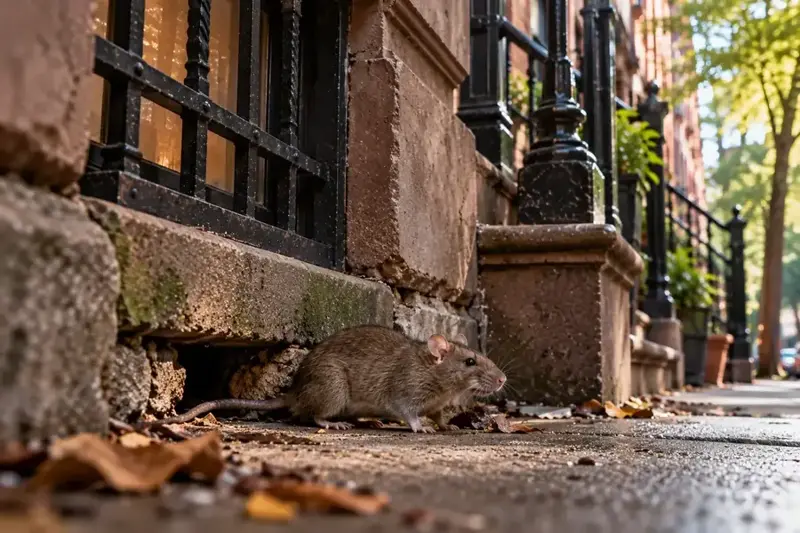
If you find an animal on the floor or in a corner, spray it lightly with disinfectant so that fleas stay put and dust is controlled. Wait several minutes. Use a paper towel or a tool such as a scoop to place it in a bag. Spray the surface again and wipe. Put all paper towels and gloves in a bag and seal. If the animal is large, such as an adult rat, use two layers of bags and tie both. Keep pets and children out of the room during cleanup.
What the trash rules say
In most places, a sealed bag in a closed outdoor trash bin is acceptable. Some cities ask that you tie the bag and keep it separate from recycling. In multi unit buildings, follow the building's trash rules and avoid leaving a bag in a shared hall. Burying is not recommended, since pets and wildlife may dig it up. Never flush a rodent. If you have found many dead animals at once or suspect a disease outbreak, contact local health authorities.
Smell, flies and what comes after
A dead animal inside a wall or ceiling produces odor for about one to two weeks as it decomposes. Flies may appear and sometimes larvae. Ventilate the room, use odor absorbers such as activated charcoal and consider an enzyme cleaner for the area once the carcass is removed. If the source cannot be located, a technician with scent tracking experience can find it quickly and remove it with minimal wall damage.
When one dead rodent signals a bigger issue
One dead mouse in a trap is a result. A dead rodent found without a trap, particularly more than one, can suggest poison use nearby or illness in the population. If your neighbors use poison, pets can be at risk through secondary exposure. Keep pets away from dead animals and call a vet if they eat one. The longer lasting fix is to seal the building and keep traps in use, so that no new animals enter.
Quick reference
Gloves on, spray, bag twice, bin, clean, wash hands. If in a wall, call a pro.
Teaching children and roommates
Explain that animals should not be touched. Show them where gloves and bags are kept and who to call. Clear rules prevent accidents.
Frequently Asked Questions
Can I touch a dead mouse?
Not with bare hands. Use gloves.
Where should I put it?
Double bagged in a covered outdoor trash bin.
How do I stop the smell?
Remove the animal, disinfect and ventilate.
What if it is in a wall?
A professional can locate and remove it.