Types of Rodents in the US and Which Ones We Treat

The United States has many rodents, but a handful cause most household problems. Knowing which one you have decides the plan.
- Norway rat
- Roof rat
- House mouse
- Deer mouse and white footed mouse
- Rodents we do not treat
- Why species matters
- Why identification affects cost
- Regional patterns
- Health and property risks
- A short field guide
- When to call a professional
- Habitat differences
- Size and entry points
- Why there are so many rodent types
- Regional differences
- Health and damage
- Species that need different plans
- Where we fit
- Rodents common in homes
- Rodents mostly outdoors
- How to tell them apart
- Why correct identification matters
- Regional differences
Norway rat
Large, heavy bodied, burrows in soil and basements. The most common city rat.
Roof rat
Slim, long tailed climber that nests in attics, trees and rooflines. Common in warm and coastal areas.

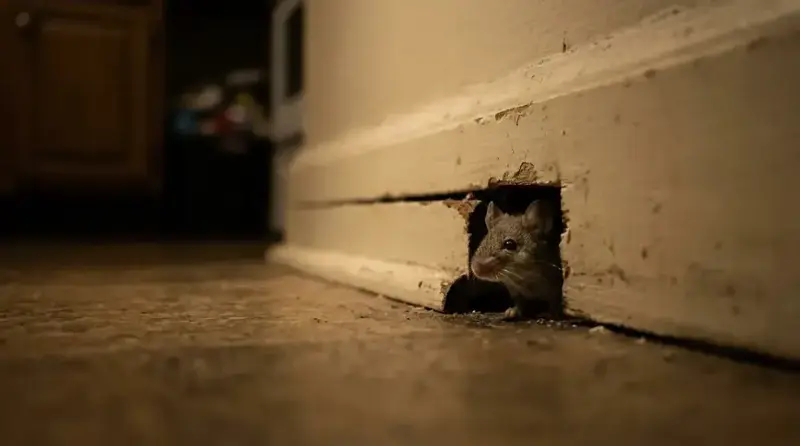
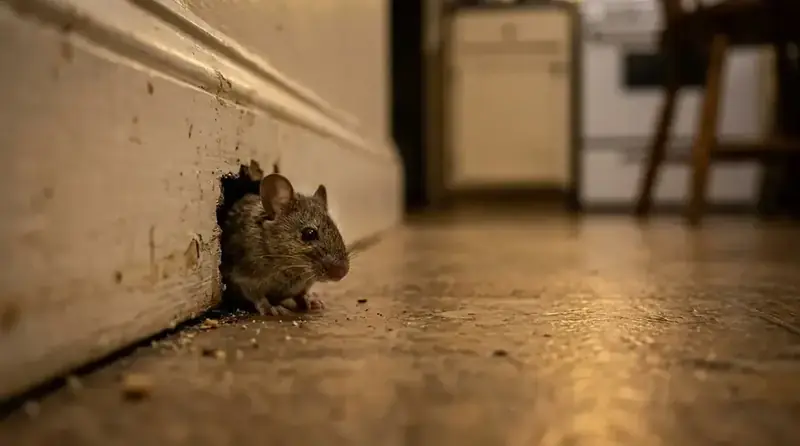
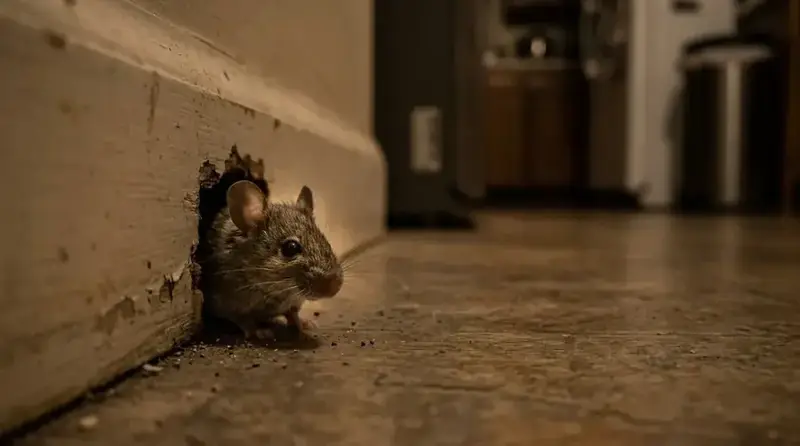
House mouse
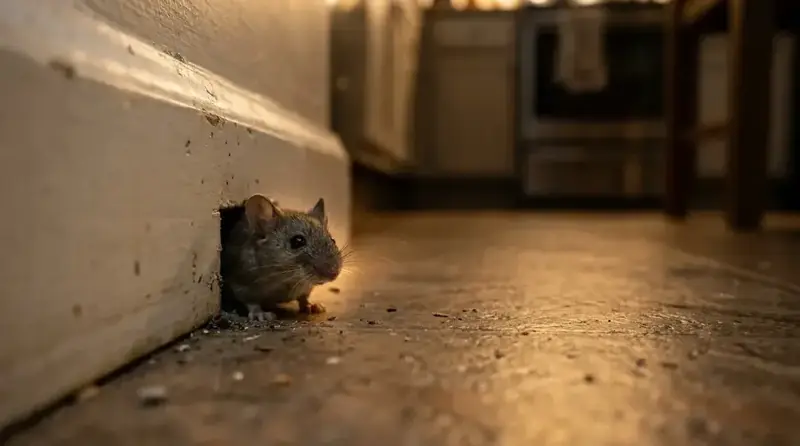
Small, light brown to gray, nests inside buildings, and is the most common indoor rodent.
Deer mouse and white footed mouse
Larger eyes and white bellies. They live in fields and woods and enter cabins, sheds and homes. Deer mice are linked to hantavirus.
Rodents we do not treat
Squirrels, chipmunks, woodchucks and groundhogs are rodents too, but they are wildlife and handled by wildlife specialists. We treat rats and mice.
Why species matters
A burrowing Norway rat needs yard and foundation work. A roof rat needs roofline sealing. A house mouse needs interior trapping and tight gaps.
Why identification affects cost
A burrowing rat in a yard needs exterior treatment and fence line work. A house mouse inside needs trapping and sealing. A deer mouse in a cabin needs careful cleanup because of hantavirus. A correct identification avoids paying for the wrong job.
Regional patterns
Roof rats are more common in the South, the Gulf coast and the West coast. Norway rats are found across cities nationwide. Deer mice and white footed mice are common across rural and wooded areas. House mice live almost everywhere people do.
Health and property risks
Rodents contaminate food, chew wires and insulation, and can carry germs. The risk depends on species and exposure. Seal entry points, store food well and clean safely to reduce risk.
A short field guide
Norway rat: 7 to 9 inches body, thick tail shorter than the body, small ears. Roof rat: slimmer, tail longer than the body, larger ears. House mouse: 2.5 to 3.5 inches, uniform color. Deer mouse: two tone fur with a white belly. These differences guide trap size and placement.
When to call a professional
If you cannot identify the animal or if droppings and noises continue after trapping, call a professional. Correct identification saves time and money, and ensures the plan fits the species.
Habitat differences
Norway rats like ground level burrows and sewers. Roof rats prefer elevated spaces and trees. House mice hide in wall voids and cabinets. Deer mice live in woodpiles and sheds. Habitat guides trap and sealing choices.
Size and entry points
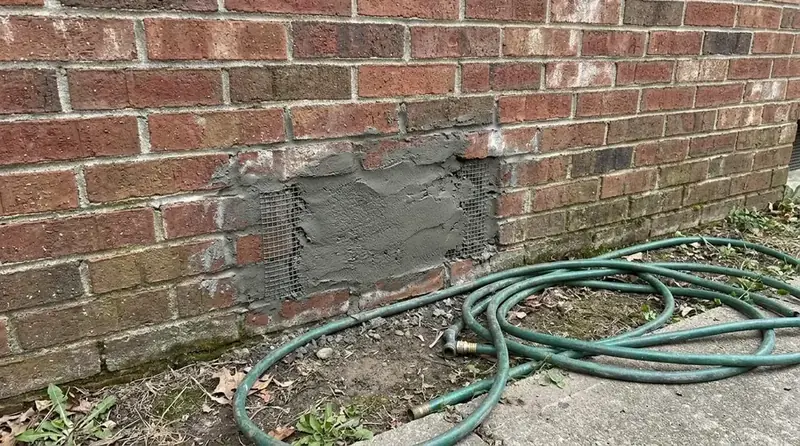
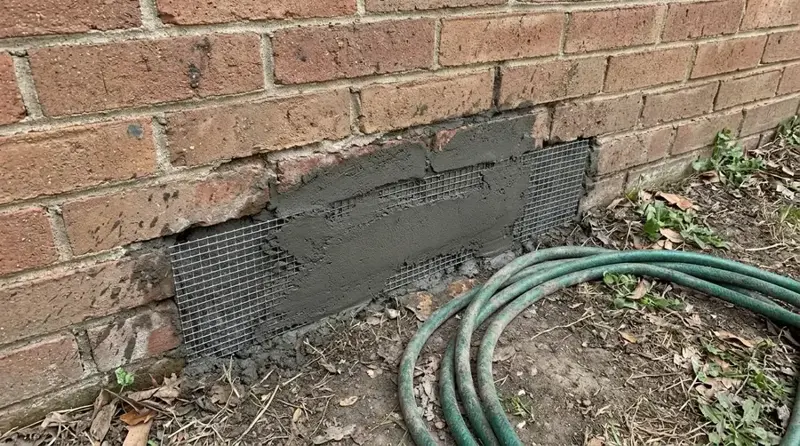
A house mouse fits through a quarter inch. A Norway rat needs roughly half an inch. These sizes determine the mesh and sealing materials.
Why there are so many rodent types
Rodents are the largest group of mammals, and the United States has well over a hundred species. Only a few live close to people, because they thrive on the same food and shelter that homes and businesses provide. Knowing which ones are common in your region helps you spot early signs.
Regional differences
The Norway rat is found in cities throughout the country. The roof rat is common along the Gulf and Atlantic southeast and on the West Coast, where mild winters and trees help. Deer mice and white footed mice are widespread in rural and wooded areas. House mice live almost anywhere. Pack rats, or woodrats, are found in the arid West and sometimes nest in vehicles and outbuildings.
Health and damage
Rats and mice can contaminate food with urine and droppings, gnaw on wiring and insulation, and spread germs through bites and surfaces. Some rodents can host fleas, mites and ticks. The risk depends on the species, the exposure and the cleanup.
Species that need different plans
A burrowing Norway rat needs outdoor treatment and fence line sealing. A climbing roof rat needs roofline and tree work. A house mouse needs interior trapping and tiny gap sealing. A deer mouse in a cabin needs careful cleanup and hantavirus precautions. Using the wrong approach wastes time.
Where we fit
We treat rats and mice and the common household insects listed on our services page. Squirrels, chipmunks, woodchucks and groundhogs are rodents too, but they are wildlife and need a licensed wildlife specialist.
Rodents common in homes
House mice, Norway rats and roof rats account for most indoor problems. Deer mice and voles appear in rural areas.
Rodents mostly outdoors
Squirrels, chipmunks, groundhogs and beavers live outdoors and are handled by wildlife specialists.
How to tell them apart
Check size, tail length, ear size and droppings. Photograph evidence and ask a professional.
Why correct identification matters
Different species carry different risks and need different methods. A deer mouse in a cabin has different hantavirus risk than a house mouse in a city flat. Identify first, then choose.
Regional differences
Roof rats are common in southern coastal states, Norway rats in northern cities, deer mice in the West and Midwest. Local knowledge helps in planning.
Frequently Asked Questions
Which rodent causes most problems?
House mice and Norway rats.
Do you treat squirrels?
No. We focus on rats, mice and common insects.
How do I tell which I have?
Droppings size, location and noises help. A technician can confirm.