Rodents Chewing Car Wires: Signs, Repair Costs and How to Stop Them

Rodents chew car wiring because the insulation is soft, the engine bay is warm and parked cars offer shelter. The damage can disable a car, so clearing nests, removing food and blocking access are the first steps.
- Why rodents go for cars
- Warning signs to check
- What repairs can cost
- Safe cleaning of the engine bay
- Stopping rodents from coming back
- Special cases: long term parking and storage
- When to get professional help
- What mechanics look for during a rodent inspection
- A routine for vehicles that sit
- Garages that connect to the house
Why rodents go for cars
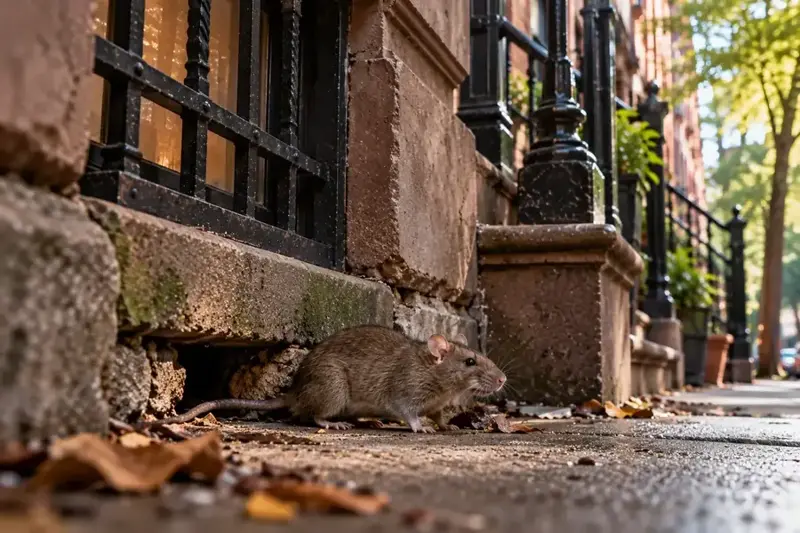
An engine bay is warm after a drive, sheltered from wind and predators and full of soft materials. Rats and mice use air filter boxes, cabin air intakes, under hood insulation and gaps around the battery as nest sites. Their incisors never stop growing, so they gnaw to wear them down. Some modern wire coatings use plant based materials, and rodents are sometimes drawn to them. Cars parked for days in garages, driveways near brush or beside dumpsters are the most exposed.
Warning signs to check
Look for droppings on the engine cover, air filter box and cabin filter. Look for shredded insulation, leaves, paper or fabric packed into corners. Gnaw marks on hoses, wires and plastic covers are another sign. Dashboard warning lights, a car that will not start, a strange smell from the vents and a rattling noise from under the hood after a night parked can all point to rodents. Check the trunk and spare tire area as well.
What repairs can cost
A simple clean out and replacement of the air filter may cost little. Replacing a chewed wiring harness can cost hundreds to several thousand dollars depending on the vehicle and labor. Insurance may cover rodent damage if you have comprehensive coverage, so check your policy and keep photos. Prompt cleaning reduces the chance of damage building up.
Safe cleaning of the engine bay
Wear gloves and a mask. Spray nests and droppings with disinfectant, wait several minutes and remove them with paper towels. Bag the waste and wash your hands. Do not use a leaf blower or dry brush, which spreads dust. Clean the cabin air filter and the intake area. If you find chewed wires, have a mechanic check them before driving, as exposed conductors can cause shorts or fires.
Stopping rodents from coming back
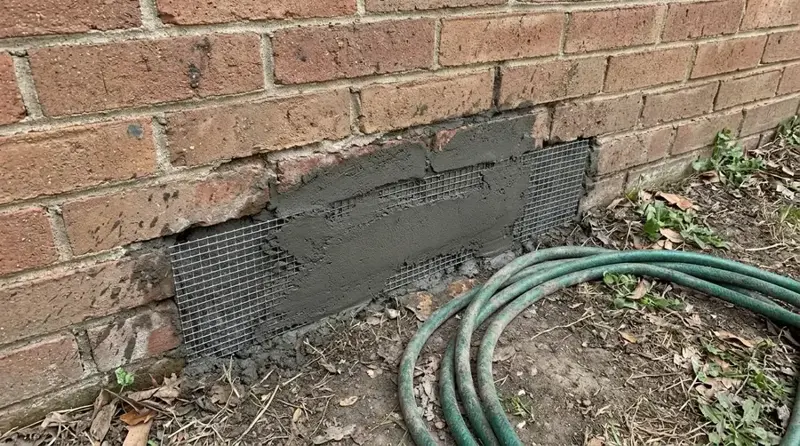
Park in a clean garage with sealed gaps. Keep pet food, bird seed and trash away from the parking area. Remove clutter along walls. Leave the hood slightly open in a secure garage so the engine bay is less appealing. Place traps in stations near the car, not under the hood. Peppermint oil and sprays have limited proof of working, so use them only as an extra step. Seal the garage door with a good bottom seal and repair wall gaps.
Special cases: long term parking and storage
For classic cars, boats and RVs stored for months, use sealed covers, block exhaust and intake openings with removable mesh, and inspect monthly. Place traps and monitoring stations around the vehicle. Tell storage facility managers if you see droppings, so that they can treat nearby units.
When to get professional help
If you find rodents in more than one vehicle, if you keep finding nests, or if the garage has signs of rats, an inspection of the building is needed. We seal garages and trap along the paths animals use. Combined with parking habits, this protects your car and your wallet.
What mechanics look for during a rodent inspection
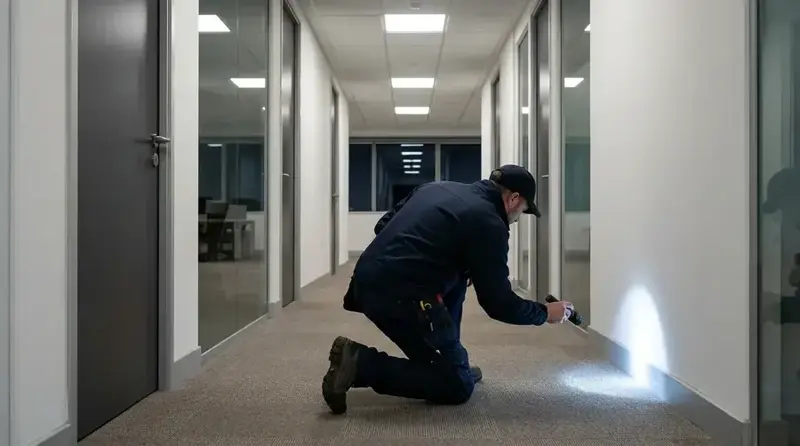
A mechanic will check the air filter housing, the cabin filter, the area around the battery, the firewall, the wiring harness near the engine and any rubber hoses. They look for gnaw marks that show bare copper, droppings, and nests packed under plastic covers. They may also test circuits to catch damage that cannot be seen. Ask for photos of what they find, since these help with insurance claims and show you where rodents are entering. If the shop reports repeated damage, treat the garage or parking area as the source and fix it.
A routine for vehicles that sit
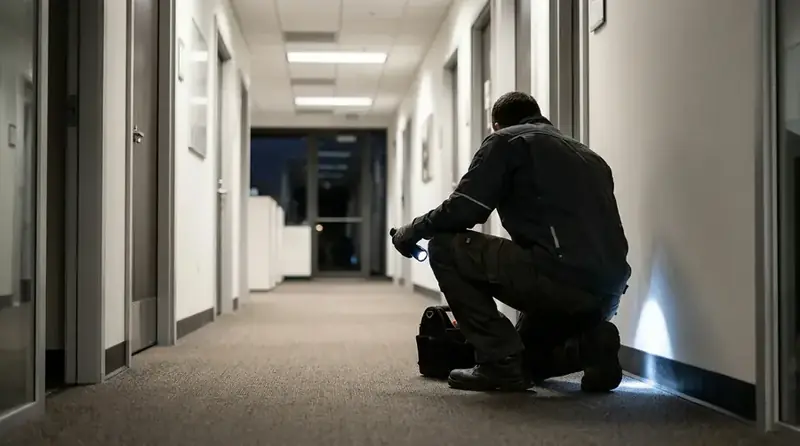
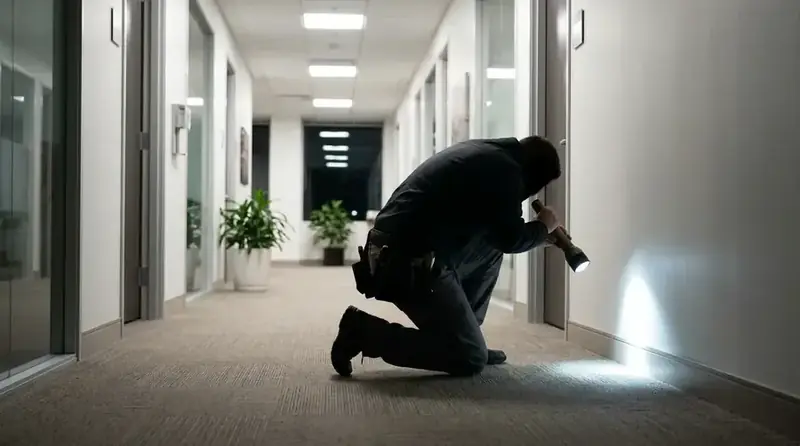
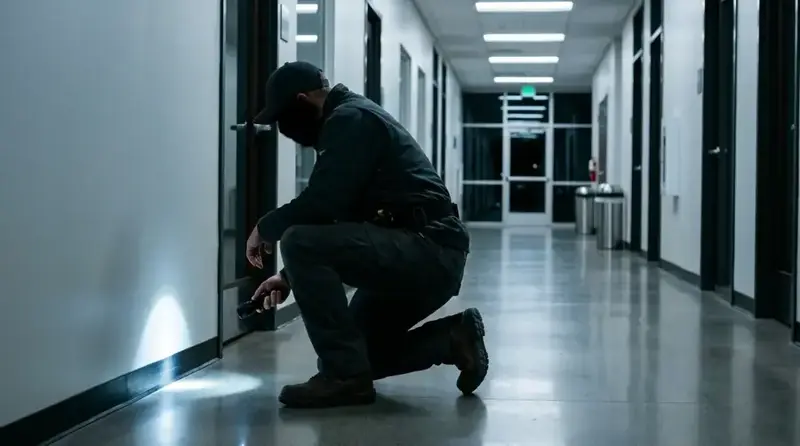
Once a week, lift the hood and look with a flashlight. Once a month, check the cabin air filter and the trunk. After any new droppings, clean, set traps near the car and look for the entry point to the garage. Keep a record of dates and findings. This routine takes minutes and prevents repair bills. It also tells you early when rodent pressure rises around the property, so you can act before they reach the house. Tell family members who use the car to report droppings or odd smells right away, and keep a small flashlight in the garage for quick checks.
Garages that connect to the house
A rodent that nests in a car can reach the house through the door between garage and kitchen. Fit a tight door sweep, seal gaps around pipes, keep the interior door closed and inspect the area monthly. Treat any sign in the garage as a sign for the whole building, and ask for an inspection that covers both.
Frequently Asked Questions
Do mice chew car wires?
Yes. Mice and rats both chew wiring harnesses and hoses.
Does insurance cover it?
Comprehensive coverage often covers rodent damage. Check your policy.
Do repellents work?
They may help a little, but sealing and sanitation are more reliable.
Can I drive with a nest under the hood?
Remove it first. Nests can catch fire.