How to Get Rid of Mice: A Step by Step Plan
Getting rid of mice takes four steps in the right order: confirm where they are, remove them with traps, seal how they got in, and clean up. Skip the sealing and new mice simply replace the ones you caught.
- Step 1: Confirm where the mice are
- Step 2: Trap them
- Step 3: Seal every way in
- Step 4: Remove food and shelter
- Step 5: Clean up safely
- Why do-it-yourself sometimes fails
- Mistakes that keep the problem alive
- How long it takes and what it costs
- Signs the job is finished
- A one week plan
- Why the gaps matter more than the traps
- Myths and facts
- Apartments and shared walls
- How to tell how many mice you have
- Where mice nest in a house
- Traps versus bait versus professional help
- What to do with trapped mice
- Costs you can expect
Step 1: Confirm where the mice are
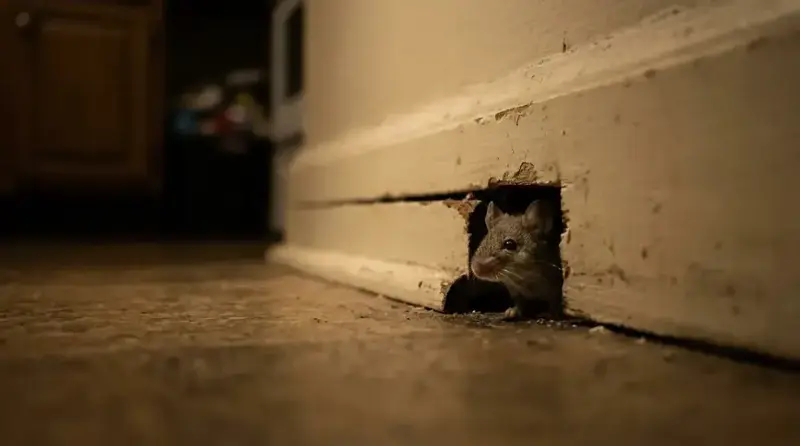
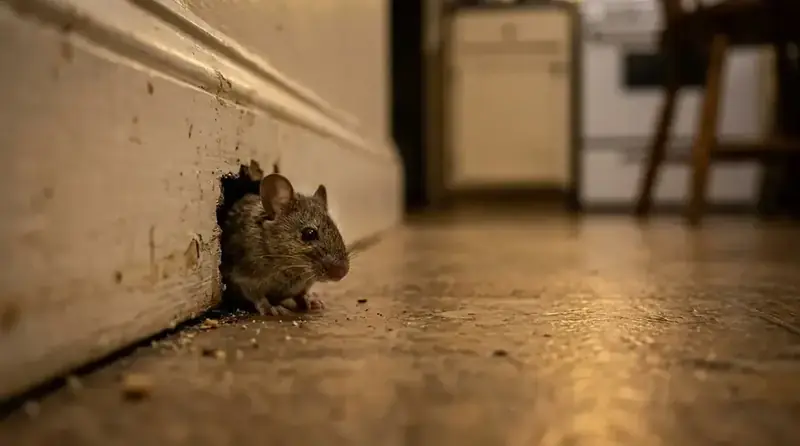
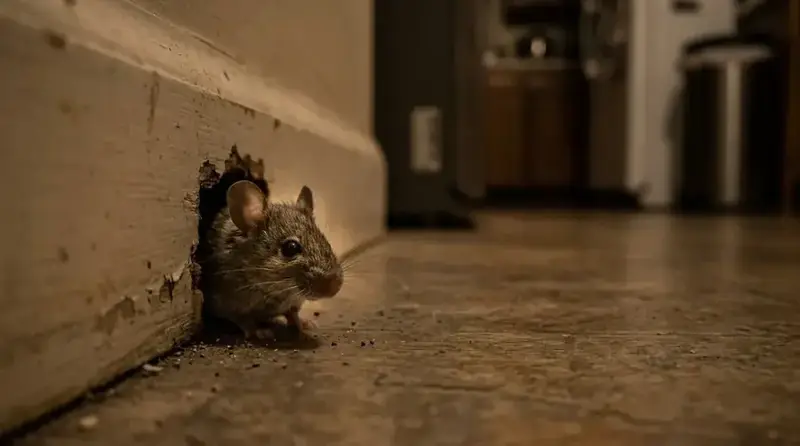
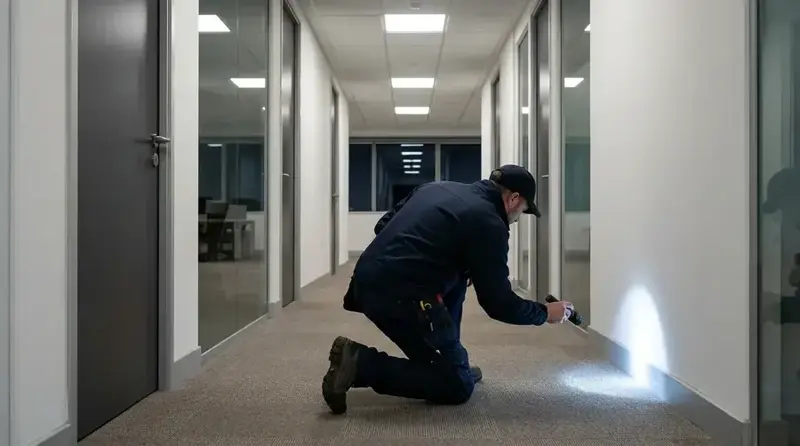
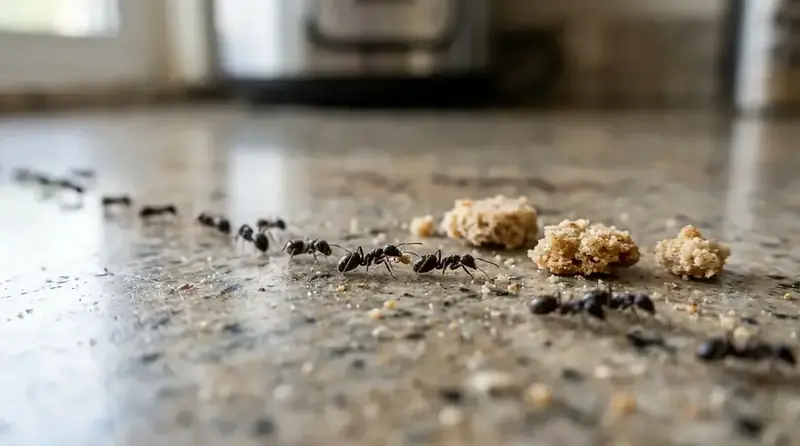
Look for droppings that resemble dark grains of rice, gnaw marks, greasy rub marks along walls, shredded nesting material and scratching at night. Mark each spot with tape. Activity is usually heaviest along walls, behind appliances, under sinks and in cabinets near food. The map you make tells you where traps go and where the openings probably are.
Step 2: Trap them
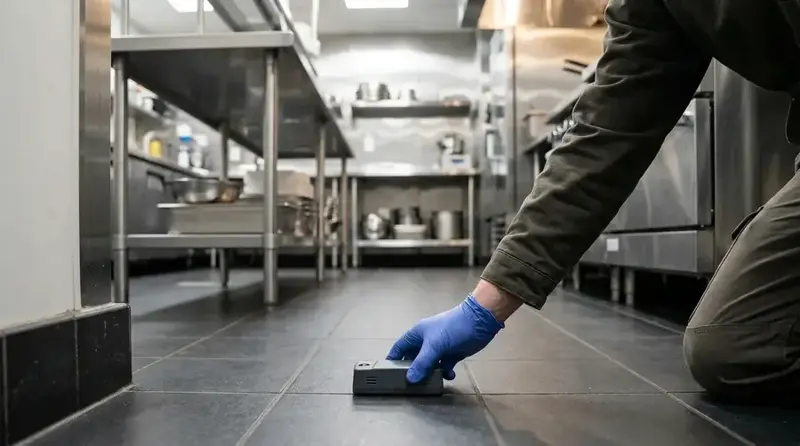
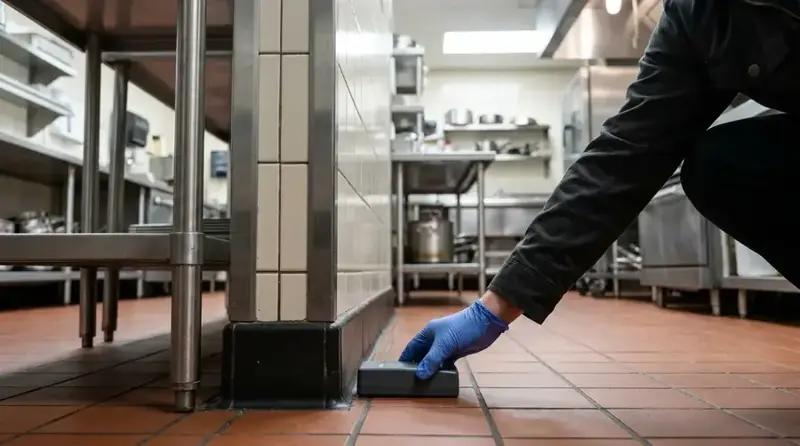
Snap traps are the most reliable tool for a home. Place them against the wall with the trigger end touching the baseboard, because mice run along edges. Use several traps, spaced a few feet apart, since one trap rarely solves a family of mice. A pea sized dab of peanut butter works well. Check traps daily and wear gloves when you dispose of them.

Step 3: Seal every way in
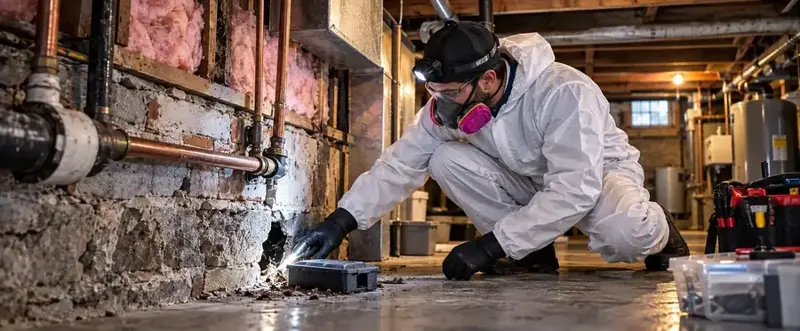
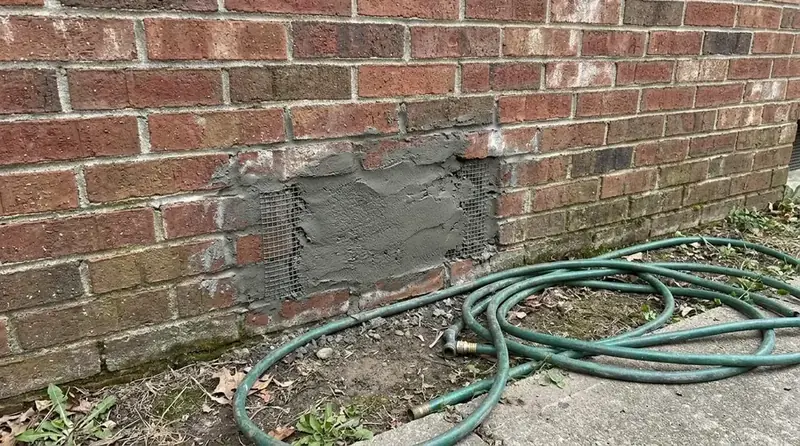
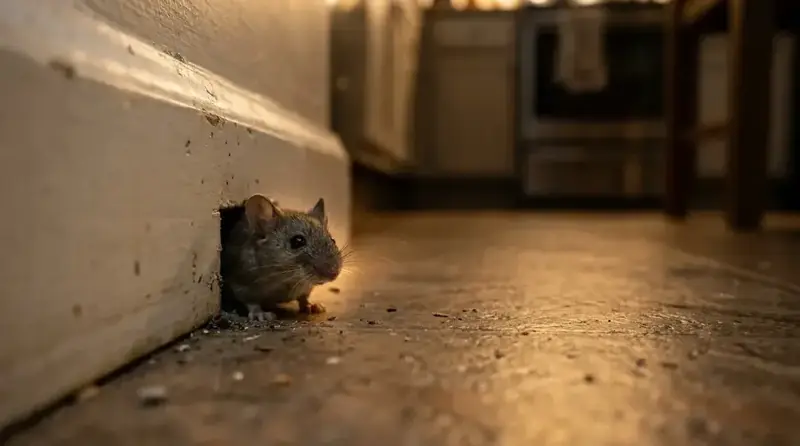
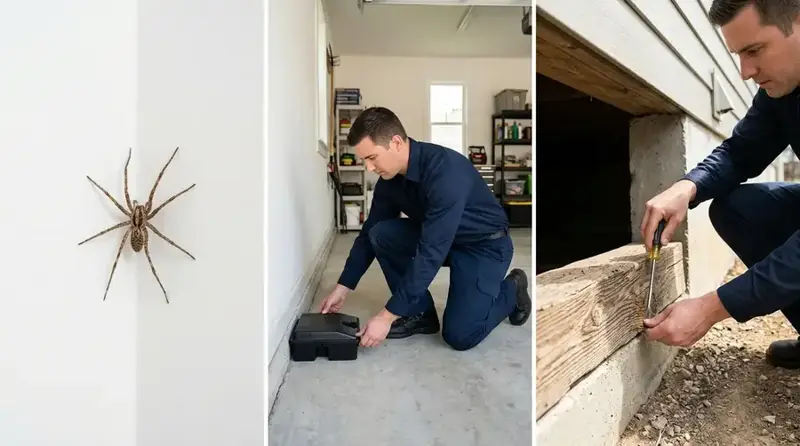
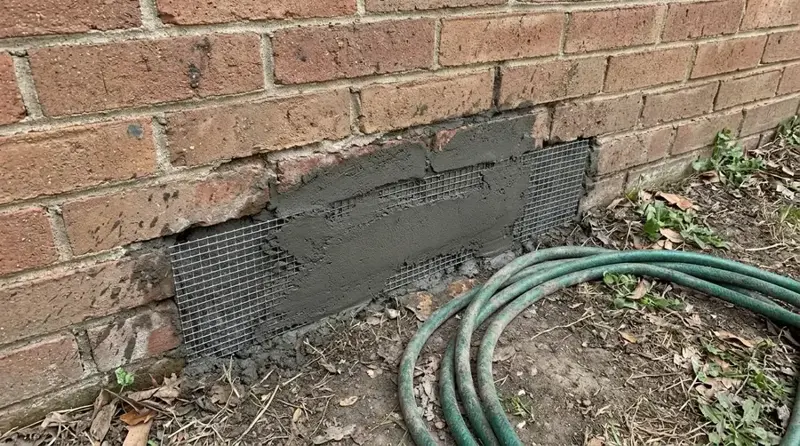
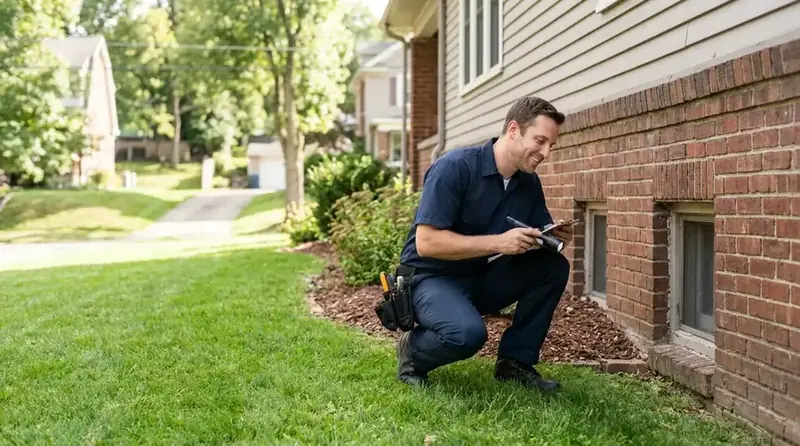
A mouse can fit through a gap about a quarter inch wide, roughly the width of a pencil. Check around pipes, vents, door corners, garage doors and the foundation. Fill small gaps with steel wool pushed in tight and cover it with caulk or cement, and use sheet metal or hardware cloth for larger holes. Rodents chew soft materials, so foam alone fails.
Step 4: Remove food and shelter
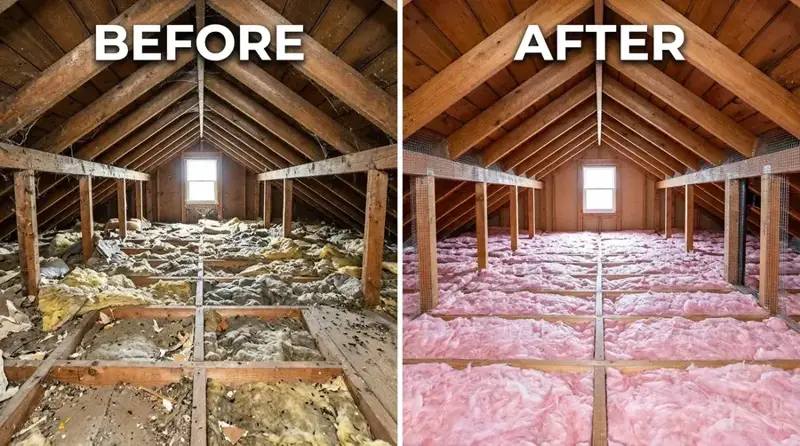
Store pantry food, pet food and birdseed in sealed containers. Take out trash often, fix leaks and keep cardboard and clutter off the floor. Mice only stay where they find food, water and a safe place to nest, and taking those away makes your trapping work faster.
Step 5: Clean up safely
Do not sweep or vacuum dry droppings. Ventilate the room, wear gloves, spray droppings with disinfectant, wait five minutes and wipe with paper towels. Bag the waste and wash your hands. See our guides on hantavirus and droppings cleanup for more detail.
Why do-it-yourself sometimes fails
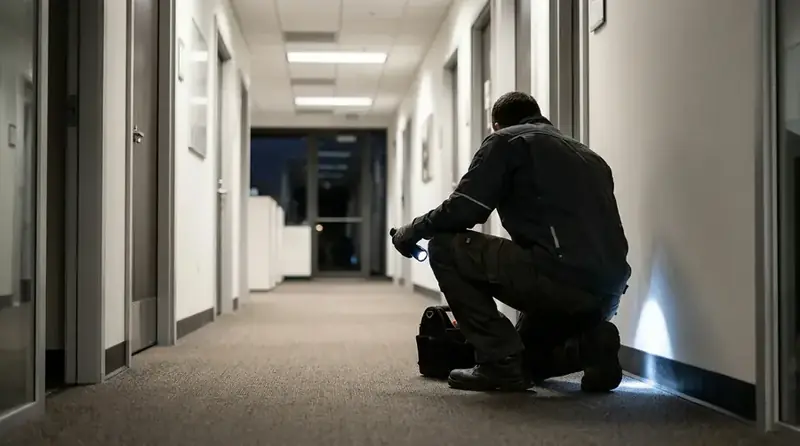
If you catch mice for weeks and more keep coming, there is likely an entry point you have not found or a population inside walls. A professional inspection finds the gaps, places traps where mice travel and confirms results with a follow up visit.
Mistakes that keep the problem alive
The most common error is trapping without sealing. A second is setting one or two traps and expecting a family of mice to disappear. Others include using bait where pets can reach it, leaving pet food out overnight, and sealing a hole while mice are still inside the wall. Finally, many people stop trapping the moment they catch one animal. Keep traps out for at least a week after the last catch and check for new droppings before you call the job done.
How long it takes and what it costs
With enough traps and sealed gaps, most mouse problems calm down in one to two weeks. A professional visit, with inspection, trapping, sealing and a follow up, commonly costs more than a box of traps but saves time when entry points are hidden. Ask for a written quote that lists the number of visits and what the sealing includes.
Signs the job is finished
No fresh droppings for two weeks, no new gnaw marks, no scratching at night, and untouched bait or traps. Check behind appliances and inside cabinets, and do a final inspection of the exterior for new gaps after the first cold snap.
A one week plan
Day one: store food, set six or more traps along walls and mark activity. Day two to three: check traps morning and evening, reset, and note where mice are caught. Day four: walk the exterior and the basement and seal gaps larger than a pencil. Day five to seven: keep trapping, clean droppings and wipe surfaces. After the first week, if nothing new is caught and no droppings appear, remove most traps but keep two or three in place for another two weeks as a safety net.
Why the gaps matter more than the traps
Traps remove the mice that are inside today. Gaps decide how many more arrive tomorrow. A house with a hidden gap behind the dishwasher or around a pipe can lose ten mice and still have ten more outside waiting. Time spent finding and sealing the opening usually saves more than any trap upgrade.
Myths and facts
Myth: one mouse is nothing to worry about. Fact: mice breed all year and a single female can have several litters annually. Myth: cats solve it. Fact: cats catch some mice but do not remove a nest in a wall. Myth: if you do not see them, they are gone. Fact: mice are nocturnal and hide well, so droppings and noises are the real evidence.
Apartments and shared walls
In multi unit buildings, mice travel along pipes and wall voids between units. Trapping in one apartment only moves the pressure next door. Tell your landlord, document with photos and dates, and ask for a building wide inspection. A written service record also helps if you need to escalate with local housing or health authorities.
How to tell how many mice you have
Count is hard, but clues help. Fresh droppings in three or more rooms, grease trails on several walls, and noise in different parts of the house suggest a group rather than a lone animal. A single mouse usually leaves a small, concentrated pile of droppings in one or two places. A family leaves scattered droppings, nests in hidden spots such as behind a refrigerator or inside an unused drawer, and a musty smell that builds over days. The more spread out the evidence, the more traps and sealing work you should plan for.
Where mice nest in a house
Mice build nests from paper, fabric, insulation and cardboard. Look in quiet, warm places close to food: behind kitchen appliances, in the back of cupboards, inside boxes in a garage or basement, in wall voids near heat sources, and above drop ceilings. Torn paper in a corner or a ball of shredded fabric in a drawer is almost always a nest. Remove nests with gloves and a mask once you have trapped the adults, and bag them before disposal.
Traps versus bait versus professional help
Snap and electronic traps give you proof of results and no hidden dead animals. Bait stations used by trained staff can help with larger problems but carry risk to pets and children. Professional help makes the most sense when you cannot find the entry points, when you rent or manage a multi unit building, when there are infants or immunocompromised people in the home, or when you have tried traps for two weeks without lasting results. Whichever route you choose, sealing is the step that makes it permanent.
What to do with trapped mice
Wear gloves, lift the trap and place the mouse in a plastic bag. Seal and put it in an outdoor trash bin with a lid. Spray the trap area with disinfectant and wash your hands with soap and water. If you must handle several, change gloves between traps. Never touch dead rodents with bare hands, and keep children and pets away while you work.
Costs you can expect
A do it yourself approach usually costs the price of several traps, steel mesh and sealant. Professional mouse control commonly costs more up front but includes inspection, expert sealing and a follow up, and may be the only way to find hard to reach openings. Ask for a written quote that lists the number of visits and the sealing included.
Frequently Asked Questions
How long does it take to get rid of mice?
Small problems often clear in one to two weeks. Larger ones can take several weeks with follow up checks.
Do mice leave on their own?
Rarely. If food and shelter are available, they stay and breed.
Are glue traps a good idea?
Many pros avoid them. They can hold animals for hours and are not an ideal choice. Snap traps are quicker and more controlled.