Brownstone Rodent Control
Cellars, areaways, foundations and old masonry.
A townhouse shares walls with neighbors and often has a rear yard, which means activity can come from the side as well as the ground.
Short answerTownhouse rodent control checks the party walls, rear yard, cellar or garden level, doors and pipe openings. Because neighbors share walls, coordinating with adjoining owners often affects how long results last.
Rodents move along shared walls and utility runs. In the rear yard, garbage storage, planting and cracks in paving offer shelter and burrow sites. Note where activity appears and whether neighbors report similar signs.
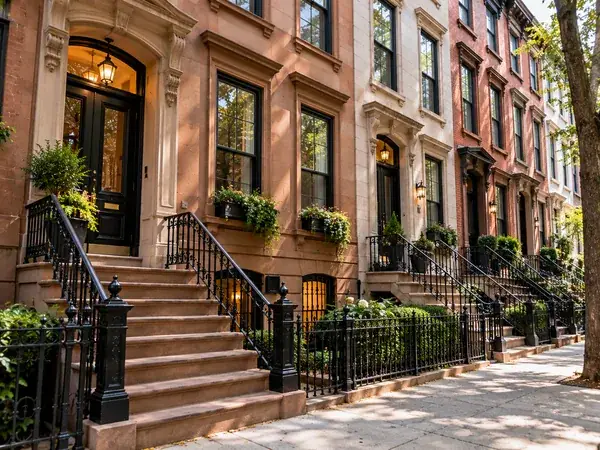
A townhouse stoop and entry are only part of the picture. What matters as much is the party wall on either side, since activity can move in from a neighbor regardless of how well your own unit is sealed.
Garden level doors, pipe and utility openings, vents, trash storage and the boundary between yard and house. Older townhouses may have layered repairs that hide gaps.
Inspection, control of animals present, exclusion and monitoring. See entry point sealing and prevention.
Not sure what you are dealing with? An inspection finds the source and sets the scope.
Common routes are cracks in the foundation, gaps around pipes and utility lines, cellar doors that do not seal, areaway drains and openings where the building meets the sidewalk. Older masonry settles, and past repairs often left gaps. A rat needs far less room than most owners expect, so the inspection looks at the whole ground line, not one wall.
Food, water, shelter and safe ways to move around. In practice that means garbage that is not in sealed containers, clutter and stored materials against walls, overgrown planting, and cracks or holes in foundations, sidewalks and doors. Removing those conditions makes a property less attractive, but rats already present still need to be dealt with.
Cellars, areaways, foundations and old masonry.
Finding and closing the openings rodents use.
Activity that keeps coming back usually means the source or the entry route is still open. More traps do not fix that. An inspection looks for where they are getting in and what is drawing them.