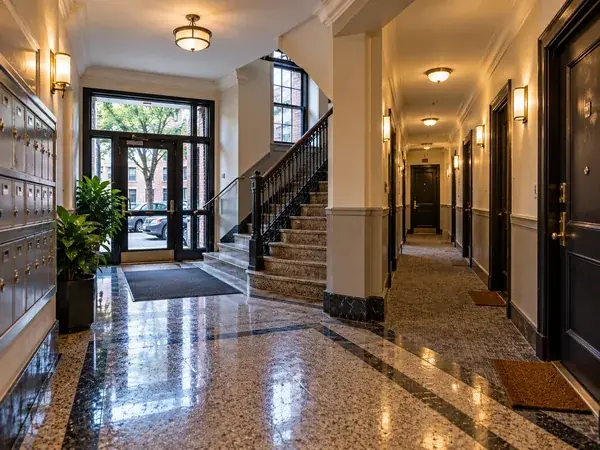
Apartment Rodent Control
Mice, shared walls, pipe chases and what tenants can do.
Different buildings fail in different ways. The plan follows the property.
A brownstone cellar, a fifth floor apartment and a detached house fail in different ways. The plan follows the building.
Mice, shared walls, pipe chases and what tenants can do.

Cellars, areaways, foundations and old masonry.

Party walls, rear yards and garden levels.
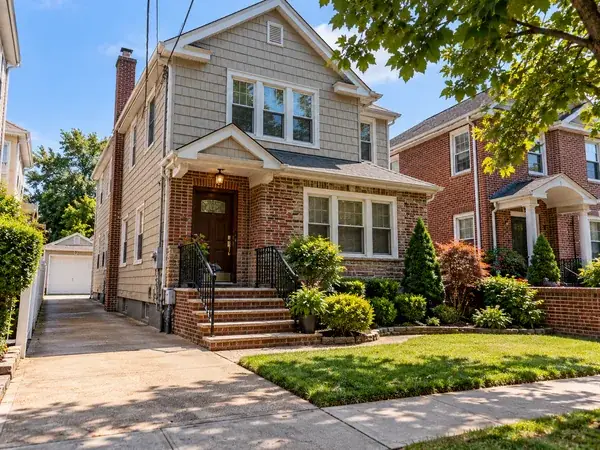
Detached homes, garages, yards and crawl spaces.

Common areas, supers and building wide plans.

Unit owner and board responsibilities.

Proprietary lease, board rules and shareholders.
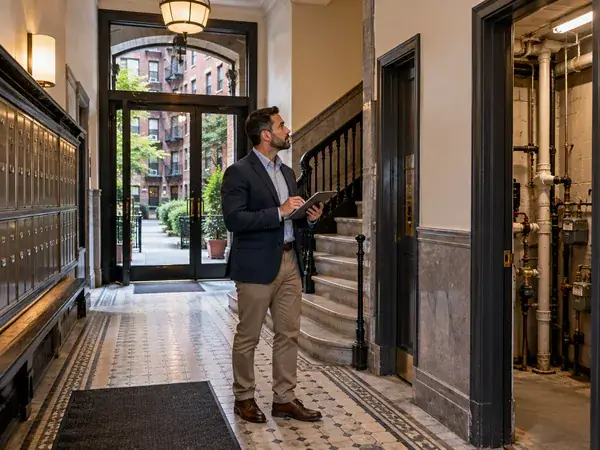
Findings, records and plans for managers.
Different food, waste and delivery patterns mean different places rodents hide.
Inspection, records and control for businesses.

Kitchens, back doors, waste and deliveries.

Stock rooms, deliveries and shared walls.
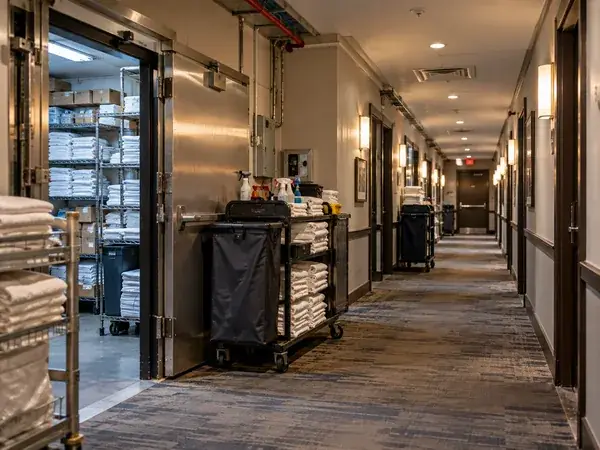
Guest rooms, kitchens and back of house.
Break rooms, storage and shared spaces.

Docks, pallets and perimeter monitoring.

Stockrooms, back doors and shared walls.
Not sure what you are dealing with? An inspection finds the source and sets the scope.
Call when you see droppings, gnaw marks, a live rodent in daylight, or hear regular scratching in walls or ceilings. Activity that continues after you set a few traps, or comes back after a treatment, is the clearest sign that the entry route has not been found. Food businesses should call at the first sign.
It depends on what the inspection finds. Price follows the species, how far activity has spread, how many entry points need work, how hard the building is to reach, how much cleanup is involved and how many visits the job needs. A single mouse in a studio and a rat problem behind a multifamily building are different jobs, so a flat number would mislead you.
Every rat and mouse service we list.
Where we work.
Activity that keeps coming back usually means the source or the entry route is still open. More traps do not fix that. An inspection looks for where they are getting in and what is drawing them.