Rat Control
Burrows, droppings, garbage and ground line problems.
Detached homes have more exterior to protect, plus garages, sheds, yards and crawl spaces.
Short answerHouse rodent control covers the whole exterior: foundation, doors, vents, roofline, garage and yard, plus attics, basements and crawl spaces inside. Rodents can come from the yard, from neighboring properties or from stored materials.
Vents, roof and soffit edges, foundation cracks, garage doors, utility lines and gaps around windows and doors. Yards add garbage storage, bird feed, planting and woodpiles to the list.
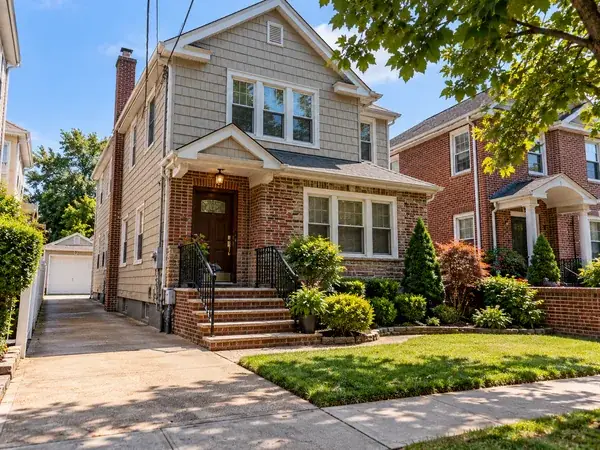
A detached house has far more perimeter than an apartment. The driveway, garage and yard all add openings and shelter that a building inspection has to cover along with the basement and attic.
Basements, attics, crawl spaces, garages and storage areas. Signs include droppings, gnawing, nests and noises overhead or in walls.
Owners of a home with no tenants may place bait themselves, but the Health Department recommends professionals. See rat control and mouse control.
Not sure what you are dealing with? An inspection finds the source and sets the scope.
A homeowner with no tenants can place bait, but the Health Department recommends leaving it to professionals, and poisons that kill rats should be applied by an NYS licensed pest management professional. Owners of commercial and multi unit properties are legally required to hire one. Do it yourself work also tends to skip the entry points, which is why problems return.
Food, water, shelter and safe ways to move around. In practice that means garbage that is not in sealed containers, clutter and stored materials against walls, overgrown planting, and cracks or holes in foundations, sidewalks and doors. Removing those conditions makes a property less attractive, but rats already present still need to be dealt with.
Burrows, droppings, garbage and ground line problems.
Apartments, kitchens, pipes and shared walls.
Preventive protection for vulnerable areas.
Activity that keeps coming back usually means the source or the entry route is still open. More traps do not fix that. An inspection looks for where they are getting in and what is drawing them.