Restaurant Pest Control
Kitchens, back doors, waste and deliveries.
Bodegas run long hours in a small footprint, and many prepare food on site, which puts pest control closer to a food safety issue than a general retail one.
Short answerBodega pest control covers a small, densely packed space that often combines grocery shelving with a deli or hot food counter. That food prep element, long or near round the clock hours, and tight stock rooms make the priorities closer to a small restaurant than a typical store.
A bodega usually packs grocery, deli and prepared food into a small footprint, with a stock room doing double duty for both dry goods and food supplies. Long operating hours mean less downtime for inspection and service work, and cardboard delivery stock is often stacked close to walls simply because there is nowhere else to put it.
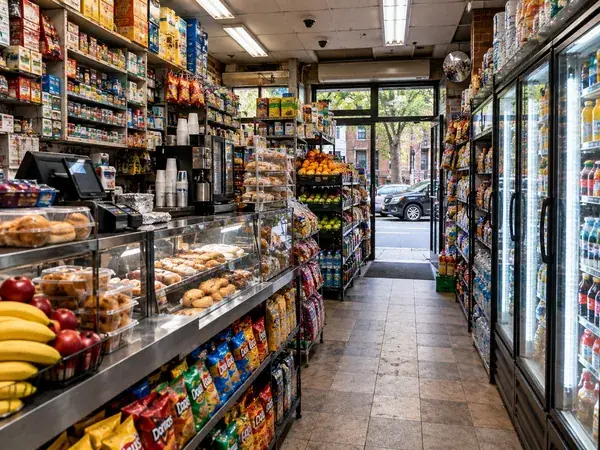
Grocery, deli and prepared food often share the same tight footprint, so the stock room ends up doing double duty and the inspection has to cover both sides of the business.
Cardboard stock against walls, gaps at back and cellar doors, floor drains, pipe openings in stock rooms, and garbage storage near the entrance where deliveries and trash both pass through the same tight space.
Keep stock off the floor and away from walls, store food and deli supplies in sealed containers, break down cartons quickly and keep waste sealed and away from the entrance.
Inspect the whole space including any food prep or deli area, control what is present, close entry points and set up monitoring that fits hours that rarely stop. See restaurant pest control for the food prep side, and commercial rodent control for the general approach.
Not sure what you are dealing with? An inspection finds the source and sets the scope.
Keep dated records of every inspection and service visit, what was found, where, what was done, and what still needs correcting. Photos help. A clear paper trail shows that problems are noticed and handled, and it gives your provider the history needed to spot patterns. Check what your own permits and inspections require.
Food, water, shelter and safe ways to move around. In practice that means garbage that is not in sealed containers, clutter and stored materials against walls, overgrown planting, and cracks or holes in foundations, sidewalks and doors. Removing those conditions makes a property less attractive, but rats already present still need to be dealt with.
Stop food handling in the affected area, protect food and food contact surfaces, and photograph what you found with the date and location. Do not just wipe it up and carry on. Get an inspection to find where the activity comes from, then clean with proper precautions and keep dated records of each step you take.
Kitchens, back doors, waste and deliveries.
Inspection, records and control for businesses.
Finding and closing the openings rodents use.
Activity that keeps coming back usually means the source or the entry route is still open. More traps do not fix that. An inspection looks for where they are getting in and what is drawing them.