NYC Landlord Pest Guide
Owner duties in plain language.
In a multifamily building, one plan for the whole building beats separate treatments in each unit.
Short answerMultifamily pest control works from the building outward: common areas, basements, trash rooms, risers and units. Owners of multiple dwellings have inspection and response duties for pests, and owners of multi unit properties are legally required to hire a pest management professional for rat work.
Trash rooms, basements, boiler rooms and utility chases connect units. Activity found in apartments often traces back to these shared spaces. Superintendents and managers know where residents report problems, which speeds up inspection.
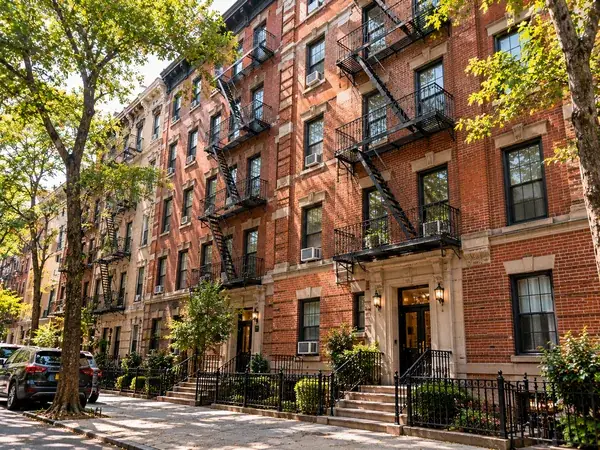
A multifamily building works best with one plan for the whole structure rather than separate treatments unit by unit, since trash rooms, risers and basements connect every apartment.
Owners of buildings with three or more apartments must inspect apartments for pests every year, respond to complaints and keep vacant apartments free of pests, according to HPD. The Health Department requires owners to keep properties free of rats and to hire a professional for multi unit properties. See the landlord guide.
Keep dated records of complaints, inspections, findings and work done. They make repeat problems easier to trace.
Not sure what you are dealing with? An inspection finds the source and sets the scope.
Owners must keep their properties free of rats and address conditions that support them, and may need to hire a pest management professional. Owners of buildings with three or more apartments must also inspect apartments each year for pests and mold, respond to complaints, and keep vacant apartments free of pests. Commercial and multi unit owners are required to hire a professional.
Attached buildings share wall voids, pipe chases, risers, trash areas and basements. Mice use those as travel routes, so treating one unit can push activity next door and back again. Lasting results in multifamily buildings usually depend on inspecting common areas and coordinating with the owner or manager, not treating a single apartment in isolation.
Usually because the way in was never closed, or because a neighboring unit or the basement keeps supplying new mice. Trapping removes the animals you have. It does not change the openings, the food access or the shared walls that brought them. Recurrence is a signal to inspect again, not to add more traps.
Owner duties in plain language.
Findings, records and plans for managers.
Apartments, kitchens, pipes and shared walls.
Activity that keeps coming back usually means the source or the entry route is still open. More traps do not fix that. An inspection looks for where they are getting in and what is drawing them.