Pipe and Utility Gaps
Where lines pass through walls and floors under sinks and behind stoves.
If mice keep showing up after traps, the next question is not how many more traps you need. It is where they are getting in and whether the next apartment is feeding them.
Short answerMouse control in NYC means inspecting for the routes mice use, trapping the ones inside, sealing pipe gaps and other openings, and cleaning up. Trapping alone rarely holds, because the entry route and neighboring units keep supplying new mice.
Mice are small enough to use openings most people would never notice, and they rarely stay in one spot.
Where lines pass through walls and floors under sinks and behind stoves.
Warm, quiet and close to food. Gaps behind them are easy to miss.
Mice travel inside walls and pop out where a gap exists.
Gaps under entry, basement and service doors.
Trash rooms, basements, risers and neighboring units.
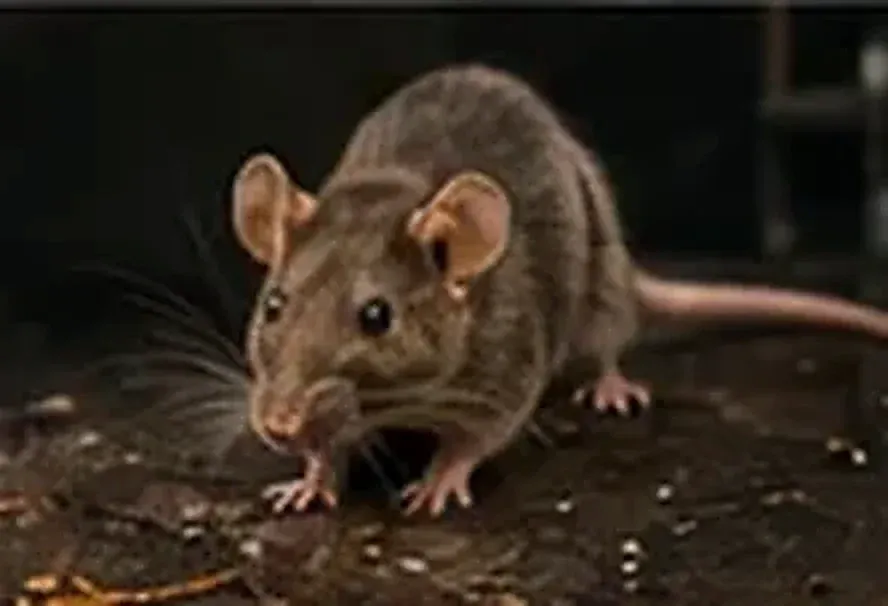
Small droppings that look like grains of rice are the most common sign, often along walls, in drawers and behind appliances. Other signs are gnaw marks on packaging and wood, shredded nesting material, scratching in walls at night, greasy rub marks along baseboards and a stale, musty smell. Noise alone is not proof, since pipes and settling make noise too.
Mice come back for two reasons, and traps solve neither. The first is an open route. If the pipe gap, door gap or wall opening stays, new mice use it. The second is the building itself. In attached and multifamily buildings, mice move between units through shared walls and chases. Clear one apartment and activity can drift back from the next.
That is why the plan pairs trapping with exclusion, and why multifamily work holds up better when the owner or manager is involved. Read why mice keep coming back for the signs to watch after service.
In most NYC rentals the property owner is responsible for pests. For buildings with three or more apartments, owners must inspect for pests each year and respond to complaints under Local Law 55. Write to your landlord or managing agent, keep a dated copy, and use 311 if nothing happens.
Avoid sealing holes you have not inspected. Mice still inside can be trapped in the wall and cause a dead animal odor. See the tenant guide and dead rodent removal.
Not sure what you are dealing with? An inspection finds the source and sets the scope.
Mice need very little: a gap about the width of a pencil, a little food and a quiet place to nest. In apartment buildings they travel through wall voids, pipe sleeves and shared utility chases, so the opening may be in a neighbor's unit or the basement rather than yours. Finding the route matters more than adding more traps.
Usually because the way in was never closed, or because a neighboring unit or the basement keeps supplying new mice. Trapping removes the animals you have. It does not change the openings, the food access or the shared walls that brought them. Recurrence is a signal to inspect again, not to add more traps.
Sealing stops mice from using the openings you closed, but only if every route is found and the material holds. Mice already inside must be trapped or removed first, or they stay sealed in with you. Sealing without an inspection tends to miss gaps behind appliances, inside wall voids and around pipe sleeves.
Attached buildings share wall voids, pipe chases, risers, trash areas and basements. Mice use those as travel routes, so treating one unit can push activity next door and back again. Lasting results in multifamily buildings usually depend on inspecting common areas and coordinating with the owner or manager, not treating a single apartment in isolation.
Scratching, scurrying or gnawing that gets louder at night often points to mice or rats. Pipes, settling and other animals can make noise too. Heavy thumping in the daytime may suggest a larger animal, which is outside our rodent work. Noting when and where you hear it helps an inspector narrow down the source.
Tell the provider about pets and children before any work starts, because trap and station placement should be chosen around them. Products should sit in tamper resistant stations or in places pets and children cannot reach. If a pet may have eaten something, call your vet right away. For a suspected poisoning, the Health Department lists the Poison Center at 212-764-7667, a separate City health line, not NYC Rodent Control's number.
Finding and closing the openings rodents use.
Where every rodent job starts.
Mice, shared walls, pipe chases and what tenants can do.
How to tell them apart.
What they look like and how to clean up safely.
Activity that keeps coming back usually means the source or the entry route is still open. More traps do not fix that. An inspection looks for where they are getting in and what is drawing them.