7:00 AM to 1:00 AM ET, Every Day Calls answered 7 AM to 1 AM ET 347-795-3007

Sources and Editorial Standards

We write about rules that affect real people, so we keep the claims narrow and point to where they come from.
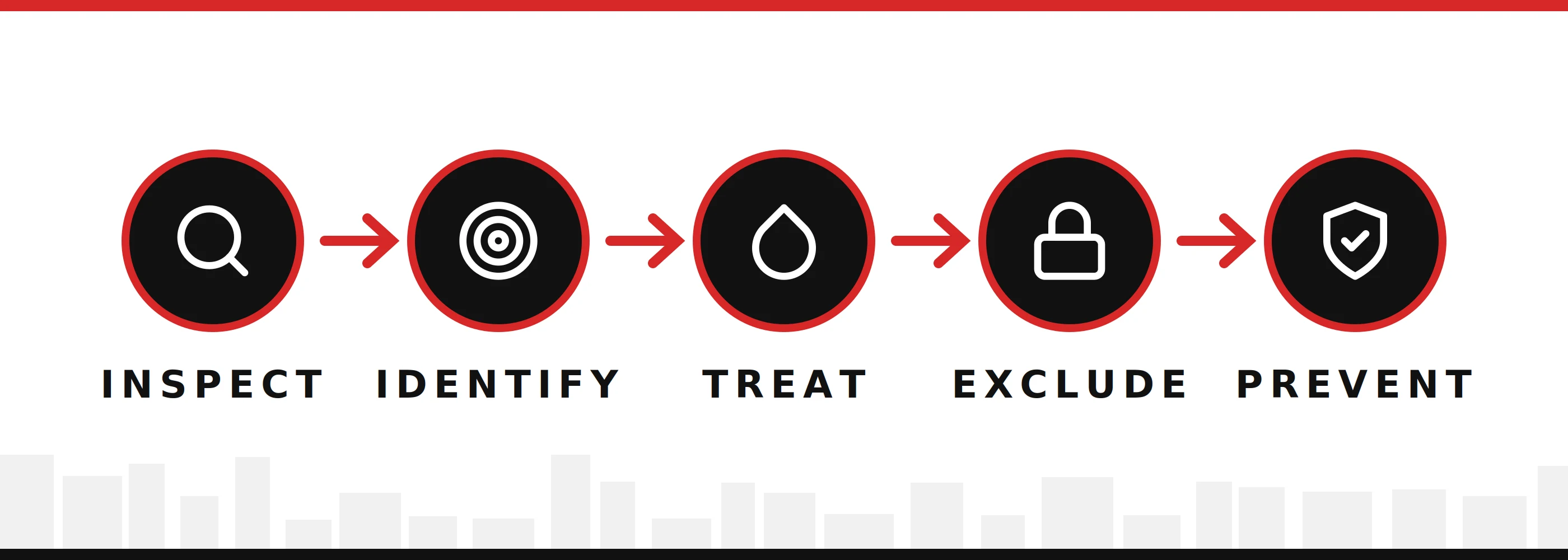
How our rodent control guidance is sourced

How we write

  • City rules, deadlines and penalties are taken from NYC agency pages and the New York City Rules, and we link them.
  • Where rules change, we tell you to check the source for the latest wording.
  • Treatment and sealing advice comes from field work in NYC buildings and from integrated pest management practice.
  • Our guides are general information. They are not legal advice.

Public sources we use

Guides that use these sources

Spotted something out of date? Email contact@nycrodentcontrol.com and we will review it.

Health and safety basics

Rodents can contaminate food and surfaces and may carry bacteria and parasites. Keep food sealed, wash hands after cleanup, wear gloves when handling droppings, and keep children and pets away from affected areas. If someone in the home has respiratory problems or develops symptoms such as fever or severe stomach illness, contact a doctor. Our health guides explain the main risks and the practical steps to reduce them.

Common questions about working with us

People often ask whether we serve their building type, whether they need to be home, how fast a visit can happen, and what the price will be. Most of these are answered on the service pages and in the FAQ. For anything specific, call 347-795-3007 and describe what you see. A short description and a few photos are usually enough to point you to the right next step.

Local rules and reporting in New York

Rodent problems in NYC sit inside a legal framework. Tenants can report conditions to 311, which can trigger a Health Department or HPD inspection, and owners are responsible for keeping buildings free of pests. Keep copies of any complaint numbers, dates and photos. If your landlord is slow to act, a documented pest report and a written service record from a licensed provider strengthen your position.

What to have ready when you call

A short description of what you saw, where you saw it and when helps us route the visit. Know your building type, the floor or area affected, and whether neighbors have reported similar activity. If you have photos of droppings, gnaw marks or burrows, keep them handy. Tell us about children, pets and anyone with allergies so the plan fits your household.

How we keep this information accurate

Pages are reviewed against public guidance from the NYC Health Department, HPD and the CDC, and against what our crews see in the field each season. Costs are given as ranges because every property is different, and we update them when conditions change. If you spot something that looks outdated, tell us and we will check it.

Where to go next

If you are dealing with an active problem, call 347-795-3007 and describe what you see. If you are researching, the guides cover costs, species, cleanup and tenant rights in more depth, and the service pages explain exactly what each visit includes. Business owners can start with the commercial pages for inspection logs and program structure.

Fast answers to common concerns

Rats in a basement usually mean an exterior burrow or a gap near a pipe or foundation. Mice in a kitchen usually mean an opening behind appliances or under a sink. Noises in walls at night usually mean mice or rats moving along hidden runs. In every case, inspection first is the cheapest way to avoid paying twice.

How to use this page

Start with the section that matches your situation. If you see activity now, go to the service or location page for your area and call. If you are planning ahead or comparing providers, read the guides first so you know what a good inspection, quote and follow up look like. Every page links to related topics, so you can move from a symptom to a cause to a fix without searching again.

What good rodent control includes

Good service has four parts. Inspection finds the species, the activity and the entry points. Exclusion seals the openings with durable materials. Control removes the animals that are already inside. Follow up confirms the problem is gone and keeps it from returning. Skipping any one of these usually means a repeat visit later. Ask each provider how they handle all four, and get the answer in writing.

Species and seasons in the Northeast

Norway rats are the most common rat in New York City and tend to live in burrows, basements and sidewalk gaps. Roof rats are less common but appear in some buildings and trees. House mice are the usual indoor problem and can squeeze through gaps about the width of a pencil. Activity rises in fall as temperatures drop and animals move toward heat, food and shelter, and it stays high through winter in heated buildings.

Related Pages

More Help Near You

Map

Our Brooklyn Office Location

Our base is Unit 9, 66 Greenpoint Ave, Brooklyn NY 11222. Calls are answered 7 AM to 1 AM ET. Open in Google Maps.

Call Now: 347-795-3007